
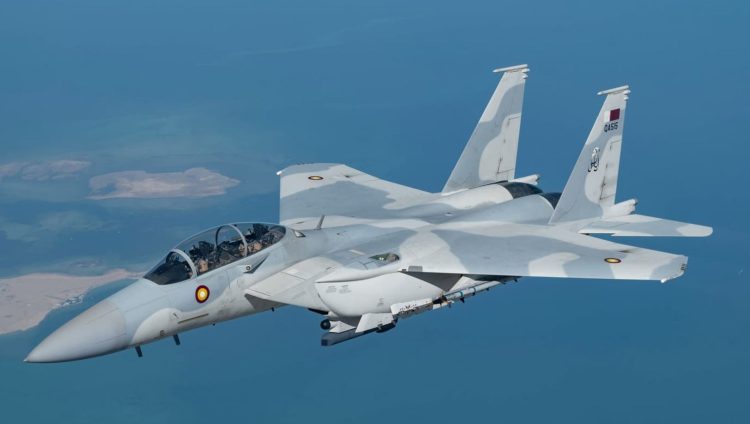
Mountain Home Air Force Base is about to host a new kind of neighbor: a Qatar Emiri Air Force training squadron learning to fly and sustain one of the most sophisticated Eagles on the planet, the F-15QA. Strip away the social-media noise, and the picture gets simple fast. This is not a foreign base in the United States. It is a U.S. Air Force program, on a U.S. Air Force installation, designed to make a key partner smarter, safer, and more lethal in the air.
And in today’s military, lethality is what it’s all about.
Laura Loomer is gonna freak…
The U.S. and Qatar signed an agreement to establish a Qatari Emiri Air Force training facility at Mountain Home Air Force Base, Idaho, for joint training with Qatari F-15 jets and pilots, leveraging Qatar’s role in peace talks and prior defense… pic.twitter.com/3LBJK3LKfU
— MJTruthUltra (@MJTruthUltra) October 10, 2025
How Long Has This Been In The Works?
The roots go back to 2017, when the United States approved a multibillion-dollar Foreign Military Sales package for Qatar that included three dozen F-15QAs and U.S.-based training and support. By early 2022, the Department of the Air Force had completed its environmental assessment for “beddown” of a Qatar-led training squadron at Mountain Home and issued a formal Finding of No Significant Impact. That document envisioned an initial 10-year program and targeted early Fiscal Year 2024 for the start of beddown activities.
Senior Air Force leaders publicly discussed the plan again in March 2023 during a counterpart visit with Qatar’s air chief, noting the value of collocating the training squadron with an existing F-15E wing to build relationships in daily flying and maintenance.
Who Owns The Base And The Facility?
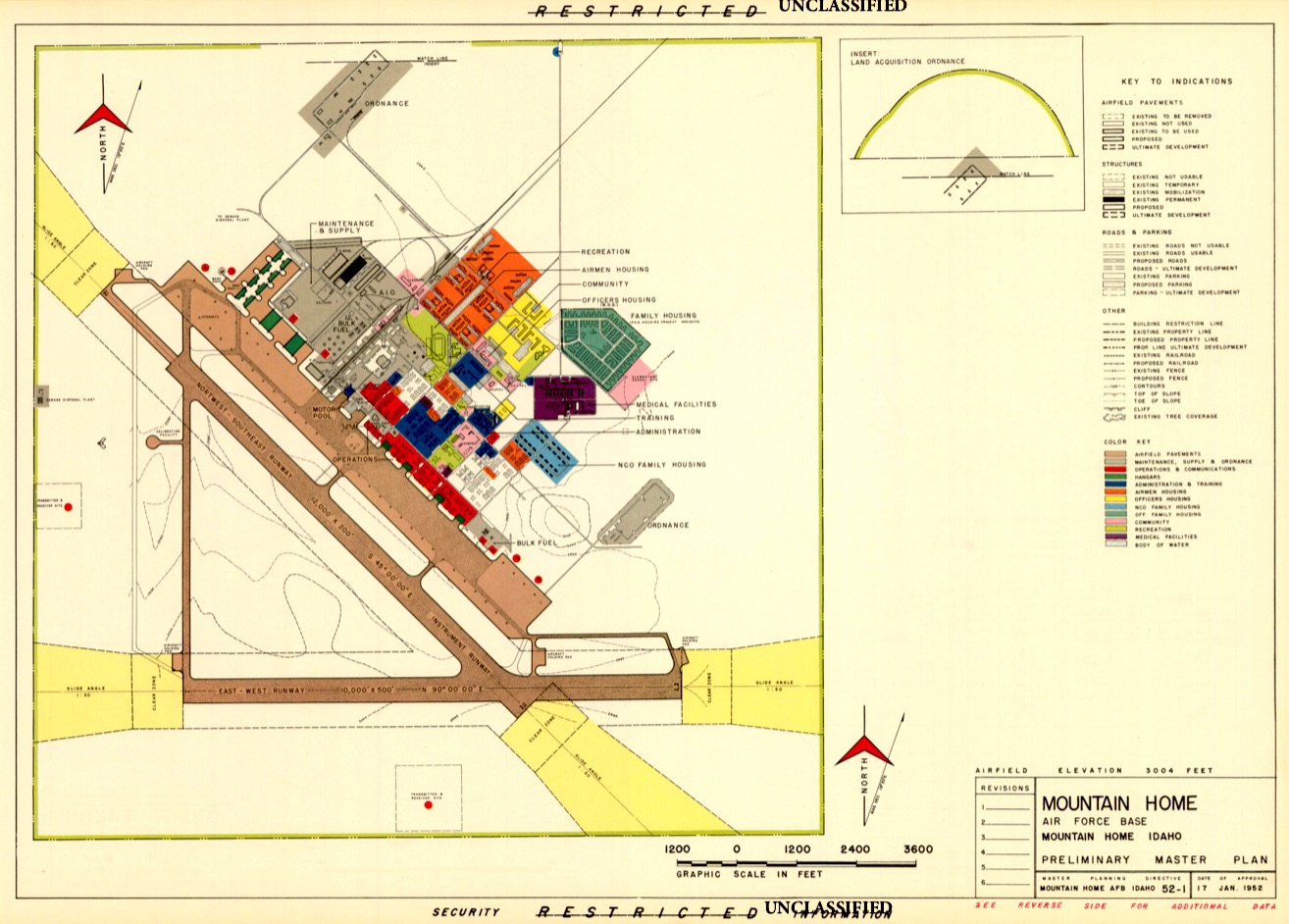
Mountain Home AFB remains a U.S. Air Force installation under the 366th Fighter Wing. The Qatar squadron will operate as a U.S. Air Force-led, integrated fighter squadron that trains and flies from the base, using U.S.-controlled airspace and ranges in southern Idaho. Nothing in the plan turns any portion of the installation into Qatari sovereign ground.
Who Pays For This?
The setup falls under the Foreign Military Sales framework. Qatar’s F-15QA purchase included stateside training, support equipment, and associated infrastructure, which means Qatar funds the training enterprise and related construction through its FMS case. Local Air Force planning documents anticipated hundreds of millions of dollars in facilities work tied to hangars, squadron spaces, maintenance shops, and housing solutions to support the detachment.
What Exactly Will Happen In Idaho?
The beddown plan calls for basing and operating up to 12 F-15QA aircraft at Mountain Home, plus simulators, a squadron operations complex, an aircraft maintenance unit, and a supply warehouse. The Air Force projected roughly 300 additional personnel across Qatari and U.S. ranks to make the mission function. Daily activity includes flight training in special-use airspace and military training routes, defensive countermeasures work, and the kind of integrated maintenance that keeps fourth-plus-generation fighters mission-ready. The initial program is scoped for 10 years with an option to extend.
If you have watched Singapore’s long-running F-15 training at Mountain Home, this will feel familiar. The base was chosen precisely because it already flies F-15Es, owns the space to grow, and sits next to a sprawling training range where instructors can put pilots and weapon system officers through real-world scenarios without burning fuel to get to the fight.
Why It Matters
Qatar hosts the largest contingent of U.S. Airmen in the Middle East at Al Udeid Air Base. Training its F-15QA community in the United States deepens a partnership the Air Force already relies on and gives both air forces more reps together before they see each other downrange. Interoperability is not a buzzword when you share tankers, airspace, and threat pictures. It is a survival skill.
Why This Might Not Be Such A Great Idea After All
Opponents are not imagining Qatar’s messy record. In 2014, the U.S. Treasury’s top counterterror finance official described Qatar as a permissive environment for terror financiers. Several designated Al Qaeda fundraisers lived openly there for years. These are not fringe accusations. They came from U.S. officials and were repeated by independent research groups and analysts who track illicit finance.
Qatar also hosts Hamas political leaders in Doha and has routed large sums into Gaza over the years. Supporters frame this as leverage for mediation. Critics read it as mainstreaming a U.S.-designated terrorist group. The optics are brutal when the same government paying for a schoolhouse in Idaho is also the principal landlord of Hamas leadership.
We don’t have to keep repeating the same mistake. Don’t let anyone tell you it’s okay to train Qataris on U.S. soil when their government bankrolls the world’s leading terrorist groups. The top targets of those groups are our troops, our embassies, and our homeland. The sins of… https://t.co/avLy7dVK7h
— Sarah Adams (@TPASarah) October 11, 2025
Bottom Line
This is a U.S.-run training mission on a U.S. base, paid for by Qatar through the existing F-15QA program. The documents have been public for years, the environmental work is complete, and the plan is to run a decade of hard, realistic training out of southern Idaho.
Like it or not, expect to see Qatari Eagles in the local pattern and at the run-up pads.
What you will not see (thank goodness) is a foreign government owning and operating an American military base.
So, is this a good idea or a really, really bad one?
You tell me. Light up the comments, and we’ll have a respectful discussion about this.








COMMENTS