

The Kremlin’s… pic.twitter.com/RiIxRCEY8S
— Institute for the Study of War (@TheStudyofWar) April 2, 2026
A War of Positions, Not Maneuver
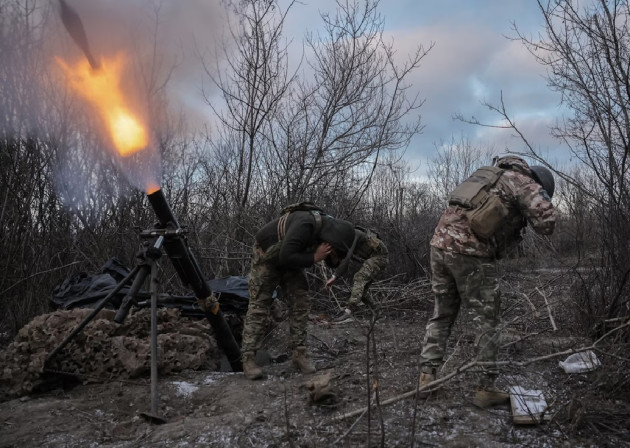
The tactical environment continues to punish concentration. Small-unit assaults dominate. Mechanized pushes occur, but they are limited in scale and often costly. Drones, glide bombs, and artillery shape the battlefield before infantry moves forward. Electronic warfare compresses the space in which both sides can operate effectively.
This produces a specific kind of war. Advances are measured in villages, tree lines, and road junctions. Gains near Pokrovsk or in isolated settlements do not translate into operational momentum unless they accumulate into a broader positional shift. So far, that accumulation has been slow.
ISW’s assessment that Russia is unlikely to seize the entire Fortress Belt in 2026 aligns with what the battlefield is showing. The geometry of the fight favors defense. Russia retains the ability to advance; it does not possess the conditions required to convert those advances into a decisive collapse of Ukrainian lines.
The Southern Disruption
Where your draft needed strengthening was the south.
Ukrainian counterattacks in the Zaporizhzhia and Dnipropetrovsk directions have done more than recover limited ground. They have introduced friction into Russian planning. Advances in the Oleksandrivka and Hulyaipole sectors, while not strategically decisive on their own, have forced Russia to redeploy elements that might otherwise support operations in Donetsk.
That redistribution matters. Russia’s offensive is already constrained by manpower quality and the difficulty of massing forces under constant surveillance and strike. Being forced to shift units south reduces its ability to sustain pressure along the Fortress Belt at the intensity required for meaningful gains.
At the same time, Ukrainian deep strikes into Russian rear areas continue to expand the operational depth of the war. Attacks on oil infrastructure, logistics hubs, and ports are not symbolic. They impose real economic costs and complicate Russia’s ability to sustain the tempo of operations over time.
The southern front, then, is not a secondary theater. It is a mechanism through which Ukraine is shaping the broader campaign by forcing trade-offs on the Russian side.
This is where Ukraine is still playing offense in a meaningful way. Not by seizing large amounts of ground, but by forcing Russia to make choices it does not want to make. Every battalion shifted south is one not grinding forward in Donetsk. Every strike on fuel or logistics stretches timelines that Russia is trying to compress. It is not decisive, but it is disruptive enough to matter in a war where momentum is built slowly and lost even slower.
Constraints That Define the Season
Both sides enter this offensive season under constraint, but the nature of those constraints differs.
For Russia, the primary issue is manpower quality and sustainability. It can still generate forces sufficient to continue offensive operations. Recruitment pipelines remain active, and higher oil revenues have provided short-term fiscal relief. The surge in global energy prices, driven in part by the Iran conflict, has increased Russian revenue and delayed some of the financial pressure that might otherwise constrain the war effort.
That said, money does not solve the core military problem. Units are being replenished, but often with personnel of uneven quality. Losses remain high. The system can sustain pressure; it struggles to generate the kind of concentrated combat power required for decisive operations.
For Ukraine, the constraint is sharper and more immediate. Infantry shortages remain the central problem. Defensive systems can be reinforced with drones, artillery, and engineering, but they still depend on manpower to hold ground. Recruitment challenges, fatigue, and uneven mobilization have created a persistent strain on front-line units.
Material constraints compound this issue. Air defense systems are under pressure, particularly as resources are diverted to other theaters. Financial strain remains significant, with European support uneven and political friction within the EU affecting large-scale funding packages.
Ukraine has offset some of these constraints through adaptation. Drone warfare, both tactical and operational, has allowed it to impose costs disproportionate to its resource base. Deep strikes against Russian infrastructure have added an economic dimension to the conflict that did not exist at the same scale earlier in the war. These adaptations matter, but they do not eliminate the underlying manpower problem.
Diplomacy Follows the Battlefield
The diplomatic track reflects these realities.
Talks continue, but they remain tied to battlefield conditions. Russia’s demands have not shifted in substance. Control over Donetsk remains central. Ceasefire proposals, including the recent Easter initiative, have been rejected or answered with continued strikes.
Ukraine’s position remains anchored in the belief that holding the line preserves leverage. As long as the Fortress Belt remains intact and Ukrainian forces retain the ability to contest Russian advances, there is little incentive to concede territory under pressure.
The likely trajectory is therefore clear. Negotiations will persist, but meaningful movement is unlikely before the outcome of the summer fighting season becomes clearer. Both sides are still attempting to shape the battlefield in ways that will influence any eventual settlement.
What Comes Next
The 2026 offensive season will not be decided by a single operation.
Russia will continue to press along the Donetsk front, with Kostiantynivka and the Lyman axis as key pressure points. The objective is cumulative: to degrade the Fortress Belt, stretch Ukrainian defenses, and force a gradual loss of cohesion rather than a sudden collapse.
Ukraine will continue to trade space selectively while attempting to impose costs elsewhere. Southern counterattacks and deep strikes into Russian rear areas will remain central to this approach. The aim is not simply to hold ground, but to shape the conditions under which Russia is forced to fight.
Nothing about the next phase points to a sudden decision.
Russia will keep pressing in Donetsk, not to break the line in one move, but to wear it down until it stops holding the way it does now. Ukraine will keep trading space where it must and hitting back where it can, trying to make every Russian gain cost more than it is worth.
The outcome will not hinge on terrain alone. It will hinge on endurance.
If Russia can keep feeding the fight without collapsing under its own losses, it will continue to grind forward and slowly improve its position. If Ukraine cannot stabilize its manpower problem, no amount of tactical adaptation will fully compensate for it.
That is the reality setting in after four years. This is no longer a war waiting for a turning point. It is a war testing which side breaks first.








COMMENTS