
Uncontrolled bleeding is still the number one preventable cause of death in combat. That hasn’t changed. Tourniquets changed the game. Hemostatic gauze like QuikClot Combat Gauze changed it again.
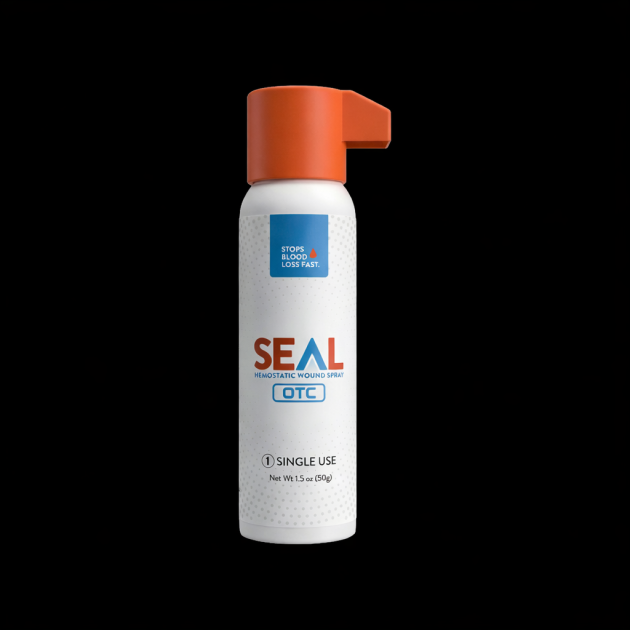
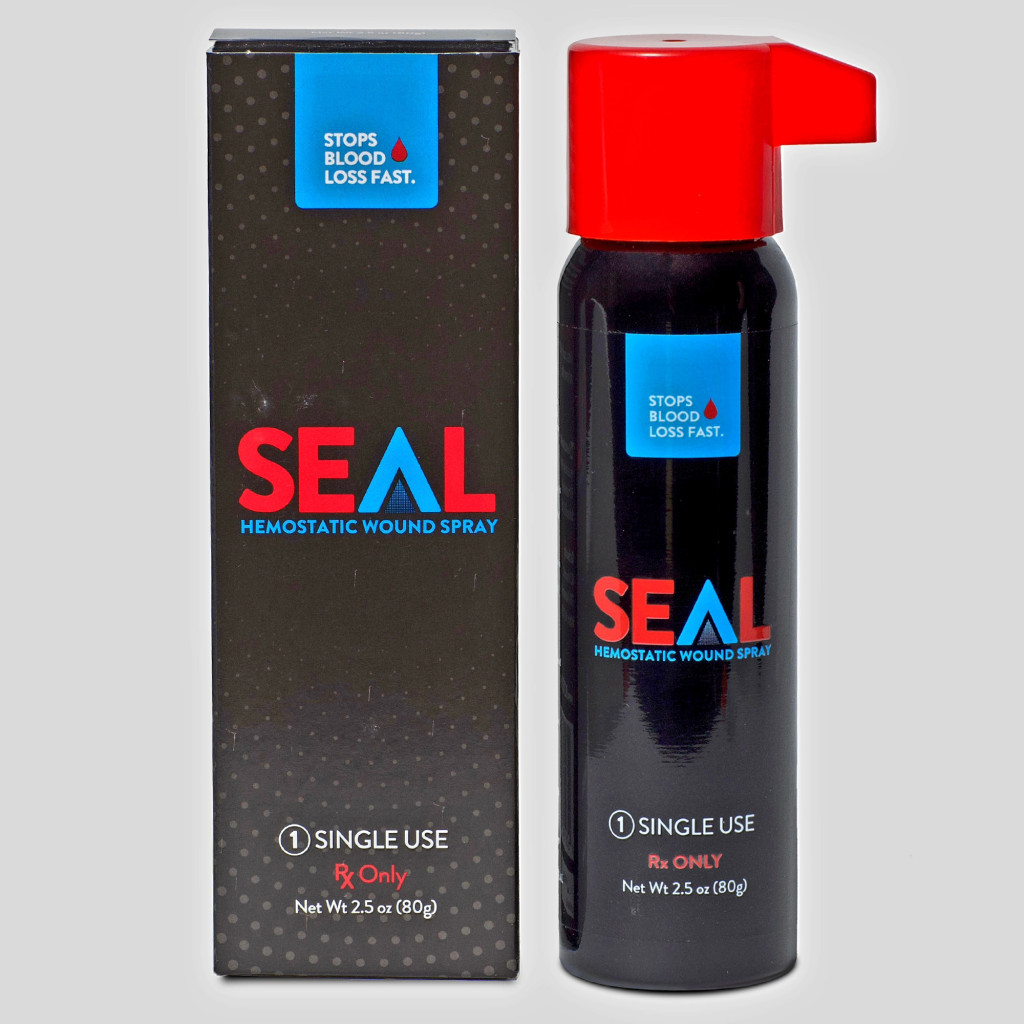
Now there’s another tool for your IFAK: SEAL Hemostatic Wound Spray.
Before we get into how it works, let’s be clear about what it is.
SEAL is not a tourniquet replacement.
It is not a magic fix for a blown femoral.
It does not replace proper wound packing.
What it is, is a fast way to get hemostatic agent onto a wound surface in seconds.
SEAL is made by BC3 Technologies, a Baltimore-based Minority Business Enterprise founded in 2018 by Wayne Grube Jr., along with CRO Dr. Rivelino Montenegro and CSO Dr. Thomas Freier. The company spent roughly twelve years developing an aerosol delivery system for chitosan-based hemostatics before receiving FDA clearance in 2023. In April 2025, the company secured a U.S. patent for its formulation and delivery platform.
I spent a little over an hour on the phone with Wayne Grube, Chris Meyer, and Nicole Halsey from BC3 Technologies.
Wayne, the owner, carved real time out of his day to walk me through how SEAL was developed, the problem it was designed to solve, and the hurdles BC3 had to clear during testing and regulatory approval. We talked science, field application, testing standards, and yes, we bullshitted a bit too. It was one of those calls where you hang up knowing you just got straight answers.
Here is what I found out.
How It Works
The active ingredient is medical-grade chitosan, a polysaccharide derived from deproteinized shellfish shells. When it contacts blood, it binds directly to red blood cells and forms a physical barrier.
It does not rely on the body’s clotting cascade the way kaolin-based products do.
SEAL controls bleeding in seconds and begins forming that mechanical barrier in roughly 30 seconds.
For the obvious question: no, this does not trigger shellfish allergies. The allergenic proteins are removed during processing.
Equally important, SEAL has been tested and shown not to cause systemic clot formation. It reacts locally with red blood cells at the wound site. It does not activate the broader clotting cascade throughout the body.
Deployment
It deploys as a dry-powder aerosol. Hold it six to ten inches away and spray the wound for a five seconds. Then you do what you already know:
Direct pressure. Pressure dressing. Reassess.
TCCC does not change.
Think of SEAL as an initial intervention. You expose the wound, spray it, apply pressure, then secure it with your bandage.
No digging. No immediate packing for surface wounds. No fighting gravity while blood is running everywhere.
Can It Be Used With QuikClot? Yes.
SEAL can be used in conjunction with QuikClot and other hemostatic gauze products.
The spray can be applied rapidly to control surface bleeding. If the wound is deeper and requires packing, traditional hemostatic gauze can still be applied as part of the treatment plan.
These are complementary tools.
If the spray is applied first and the wound is then packed, the act of packing will physically drive the SEAL deeper into the wound cavity along with the gauze.
According to BC3, this can enhance contact with red blood cells while mechanical pressure is applied.
Deep cavity wounds with significant pooling still require proper packing and sustained mechanical tamponade against the bleeding source. Spray alone does not replace that.
And for my Marines out there, no, tamponade doesn’t come with a tiny umbrella. It means pressure directly on the source.
Where It Shines
SEAL works especially well for:
Irregular complex wounds
Shrapnel injuries
Graze wounds
Neck wounds
Multiple small bleeding sites
Situations involving multiple casualties
It also works in wet environments.
The product reacts with red blood cells. It does not react with water.
That means rain, maritime operations, or casualties pulled from water do not degrade its effectiveness. It will not prematurely activate or break down in wet conditions.
For maritime units, riverine operators, and coastal responders, that expands its usefulness.
Environmental Performance
SEAL has been tested under MIL-STD-810H conditions and maintains reliable spray performance from -24°F to 160°F.
It does not freeze solid in extreme cold. It does not degrade into a useless mess in high heat.
Shake it before use and it deploys.
Shelf life is three years. But, for you penny pitchers out there, SEAL doesn’t go bad like Mayonnaise. SEAL does not suddenly fail the day after its expiration date. Performance degrades over time. If an expired can is all you have, you use it. If your job is to stop bleeding for a living, keep your tools current.
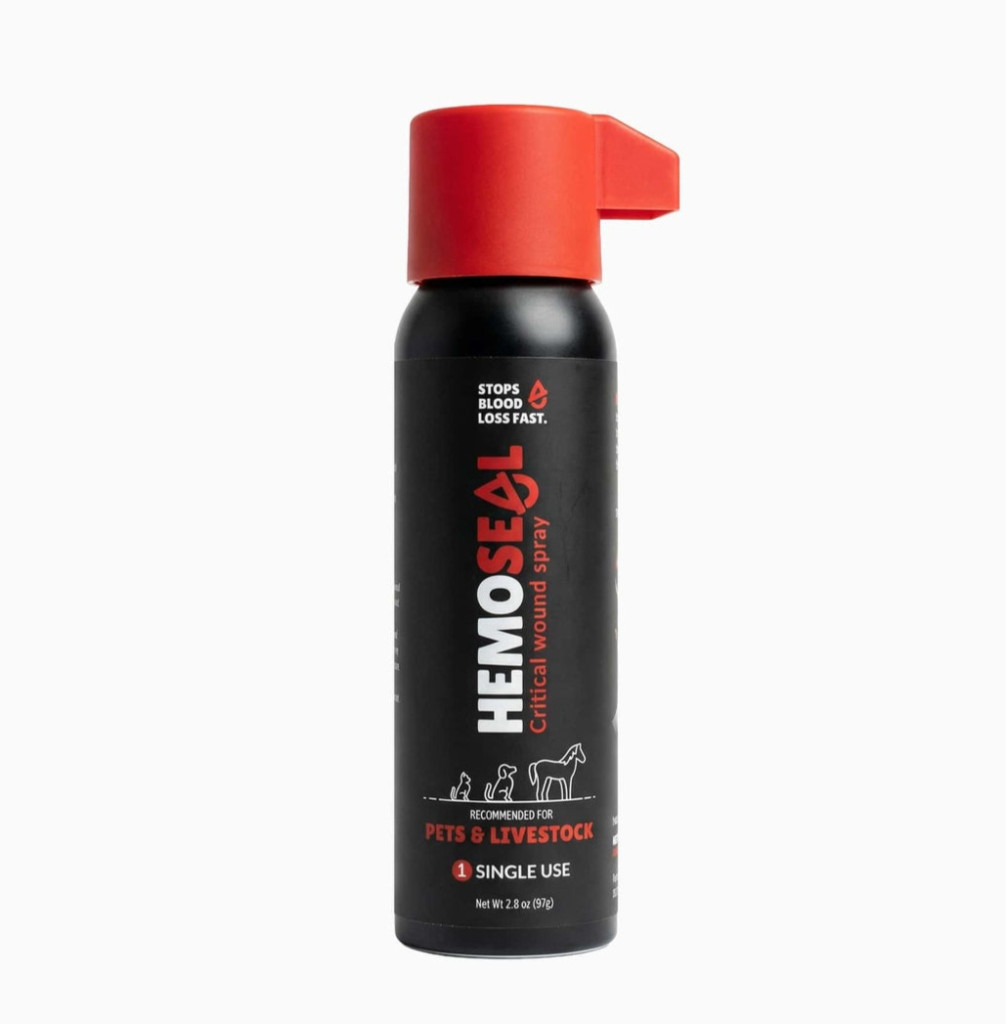
Veterinary Use: HemoSEAL
BC3 also produces a veterinary version called HemoSEAL.
Similar to the human formulation of SEAL, HemoSEAL stops bleeds fast, but is packaged specifically for veterinary applications. That works for K9 handlers, livestock operators, and rural responders.
Civilian and Low-Trauma Applications
BC3 Technologies is also developing a dry powder version intended for lower-trauma use.
Think shaving cuts. Kitchen accidents. Elderly patients on blood thinners who experience prolonged bleeding from minor wounds.
That product expands the application beyond battlefield and EMS trauma into everyday civilian environments.
Straight Talk
If you carry an IFAK, you still need:
A tourniquet
A pressure dressing
Hemostatic gauze for packing
Chest seals
SEAL is an addition, not a replacement.
If you’re dealing with a bleed, spray it, pressure it, wrap it.
If you’re dealing with a deep arterial bleed, spray it, pack it, and hold pressure.
If it’s an extremity bleed that needs a tourniquet, spray it and apply the tourniquet.
SEAL begins forming a mechanical barrier within about 30 seconds. That is faster than traditional packing methods in many surface-bleeding scenarios.
That early control buys you time to transition to pressure, manage additional wounds, or move to evacuation.
For soldiers, Marines, cops, medics, and prepared civilians, SEAL is another tool in the kit.








COMMENTS