

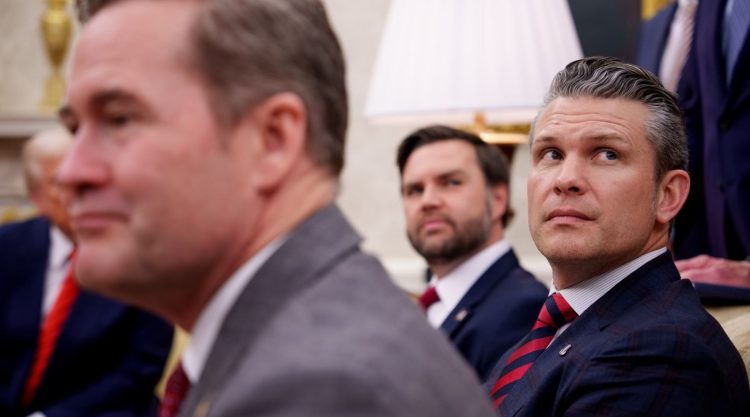
Others in the chat, including Joe Kent, said the timeline was flexible, and the operation wasn’t tied to a rigid schedule. The group also discussed how to manage public messaging and concerns about operational security. In the end, the operation moved forward as planned, and a spokesperson for Vance later said he supported the administration’s foreign policy despite the concerns raised in the chat.
What Exactly is Signal?
Signal is a highly secure, open-source messaging app known for its end-to-end encryption, which ensures that only the sender and the intended recipient can read the messages. We make extensive use of it here at SOFREP for a lot of our real-time daily comms. It supports encrypted text messages, voice calls, and video calls and has become a go-to platform for privacy advocates and security-conscious users. Part of its appeal lies in features like self-destructing messages, minimal data retention, and open-source code that allows for independent audits. Users can also set conversations to disappear automatically, leaving little digital trace.
Given these capabilities, it’s not surprising that someone like Mike Waltz might turn to Signal for high-level discussions. The app is widely recognized for its strong security, advanced encryption protocols, and a firm stance on user privacy—it doesn’t collect or sell user data, and it works seamlessly across mobile and desktop devices.
But even with its impressive security features, using Signal—or any non-classified platform—to discuss sensitive military operations flirts with a dangerous line. Government officials are generally barred from using apps like Signal for official business, especially when it involves classified material. National security experts have described the use of Signal in this context as “shocking recklessness,” highlighting that no matter how encrypted the app may be, discussing state matters outside secure government channels poses serious risks—and potential legal consequences.
SECDEF Hegseth’s Response to the Incident
Following the public revelation of the incident, Defense Secretary Pete Hegseth addressed the situation, stating:
“Nobody was texting war plans, and that’s all I have to say about that.”
He also criticized Goldberg, describing him as “deceitful and highly discredited.”
He accused Goldberg of making a career out of “peddling hoaxes,” referencing past controversies involving the Atlantic’s reporting.
Broader Implications and Reactions
The inadvertent inclusion of a journalist in a military government communication channel has sparked widespread concern over the administration’s handling of sensitive information. Some national security experts have suggested that discussing such operations over Signal may violate the Espionage Act and the Federal Records Act. Others write it off as a mistake that must be looked into so that it does not happen again.
House Minority Leader Hakeem Jeffries called for a Congressional investigation into the breach, labeling the incident “reckless, irresponsible, and dangerous.”
Looking Forward
This incident highlights the relentless challenges faced by our national security apparatus in an increasingly digital world. While the administration’s inadvertent error is regrettable, it’s crucial to recognize the immense pressure our leaders face in rapidly responding to evolving threats against American interests.
Moreover, this situation exposes the potential dangers of politically motivated leaks and the media’s eagerness to sensationalize national security matters. The focus should remain on supporting our military’s efforts to protect American lives and interests abroad, rather than exploiting isolated mistakes for partisan gain.








COMMENTS