Moral Recalculation
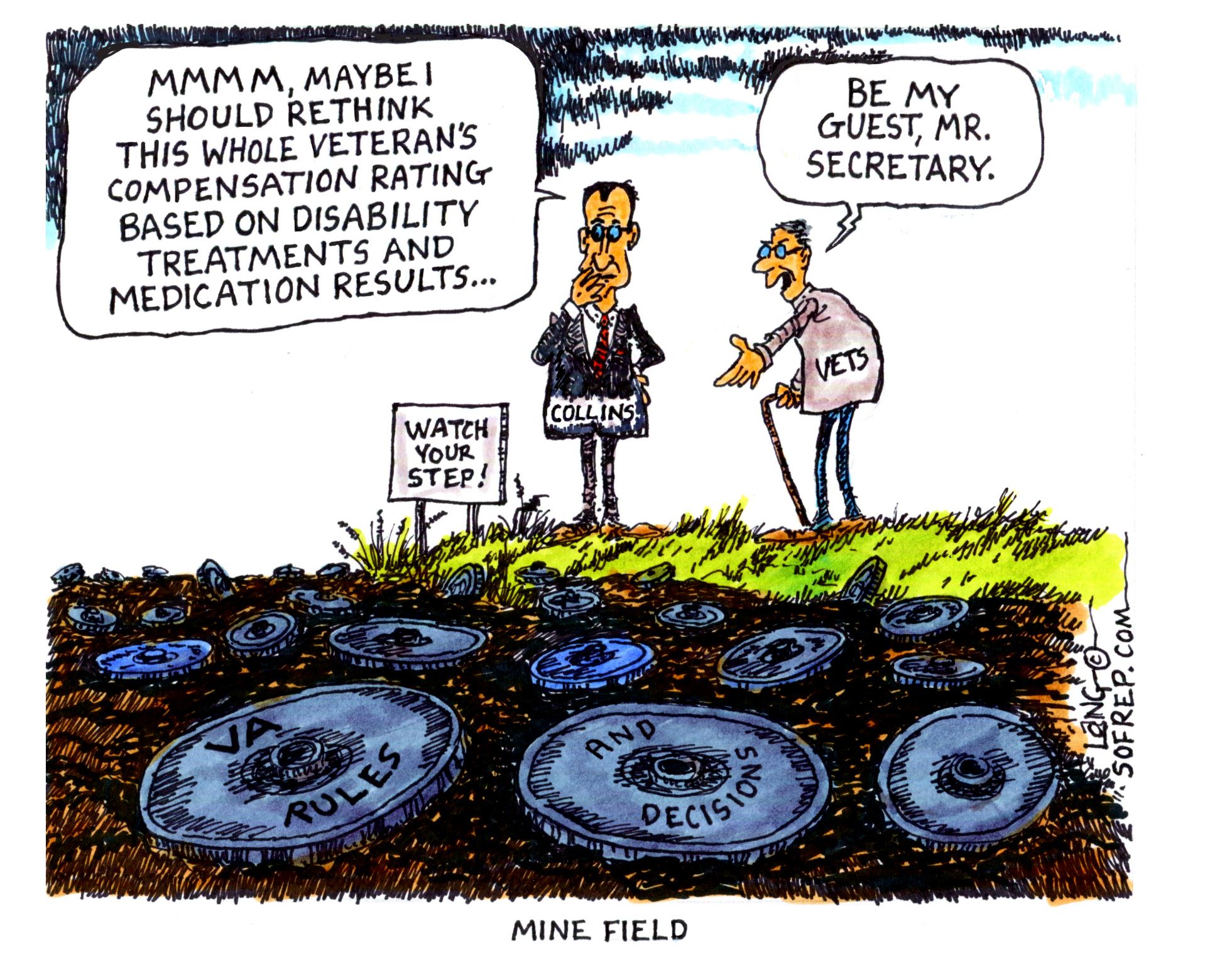
There is something morally off about being in charge of the welfare of wounded veterans and wondering how to pay them less. When a policymaker looks at men and women managing service-connected injuries and starts asking whether improved treatment justifies reduced compensation, it lands wrong. It feels less like stewardship and more like scanning for savings. It is the bureaucratic equivalent of looking at a cancer patient and asking how to cut costs instead of how to deliver the best care possible. That instinct is not reform. It is a warning sign that one is about to be relegated to second-class citizen status.
Sacrifice Is Not a Subscription Plan
Veterans’ disability compensation was never meant to function like a streaming service you downgrade once performance improves. It reflects service-connected injury and illness, the kind that rearranges a life permanently, even if medicine helps manage the symptoms. The damage does not disappear. The sacrifice does not shrink because therapy provides coping tools.
Suggesting otherwise feels less like reform and more like an accountant discovering patriotism has line items.
These are my kind and publicly printable thoughts on the matter.
The Fuse Nobody Wants to Light
This one strikes way too close to home. I’ve been in the VA system now for over 20 years (damn, that’s hard to believe). I’m sure many of you have been as well and can relate.
Anyone who has watched the VA system over the years understands that this terrain is layered with precedent, expectation, and long memory. Veterans have already fought for years to be recognized, documented, rated, and paid.
Introducing the idea that improvement could trigger reduction plants a dangerous seed: feel better and risk losing what you were told was earned.
That is not a small tweak. That is a shift in trust.
And once trust erodes, no spreadsheet can balance it back out.
Already have an account? Sign In
Two ways to continue to read this article.
Subscribe
$1.99
every 4 weeks
- Unlimited access to all articles
- Support independent journalism
- Ad-free reading experience
Subscribe Now
Recurring Monthly. Cancel Anytime.
Moral Recalculation
There is something morally off about being in charge of the welfare of wounded veterans and wondering how to pay them less. When a policymaker looks at men and women managing service-connected injuries and starts asking whether improved treatment justifies reduced compensation, it lands wrong. It feels less like stewardship and more like scanning for savings. It is the bureaucratic equivalent of looking at a cancer patient and asking how to cut costs instead of how to deliver the best care possible. That instinct is not reform. It is a warning sign that one is about to be relegated to second-class citizen status.
Sacrifice Is Not a Subscription Plan
Veterans’ disability compensation was never meant to function like a streaming service you downgrade once performance improves. It reflects service-connected injury and illness, the kind that rearranges a life permanently, even if medicine helps manage the symptoms. The damage does not disappear. The sacrifice does not shrink because therapy provides coping tools.
Suggesting otherwise feels less like reform and more like an accountant discovering patriotism has line items.
These are my kind and publicly printable thoughts on the matter.
The Fuse Nobody Wants to Light
This one strikes way too close to home. I’ve been in the VA system now for over 20 years (damn, that’s hard to believe). I’m sure many of you have been as well and can relate.
Anyone who has watched the VA system over the years understands that this terrain is layered with precedent, expectation, and long memory. Veterans have already fought for years to be recognized, documented, rated, and paid.
Introducing the idea that improvement could trigger reduction plants a dangerous seed: feel better and risk losing what you were told was earned.
That is not a small tweak. That is a shift in trust.
And once trust erodes, no spreadsheet can balance it back out.










COMMENTS