

These cuts aren’t meant to last forever. Some will stick around until mid-June, when a major runway construction project is expected to wrap up. Still, a few of them may linger into the summer, depending on how things go. The goal here is to reduce chaos now so that flying out of Newark doesn’t become a nightmare later.
There are several reasons for this move, and they all point to serious issues behind the scenes. First off, Newark has been hit by repeated radar failures at the nearby Philadelphia facility that handles its air traffic. One outage lasted 90 seconds—not a long time unless you’re responsible for directing dozens of planes—and it caused the kind of disruptions no one wants to deal with. Add to that a shortage of air traffic controllers, and you’ve got a recipe for flight delays and cancellations that get worse as the day goes on.
Since mid-April, Newark has averaged 34 cancellations a day, with delays creeping from just five in the morning to 16 by evening. These delays aren’t short either; they typically stretch from an hour and a half to well over two hours.
Pile all of this on top of ongoing runway construction, and it’s clear the system is under serious strain. Duffy and airline executives are calling for long-term fixes, including major investments in modernizing our aging air traffic control systems and hiring more staff. But in the meantime, they’re trying to give travelers a more reliable experience.
As Duffy put it, the goal is simple: if you book a flight, you should be able to trust it’ll take off on time. These cuts are a short-term fix to prevent passengers from being stuck in terminals with hours of waiting and no clear answers. Until the radar works without fail, the runways are finished, and there are enough qualified people in control towers, scaling back flights is the most realistic way to keep things from spiraling further out of control.
Trump To Use Gifted Qatari 747 as Air Force One
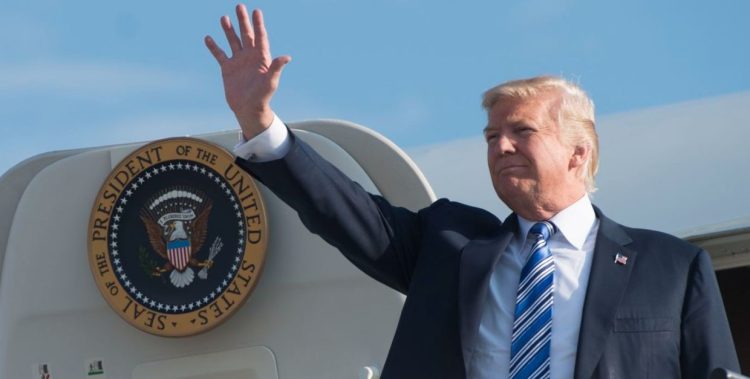
President Donald Trump is in the headlines today for his decision to use a luxury Boeing 747-8 jet, gifted by the Qatari royal family, as Air Force One during his second term. The aircraft, often described as a “flying palace,” is worth around $400 million and is among the most extravagant private jets in the world. This kind of arrangement has never happened before in U.S. history, and naturally, it’s raising legal and ethical eyebrows.
The official announcement is expected to come during Trump’s upcoming visit to Qatar, his first major overseas trip since returning to office. He actually toured the jet back in February at West Palm Beach International Airport, so this plan has been in the works for some time. The plane will be outfitted with the necessary security and communications upgrades by the Department of Defense to meet presidential standards—a process that could take up to two years. Until then, the current Air Force One will remain in service.
Trump’s decision comes as frustration builds over Boeing’s delays in delivering the next generation of Air Force One aircraft, which aren’t expected to be ready until 2029. Rather than wait, Trump is taking matters into his own hands—with help from the Qataris.
What’s raised the most questions is the legality of accepting such a massive gift from a foreign government. Under the U.S. Constitution’s Emoluments Clause, federal officials aren’t supposed to accept gifts from foreign states. But the Trump administration says they’ve got it covered. Lawyers from the White House counsel’s office and the Department of Justice have already prepared a legal analysis saying it’s fine because the gift is technically being made to the U.S. government—not to Trump personally. Later, after his presidency ends, the plane will be handed over to the Trump Presidential Library Foundation.
Administration officials are stressing that this is a government-to-government transfer, not some under-the-table deal. Still, it’s hard to ignore how unusual and controversial the whole thing is. Critics are pointing to the scale of the gift and the involvement of a foreign monarchy as reasons to question the optics—even if the legal boxes have been checked. For the record, I remember when I was on active duty and not allowed to take a pen from any company doing business with the government.
In short, Trump’s plan to use a Qatari “flying palace” as Air Force One is bold, highly unusual, and legally vetted—but not without controversy. It’s another example of Trump doing things his own way, regardless of how it’s been done in the past.








COMMENTS