

Paychecks Grounded, Planes Delayed: ATC Sickouts Slam the Skies
America’s air traffic system is wobbling. The federal shutdown that began on October 1, 2025, has rolled into a fifth week, and the people who choreograph every takeoff and landing are working without pay. Controllers are essential in name and duty, yet they receive no paycheck. Fatigue and stress are piling up, and sick calls are climbing at a pace the Federal Aviation Administration cannot absorb.
About half of the Core 30 facilities are short on people, according to the FAA. In the New York City area, absences have hit eighty percent. Boston, Nashville, Dallas, Newark, and Washington, D.C. report severe gaps of their own. When you lack controllers, you do not muscle through. You slow the system to keep it safe. That means metering departures, stretching arrival spacing, and telling airlines to wait.
The ripple effects are ugly. Los Angeles International briefly halted flights when there were not enough eyes on the scopes. Reagan National sat through extended ground delays. Departures headed for Orlando in late October were racking up average delays of more than two hours. Since the shutdown started, the FAA has logged more than 250 staffing shortage incidents. That is not a blip. It is a pattern.
Transportation Secretary Sean Duffy says the quiet part out loud. Controllers are exhausted, working overtime without pay, and watching bills stack up while they manage one of the most stressful jobs in government. Keep that up, and you do not fix burnout. You grow it. More fatigue. More errors to catch. More callouts the next day. Would you feel comfortable flying today?
This crisis lands on top of a known shortfall. The controller workforce has been aging out through retirements, and the pipeline is hard to fill. The FAA is hiring and training with plans to bring on nearly nine thousand by 2028, plus tweaks to training and starting salaries. Good moves. None of them solves a paycheck that reads zero on Friday.
Safety is still the spotlight. The FAA will slow the rate of air traffic before it risks a collision. That is the right call. It also means travelers will keep seeing cancellations and rolling delays until the money flows again. You cannot run a national air system on IOUs and good intentions. End the shutdown, pay the people guiding the airplanes, and let the system breathe. Do that and the delays start to thaw. Fail, and the clock will keep punishing anyone who needs to fly.
Air traffic controllers across the country are calling in sick tonight. The FAA is limiting the amount of planes in the air. Thousands of flights have been delayed and cancelled. These are the facilities with not enough staff to handle all scheduled flights. pic.twitter.com/xnFL6bLAqX
— Sam Sweeney (@SweeneyABC) October 31, 2025
Tanzania’s “Landslide”: Hassan’s 97% Win Looks More Like Control Than Choice
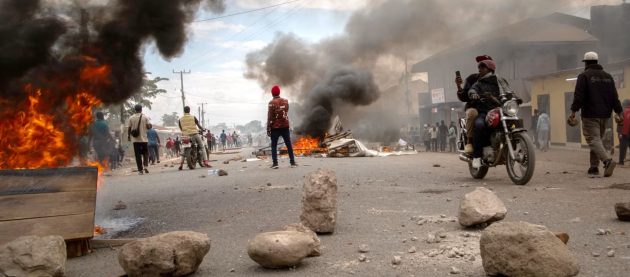
Tanzania’s recent presidential election did not look like a contest. It looked like a choreographed finish. On November 1, officials handed President Samia Suluhu Hassan a new five-year mandate with just over 97 percent of the vote after the October 29 poll. The number alone tells a story, but the streets tell it louder. Protests, tear gas, and troops moving to reinforce police in Dar es Salaam and other cities forced curfews and left bodies on the pavement. United Nations sources confirmed at least ten killed. Opposition figures claimed the toll is far higher.
How do you get to a 97 percent win in a country of 68 million? You start by clearing the field. Tanzania’s two heavyweight opposition forces, Chadema and ACT Wazalendo, were sidelined through arrests, disqualifications, and procedural traps that kept their leaders off the ballot. Tundu Lissu faced detention and treason charges in the run-up to election day. The commission’s final slate left Hassan facing minor figures from smaller parties. That is not competition. That is staging.
Election day itself came with a digital blackout. NetBlocks and regional tech outlets tracked a nationwide disruption that severed messaging, throttled platforms, and made real-time verification almost impossible. In the same hours, police and soldiers clamped down on crowds in Dar es Salaam, with reports of unrest in Shinyanga and Morogoro as well. If you want quiet streets, turning off the internet helps. It does not legitimize an election.
Officials still claimed an 87 percent turnout. Observers and rights groups called the process neither free nor fair, pointing to intimidation, enforced disappearances, and a shrinking civic space that began tightening long before this week. Hassan arrived in 2021 with hints of reform. By 2025, the ruling Chama Cha Mapinduzi machine looked as efficient as ever, only sharper at the edges.
Here is the bottom line. A landslide of this scale signals dominance, not democratic confidence. When your leading rivals cannot run, when the internet goes dark, and when soldiers backstop the police, the ballot becomes a formality. Tanzania’s people deserved a real choice and a transparent count. They got a coronation and a crackdown. The region is watching. So is the world. The question now is whether the government opens the door to accountability or keeps tightening the locks until the next cycle writes the same script.
Protests erupt in Tanzania, after all major Opposition Candidates were disqualified from the election or jailed.
The Government has blocked access to the internet.
The protesters defied the curfew and ban on protests. pic.twitter.com/8Muez9NghW
— Africa Facts Zone (@AfricaFactsZone) October 30, 2025








COMMENTS