

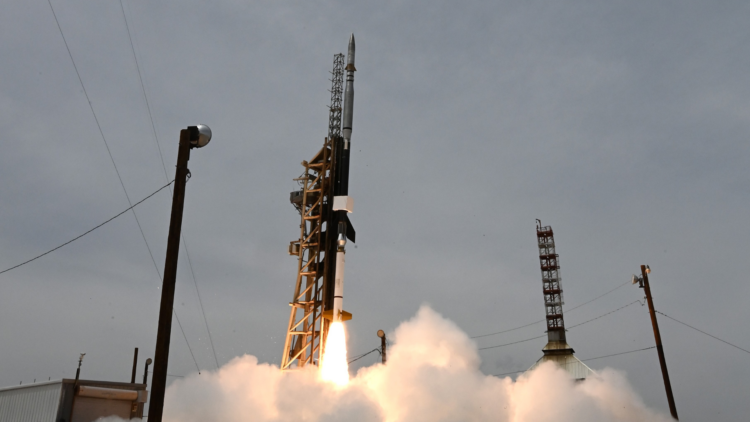
Subscale tests, like the one conducted in this campaign, offer a realistic operational environment for experiments and prototypes, significantly enhancing the frequency and affordability of these crucial developmental stages.
This accelerated rate of testing, coupled with reduced costs associated with subscale flight testing, is instrumental in expediting the maturation and eventual integration of offensive and defensive hypersonic technologies into operational use.
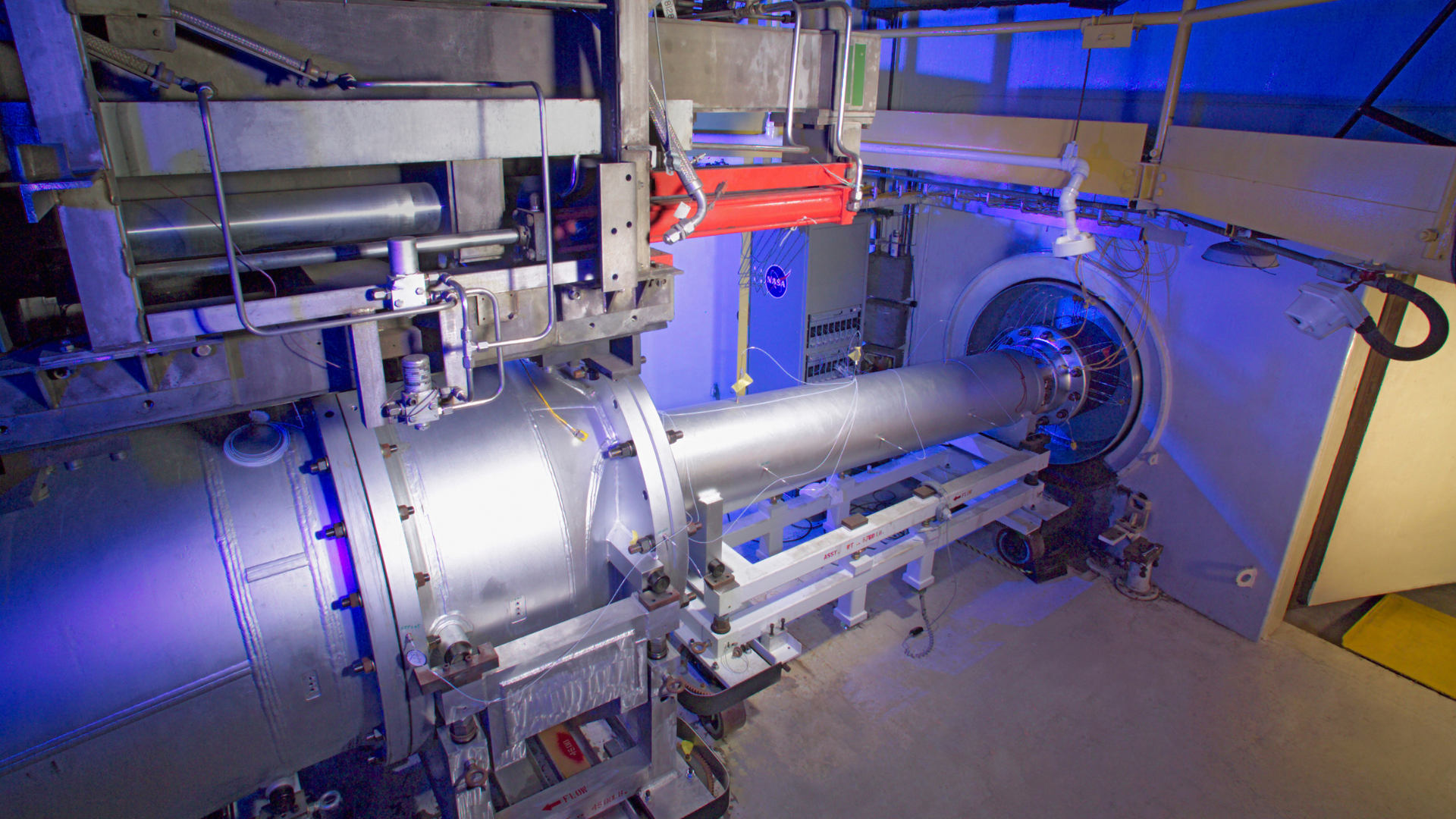
Multi-Service Advanced Capability Hypersonics Test Bed
This milestone achievement stands as a vital component of the Multi-Service Advanced Capability Hypersonics Test Bed (MACH-TB).
Designed to propel the development and transition of US hypersonic technology, MACH-TB is a collaborative platform that provides an affordable and rapid hypersonic flight test capability.
The program is a testament to the commitment of the Department of Defense (DoD) and its partners, including NASA, national laboratories, academia, and industry, in accelerating the advancement of hypersonic technology.
Program History and Management
Initiated in 2022 by the Navy CPS Program and NSWC Crane, the MACH-TB program was envisioned as a catalyst for expediting hypersonic technology development.
Now managed by the Office of the Secretary of Defense’s TRMC, its overarching objective is to ensure that the opportunities presented by MACH-TB can be harnessed across the entirety of DoD hypersonic endeavors, amplifying the impact of collaborative efforts on a broader scale.

Broadening Horizons: The Future of Hypersonic Technology Integration
Hypersonic systems, characterized by speeds surpassing Mach 5 or approximately one mile per second, have garnered significant attention within the DoD, especially in recent years.
With other major superpowers, like Russia and China, making significant strides in the field, the US is feeling the pressure and doubling its efforts to develop these high-speed capabilities.
However, this progress has faced limitations primarily due to inadequate infrastructure, such as wind tunnels and test vehicles, thereby constraining the frequency of flight trials for significant programs.
Typically, these initiatives undergo only a handful of trials annually due to these constraints, but Scott Wilson, the Navy’s developmental test lead for hypersonics and advanced capabilities, outlined the imperative need for change.
The goal of the MACH-TB, as articulated by Wilson, aligns with the Pentagon’s ambition to augment the testing tempo to one flight per week.
Moreover, in an interview with C4ISRNET, the official emphasized that the existing operational tempo is no longer sustainable.
Increasing the frequency of tests is essential to amass vital data, enabling stakeholders to make informed decisions about transitioning weapon systems, integrating technology, and advancing overall capability.
Thus, the recent successful execution of this test campaign underscores the strides made in advancing hypersonic technology, epitomizing the synergy between innovation, collaboration, and strategic vision.
As the nation continues its pursuit of cutting-edge defense capabilities, the fruits of this collective endeavor promise a future fortified by resilient, agile, and formidable hypersonic technologies.
~
The recent successful test campaign, a collaborative endeavor among the Navy and other significant agencies, marks promising progress in hypersonic technology development.
This milestone demonstrated cutting-edge capabilities and generated crucial data vital for refining defense initiatives.
Despite infrastructural limitations hindering frequent flight trials, the MACH-TB program continues to revolutionize its testing frequency, symbolizing innovation, collaboration, and strategic foresight, promising a future fortified by formidable hypersonic technologies, securing a crucial edge in global defense evolution.
—
Check out:










COMMENTS