

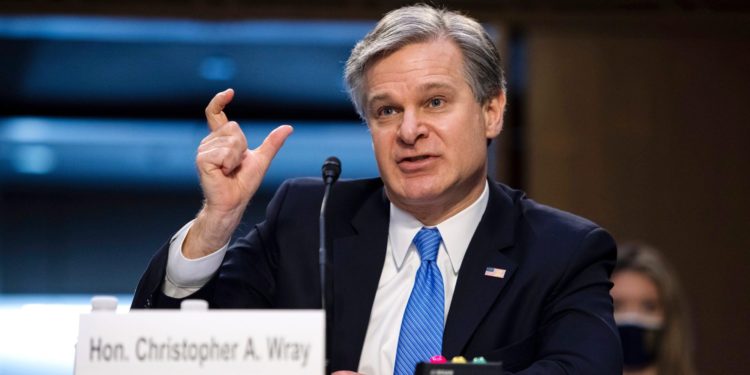

“Both of these threats, which together form the most significant terrorism danger to our country, are located primarily in the United States and typically radicalize and mobilize to violence on their own,” Wray said, adding that those actors’ ability to quickly mobilize without any indications, often due to their use of encrypted communications such as Signal and ProtonMail, “pose significant challenges to our ability to proactively identify and disrupt them.”
Foreign Terrorist Organizations
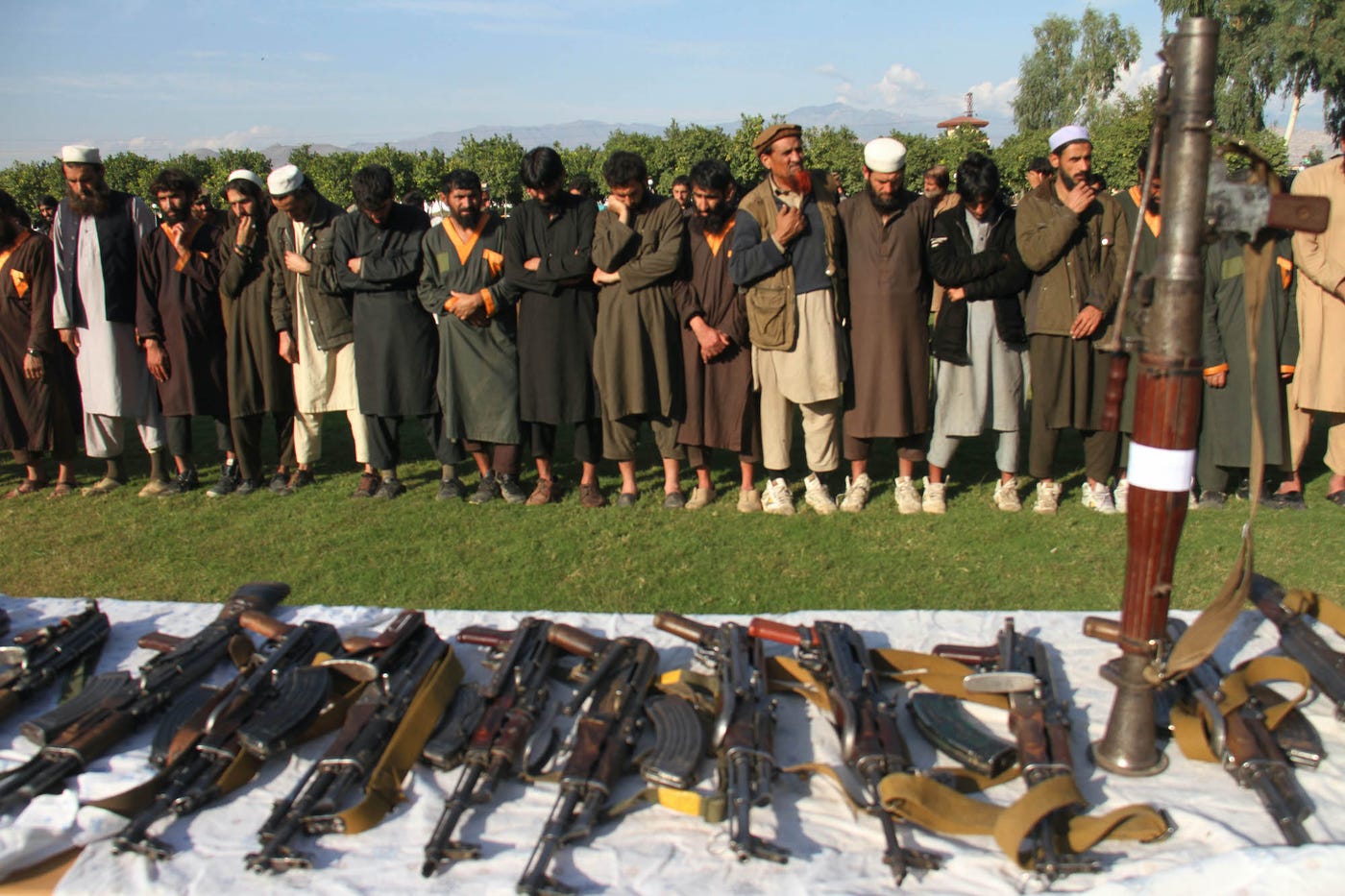
Twenty years after the September 11, 2001, terrorist attacks, terrorist groups still pose a threat to the United States.
According to the FBI, Al Qaeda and ISIS are actively planning attacks on the U.S. and against U.S. interests abroad, as well as against other Western countries.
The difference between the two terrorist groups has to do with their approaches. Al Qaeda seeks to conduct large-scale attacks that will kill lots of people and draw international attention. ISIS seeks to influence and motivate individuals and small cells of radicalized people to perform “lone wolf” attacks.
Iran, acting through its Islamic Revolution Guard Corps’ Quds Force, and its proxy forces are also actively plotting attacks against U.S. targets stateside and in the Middle East.
Cyber
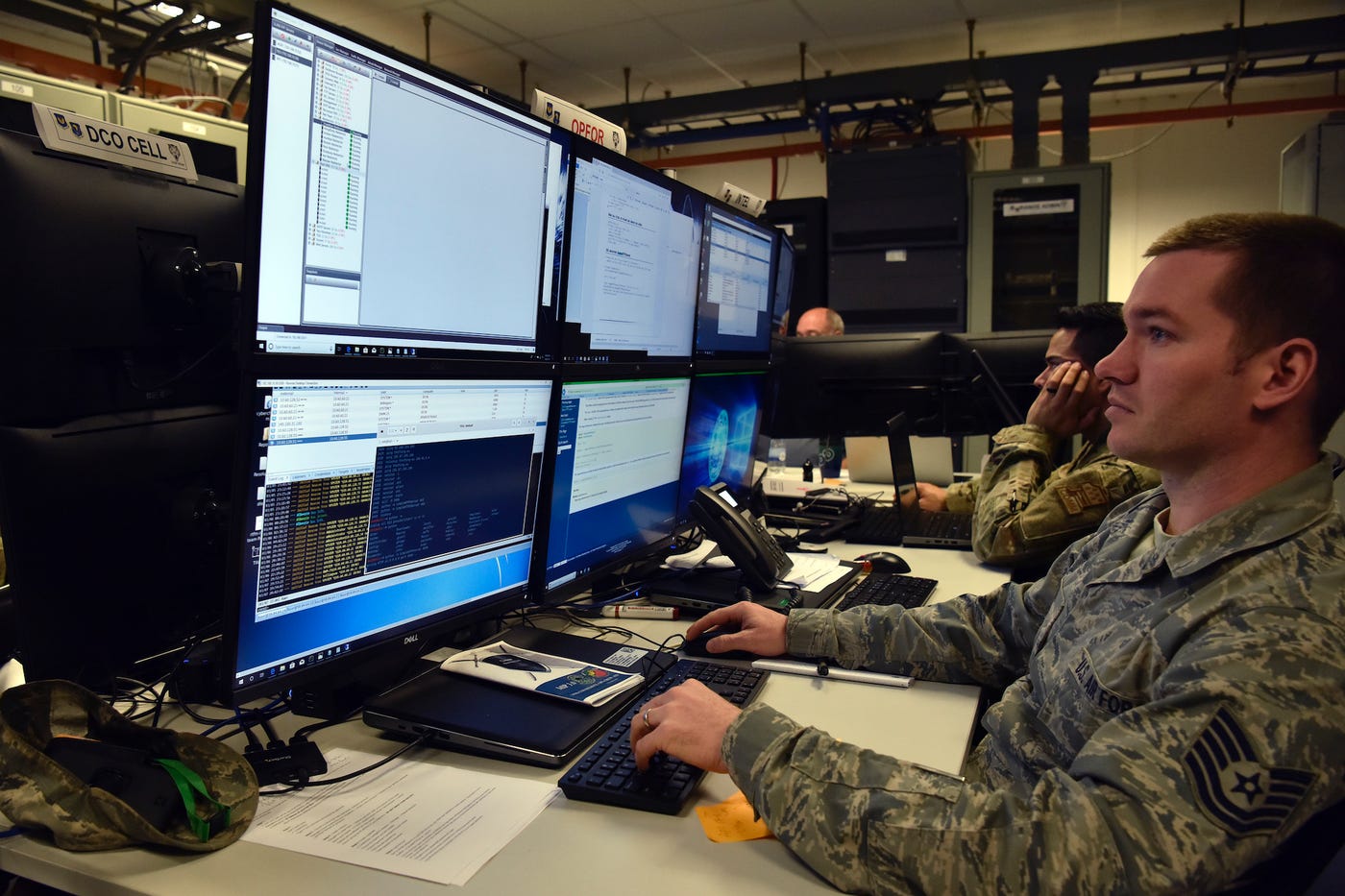
Unsurprisingly, cyberattacks also pose a grave threat to U.S. national security and the U.S. economy.
Russia and China have been hacking their way to U.S. national, economic, and technological secrets for years now.
Despite the creation of a specific cyber center to coordinate and address these attacks, Moscow and Beijing keep at it, causing grave damage. The National Counterintelligence and Security Center has calculated that Beijing steals between $200 billion and $600 billion worth of economic secrets a year.
Theft at that scale can have profound impact — industrial espionage, for instance, has boosted China’s military modernization efforts.
Foreign Malign Influence
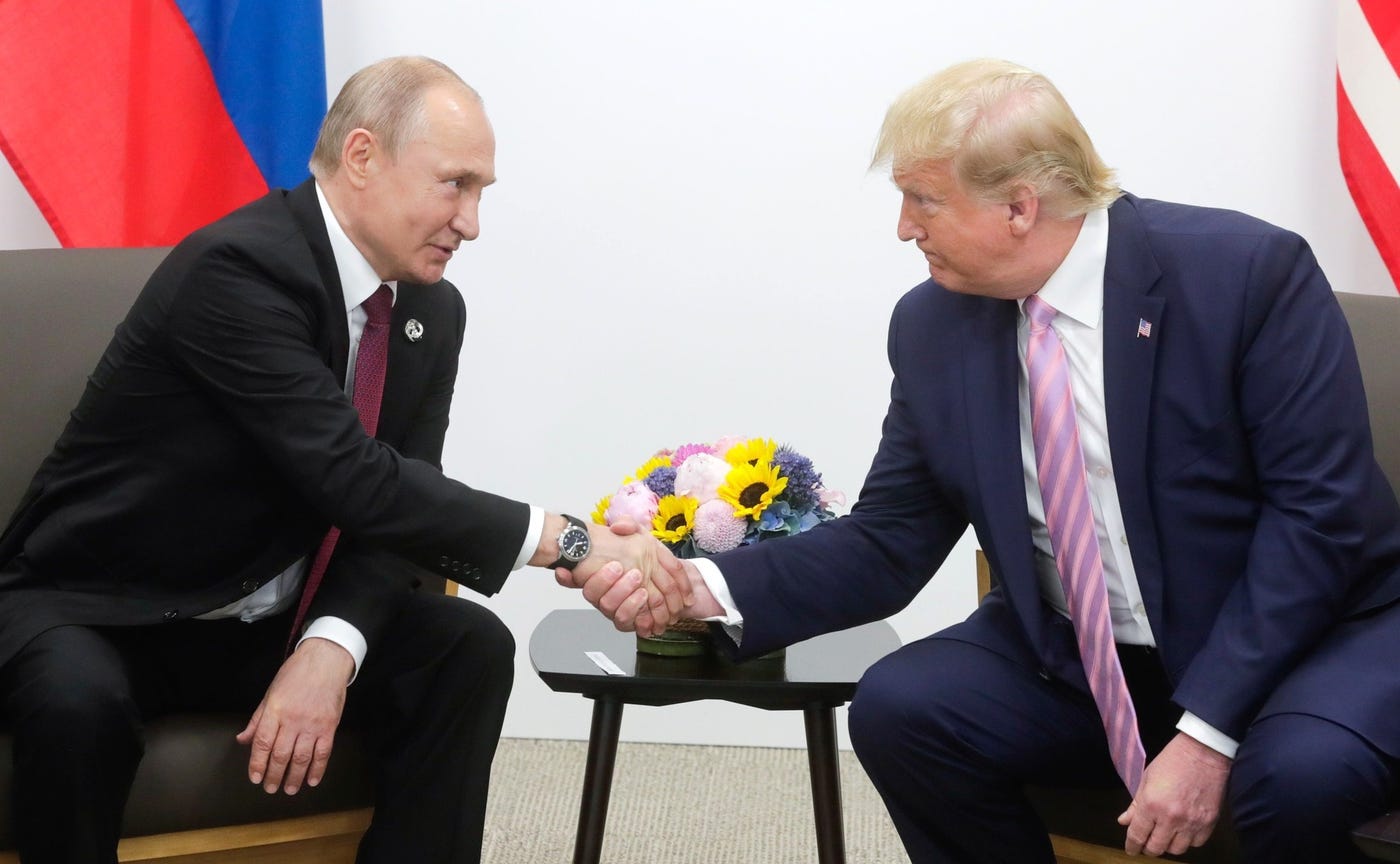
Malicious foreign influence is probably the least detectable of the major threats facing the United States.
The FBI and the rest of the intelligence community assess that foreign states are trying to influence U.S. national politics and public opinions, with the goal of sowing division.
In 2016, the Russian intelligence agencies sought to influence the U.S. presidential election, interfering “in sweeping and systematic fashion,” though they don’t appear to have altered votes and it’s not clear that they affected the election results.
Foreign influence operations include subversive, undeclared, coercive, and criminal activities to influence political sentiment and public discourse.
Although such influence operations aren’t anything new, the pervasiveness of social media and the ability of artificial intelligence to imitate human activity on social media has made them much harder to defend against.
According to the FBI, adversaries such as China and Russia are “hoping to reach a wide swath of Americans covertly from outside the United States” by fabricating fake identities on social media in order to “discredit U.S. individuals and institutions.”
Supply Chains
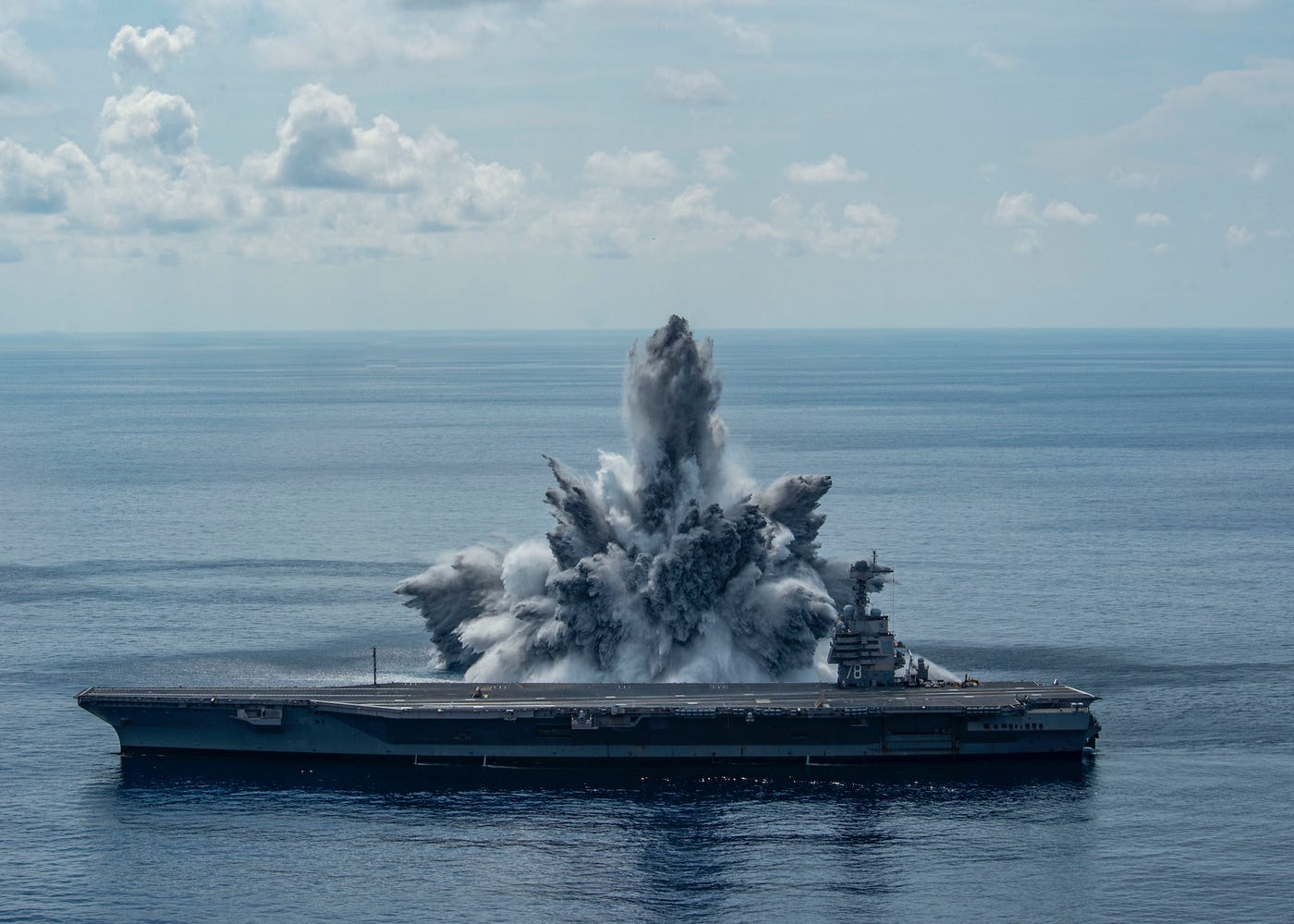
In addition to the four threats the FBI identified, vulnerabilities in the supply chain are also a source of major concern.
For example, if the USS Gerald R. Ford, the Navy’s new $13 billion aircraft carrier, requires a small auxiliary part that’s made overseas and a trade war or conflict breaks out, the U.S. wouldn’t be able to replace that part.
That’s a hypothetical scenario to highlight the importance of a robust supply chain, but those vulnerabilities have been put on display.
Early in the COVID-19 pandemic, demand for masks and other personal protective equipment skyrocketed, and most of the supply came from China. More recently, economies have been affected by ongoing delays and shortages of important industrial components, especially of semiconductors, most of which are made in East Asia. Deteriorating relations, or outright conflict, could create even worse problems.
Despite the many challenges on many fronts, Wray said the FBI continues to work with its partners to thwart plots and threats.
“No matter which threats have dominated the landscape over the last 20 years, the FBI has remained focused on prevention and disruption — sharing intelligence and making arrests before criminals and terrorists can act,” Wray said.
This article was written by Stavros Atlamazoglou and originally published on Insider.








COMMENTS