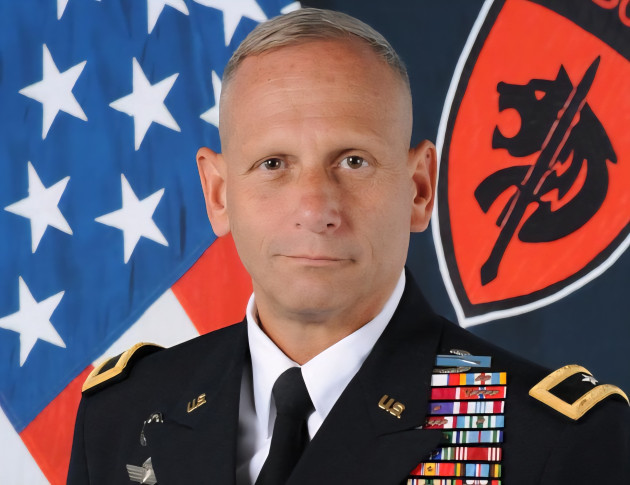
Leaders who openly embrace rhetoric advocating for violence, killing, and destruction often risk disconnecting themselves from the true realities of war. This disconnection may stem from a lack of firsthand experience, or, when they do possess such experiences, it reveals a profound moral and ethical failing. Having served in combat for a total of 81 months across ten tours in Afghanistan, witnessing firsthand the harrowing toll of warfare, I can assert that the responsibility of leaders encompasses more than mere strategy and tactics; it fundamentally includes the imperative to uphold compassion and humanity, even in the hardest of circumstances.
War is not a glorified contest of strength or strategy; it is a profound and often devastating experience that instills a deep understanding of the fragility of life. Each battle, every engagement, comes with a heavy burden—that of lost comrades, shattered lives, and enduring scars that persist long after the guns have fallen silent. As leaders, we are acutely aware of the consequences of our decisions, knowing that our actions can lead to destruction and death. In this context, promoting violence is not merely irresponsible; it is a betrayal of the values we are sworn to uphold.
After enduring the immense emotional weight of losing service members under my command and witnessing the pain and suffering inflicted upon countless individuals, I have come to understand that true leadership demands empathy and humanity. It is a leader’s duty to seek alternatives to violence whenever possible. This involves cultivating a mindset focused on peace, understanding, and reconciliation, rather than one that glorifies aggression. The capacity to cause harm should compel us to exercise restraint, fostering a resolve to avoid conflict unless absolutely necessary.
True leadership means comprehending the profound impact of our words and actions. When leaders engage in discussions about violence and destruction without a nuanced understanding of its ramifications, they risk trivializing the sacrifices made by those who have faced the brutal realities of combat. Such rhetoric can embolden an already volatile environment, perpetuating cycles of violence that can persist for generations. It is imperative that we encourage dialogue centered around peace and healing rather than aggression, thereby honoring those who have served and sacrificed.
Ultimately, leaders must shoulder the moral responsibility of shaping a future where violence is not the first course of action. We should strive to be voices of reason and compassion, illuminating paths toward resolution and understanding. The true nature of war teaches us that every life lost is irrevocable and carries echoes of heartache that reverberate far beyond the battlefield. With this knowledge comes the obligation to advocate for de-escalation, diplomacy, and a focus on humanitarian solutions—a testament to our commitment to restoring dignity and humanity to all involved.
In conclusion, a leader who has experienced the horrors of combat should emerge from such trials with a transformed perspective. Rather than promoting violence, they should become champions of peace, advocates for compassion, and stewards of humanity. While the capacity for destruction exists, it is our collective responsibility to wield it judiciously, remembering always the heavy toll of war. Our shared goal must be to foster understanding and reconciliation, ensuring that the lessons gleaned from the battlefield further our commitment to a better, more peaceful world.
Donald C. Bolduc
Already have an account? Sign In
Two ways to continue to read this article.
Subscribe
$1.99
every 4 weeks
- Unlimited access to all articles
- Support independent journalism
- Ad-free reading experience
Subscribe Now
Recurring Monthly. Cancel Anytime.
COMMENTS