

Interest rates, which influence borrowing costs for consumers and businesses alike, have also remained a critical issue during Trump’s initial month in office. The Federal Reserve’s decisions on interest rates can shape the economic landscape; however, there was little mention of Trump’s plan to navigate these fiscal waters. Rising interest rates can have a cascading effect on everything from mortgage payments to the viability of small businesses, yet such fiscal policies have not received the attention they deserve within the administration’s emerging framework.
Medical costs and the high expenses associated with healthcare have dominated American conversations for years. The promise to address healthcare affordability was a cornerstone of Trump’s campaign; however, subsequent silence at events like CPAC regarding healthcare reform has raised concerns among constituents. The issue of escalating medical costs can discourage individuals from seeking necessary care, leading to a disastrous cycle of health and financial instability. The absence of dialogue about these realities during the conference sends a message: the administration may prioritize partisan battles over addressing pressing health concerns.
Lastly, the cost of consumer goods significantly impacts everyday life. Inflation and supply chain concerns have led to rising prices across various sectors, including food, clothing, and essential goods. Yet, any clarity on strategies to curb these costs—whether through regulatory reform, trade policies, or other economic measures—was notably missing in Trump’s speech. This omission underlines a broader trend of deflection away from crucial substantive issues that impact American families, diverting attention to less pressing matters or generating hostility towards political opponents.
In the annals of American political history, the first month of any presidency is often portrayed as a period of potential and hope. As Americans we want our President to be successful. However, as Americans, we must remain skeptical of the self-aggrandizement and the constant touting of progress championed by leaders. While the President addressed the Conservative Political Action Conference (CPAC), extolling his administration’s achievements, a closer analysis suggests that beneath the surface of proclaimed accomplishments lies a reality of mounting divisiveness and a challenging future fraught with uncertainty that does not serve the best interest of the country and our national security.
At CPAC, President Trump highlighted new border policies purported to enhance national security, declaring them as an emblem of progress within his administration. As Americans we want a secure border. However, we must not lose sight that immigration has made America strong and most Americans heritage is tied to it.
We must put a critical eye on the rhetoric surrounding the immigration policies that may be a catalyst for further polarization within the nation.
Moreover, Trump’s speech at CPAC was steeped in criticism of his Democratic opponents, which only served to deepen the ideological chasm dividing the nation. The language used to demonize rivals reflects a political atmosphere where cooperation is overshadowed by adversarial tactics. By engaging in these “revenge tactics,” as critics would argue, the administration is not fostering a culture of dialogue and understanding, but rather cultivating an environment that prioritizes conflict over collaboration.
Internationally, the implications of Trump’s early policies have also raised concerns. His relationship with Ukraine, as noted during the conference, reflects the precarious balance of diplomatic relations. While Trump expressed frustration with Ukrainian President Volodymyr Zelensky, the absence of a cohesive foreign policy vision raises eyebrows about America’s standing in the global arena. The discontent expressed by Trump and the subsequent rifts between nations point to a reality where domestic politics can overshadow critical diplomatic relations, potentially compromising long-term international alliances.
Further complicating the political landscape is the presence of other figures at CPAC, such as Argentine President Javier Milei and Italian Prime Minister Giorgia Meloni. Their participation signifies a growing coalition of leaders who espouse right-wing populist sentiments, further fueling the rise of divisive politics both domestically and abroad. The shared ideologies of these leaders indicate a trend that transcends borders, where national narratives concerning immigration, identity, and governance are steeped in populist rhetoric that prioritizes exclusion over inclusion.
Additionally, the theatrics of CPAC, epitomized by Elon Musk’s presentation of a “bureaucracy chainsaw,” reflects a broader cultural phenomenon that presents governance as a spectacle. This serves to divert the public’s attention from substantive policy discussions toward sensationalism. While such performances may entertain, they do not address the pressing issues facing the country—a sign that superficiality may overshadow critical governance.
In conclusion, while President Trump may tout accomplishments and progress in the first 30 days of his administration, a clear-eyed examination reveals a landscape marked by divisiveness and uncertainty. The ambitious rhetoric surrounding border policies and the engagements with foreign leaders reflect a tumultuous political climate. For clear thinkers, the future over the next four years looks increasingly fraught with challenges stemming from revenge tactics and disrupted domestic and foreign policies. As engaged citizens, it is crucial to scrutinize these developments and advocate for a political discourse grounded in unity rather than division, seeking ways to foster collaboration and shared understanding in these testing times for the prosperity of our nation and our national security.
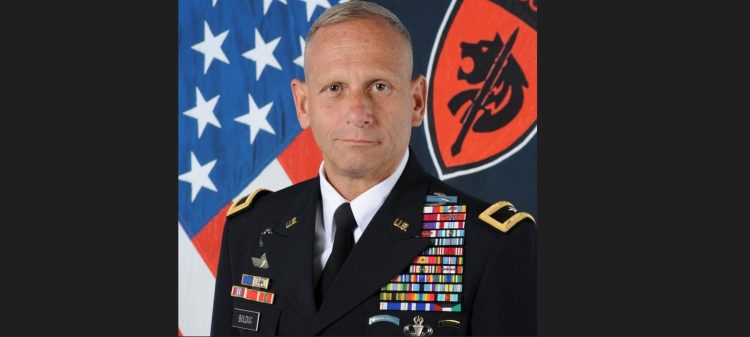
Donald C. Bolduc








COMMENTS