

In one of the most exciting scenes in 2008’s “The Dark Knight,” Batman infiltrated a secure building and captured a criminal who had fled the United States. He made his escape by deploying a balloon tethered to him that was snatched out mid-air by a passing aircraft. The whole scene seemed like classic super-hero fodder — after all, there’s no way a human being could actually escape that way, right?
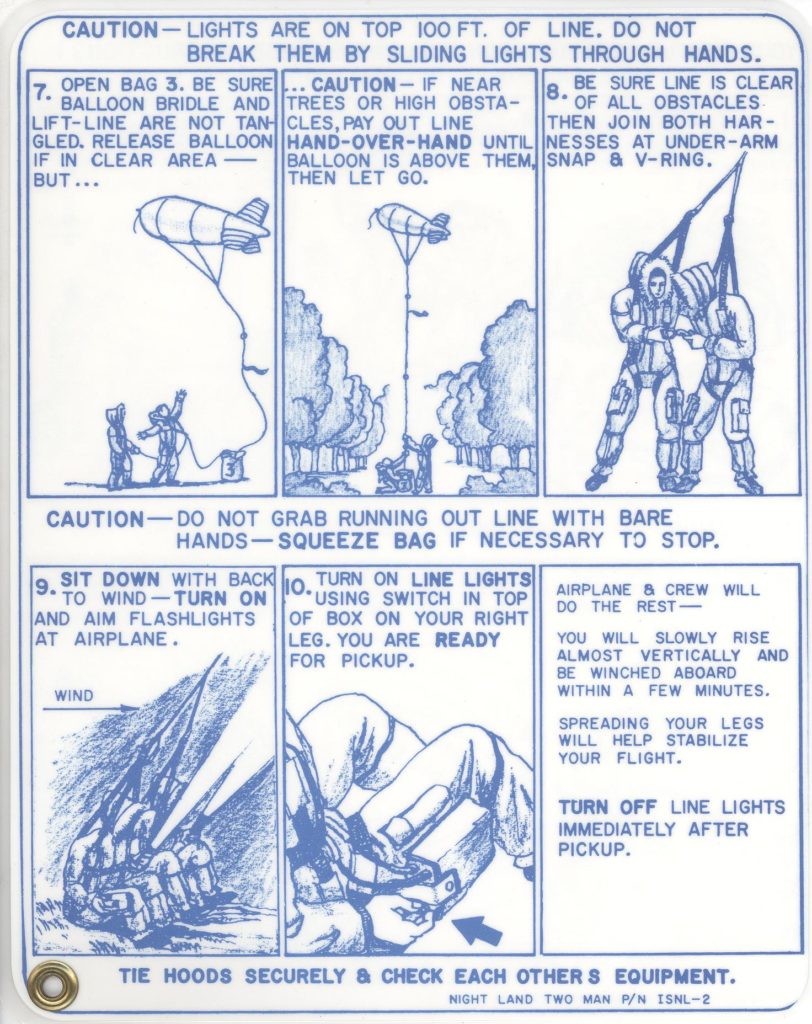
Think again. That scene was actually based directly on a very real CIA program called Skyhook (also known as the Fulton surface-to-air recovery system), which aimed to help rescue downed pilots or spies from behind enemy lines without ever having to make a stop. The concept was simple (and not all that different from its depiction in “The Dark Knight”). The downed pilot or fleeing spy deploys a balloon to around 500 feet, straps himself in, and waits for a passing B-17 (or other aircraft) to grab his line and yank him out of harm’s way.
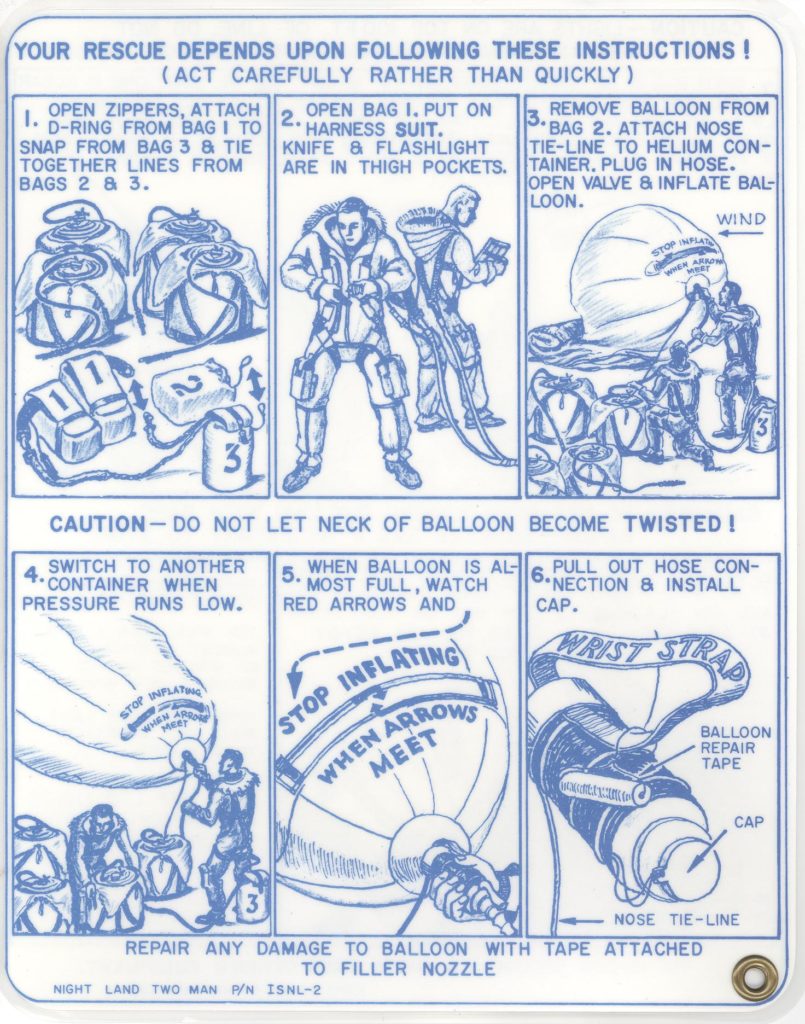
To accomplish this feat safely, pilots had to catch the line beneath the balloon and immediately pull up; otherwise, the passenger on the other end of the line would find himself dragged along the ground at 130 miles per hour — which is notably not all that safe a way to escape.
According to estimates, Skyhook passengers would experience seven Gs as they were snatched up off the ground, which, while uncomfortable, is highly survivable.
Once airborne, the crew aboard the aircraft would winch the person up in a matter of minutes, saving them from having to make the rest of the ride dangling hundreds of feet below.
This crazy concept actually saw operational use in the 1960s, starting with the extraction of a CIA officer from an abandoned Soviet Ice Station in May of 1962. Of course, there’s not a lot of information regarding other times the Skyhook methodology was employed because of the clandestine nature of the CIA’s work, but it seems feasible that variations on this theme could continue to be employed in some cases today.
While Skyhook may sound like Cold War relic tech, its legacy endures in the DNA of modern covert exfiltration methods. The same principle—get in fast, get out faster—lives on through today’s special operations recovery systems, from low-visibility helicopter grabs to space-age drone extractions. It’s a reminder that even in an era of satellites and stealth aircraft, the most dangerous missions still come down to guts, timing, and trust in your gear. Batman might’ve made it look like fiction, but for the men who rode that steel line skyward, it was all too real.








COMMENTS