

That system has experienced clogs and required frequent maintenance during deployment.
The carrier has been on an extended deployment cycle, longer than the traditional six-month window typical for U.S. carrier strike groups.
Extended deployments place strain on sailors and their families, something the Navy has acknowledged across multiple ships in recent years. Yes, I’m well aware this is nothing new.
The ship has made routine logistics and support stops in the Mediterranean during its deployment, including at Souda Bay, Crete, a standard U.S. Navy support location.
None of this is controversial. None of it is classified. None of it suggests the ship is unable to perform its mission.
Why a toilet story becomes a global story
The USS Gerald R. Ford is the most expensive warship ever built and the lead ship of a new carrier class. Anything that goes wrong aboard her attracts attention. A clogged toilet on a patrol boat is a maintenance issue. A clogged toilet on the Navy’s flagship becomes an international headline.
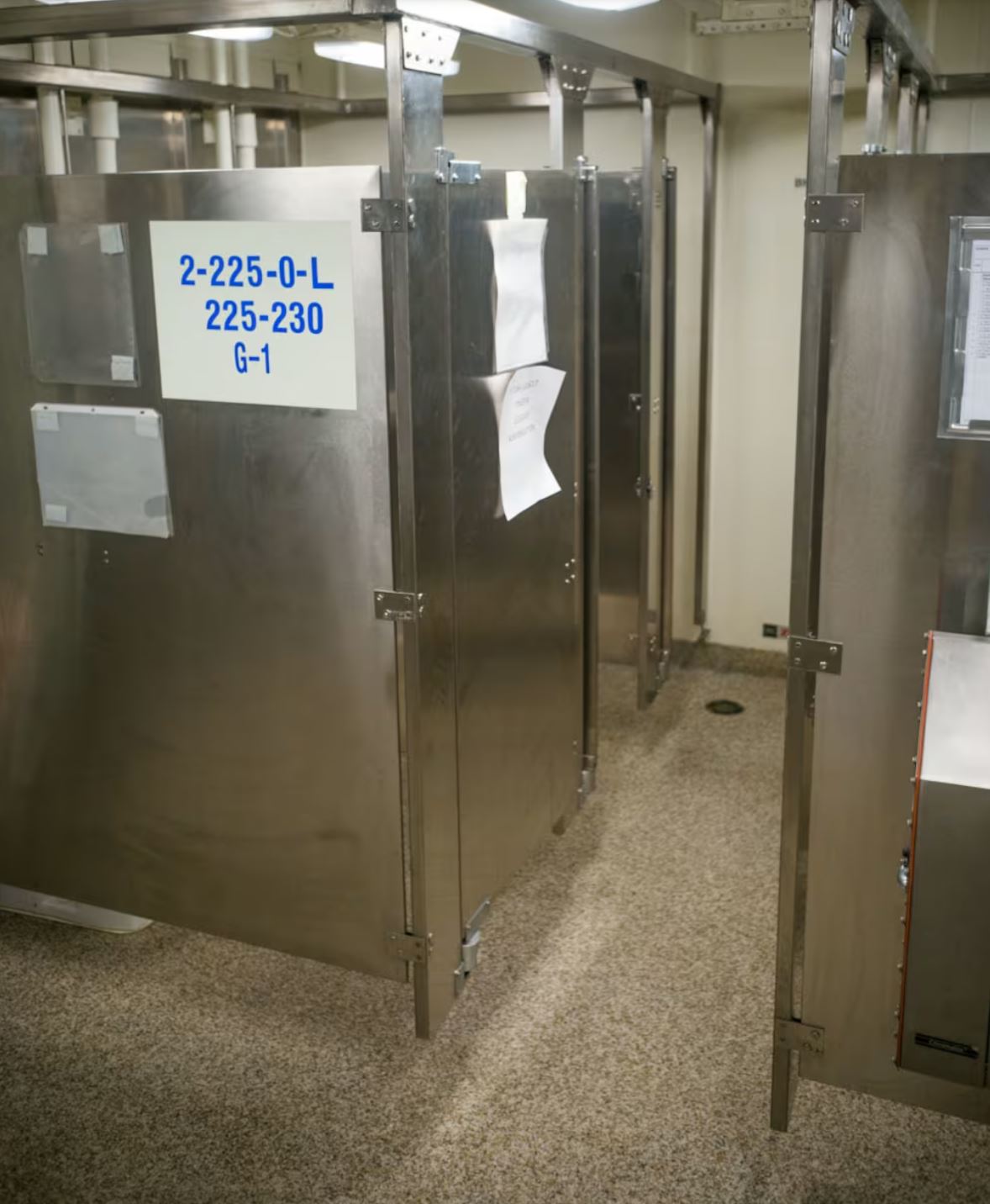
The vacuum system itself isn’t experimental. Similar systems are used on ships and aircraft to conserve water and space. They work well when maintained and when everyone onboard follows procedures. When they clog, they can affect multiple heads at once, which means engineers get busy quickly.
That’s not unique to Ford. It’s the nature of complex systems at sea.
Every ship has its version of this story
Anyone who has spent time aboard a U.S. Navy vessel knows the pattern. Something breaks. Sailors fix it. The mission continues.
Carriers, destroyers, submarines — all of them operate with equipment under constant strain from saltwater, vibration, and nonstop use. Flight decks wear down. Radar systems require calibration. Galley equipment fails. Plumbing clogs. None of this stops flight operations or mission readiness unless the failure directly affects combat systems.
There is no credible reporting indicating that Ford’s sewage issues have degraded its ability to launch aircraft, conduct operations, or serve as a forward-deployed carrier.
What the story does highlight is operational tempo.
The real issue: demand for carriers
The U.S. Navy maintains a limited number of deployable aircraft carriers, and global demand for their presence is constant. When crises stack up across regions, carriers stay out longer. When carriers stay out longer, crews feel it. Equipment feels it. Maintenance schedules compress.
This has been a recurring theme across the fleet in recent years. Extended deployments and high operational tempo are not unique to Ford. They are the byproduct of a Navy that remains heavily tasked worldwide.
So when a system like plumbing begins to show strain during a long deployment, it’s not evidence of collapse. It’s evidence of heavy use.
Morale, reality, and life at sea
Long deployments wear on sailors. That’s real. Interviews with crew members across the fleet over the years have documented fatigue, family strain, and retention concerns tied to extended time at sea.
That’s a human story, not a mechanical one.
And it matters more than any clogged pipe.
Because what keeps a carrier operational isn’t just technology. It’s the sailors who keep systems running, day after day, long after headlines move on.
What this all means
Yes, the USS Gerald R. Ford has experienced recurring plumbing issues.
Yes, the ship has been deployed for an extended period.
Yes, high operational tempo places stress on both crews and equipment.
No, this does not mean the carrier is combat ineffective.
No, this does not signal a collapse in U.S. naval capability.
No, this is not the first time a warship has had maintenance issues while deployed.
It means the Navy’s newest carrier is doing what carriers are built to do: stay at sea, remain forward, and operate under pressure.
Warships are not showroom models. They are used hard, fixed at sea, and sent back out again. Sometimes the story is about missiles and sorties. Sometimes it’s about maintenance crews keeping the plumbing flowing.
Either way, the ship keeps moving.
And that — more than any headline — is the real story.








COMMENTS