

Japanese officials argue that the kingdom’s involvement at this stage might lead to delays in production and create uncertainties surrounding technological advancements.
#Japan is citing weapons transfer law as the reason why Japan cannot accept #Saudi Arabia into #Tempest/#GCAP fighter program.
Japan's telling UK and Italy to choose between Japan or Saudi Arabia. I am afraid UK/Italy will choose Saudi Money if forced to. https://t.co/Nfe02zd86X
— FacelessMan (@FacelessManTwit) August 15, 2023
The Question of Saudi Arabia’s Contributions: Financial and Technological
The heart of the controversy lies in Saudi Arabia’s potential contributions to the Tempest program. The kingdom has vowed to make a “significant financial contribution” to the project, which is expected to cost tens of billions of dollars. Additionally, Saudi Arabia claims it can offer engineering expertise at various stages of the program. However, doubts persist about the kingdom’s ability to contribute meaningfully in terms of technological advancements, raising questions about the true extent of its participation.
Motivated by Setbacks
The unexpected interest from Saudi Arabia is, in part, fueled by the challenges encountered in the delivery of Eurofighter Typhoon aircraft – a deal signed over five years ago between Saudi Arabia and the UK aimed to supply 48 Eurofighter Typhoons to reinforce the kingdom’s existing fleet of 72. However, the delivery has been plagued by delays, and the British government’s suspension of arms sales, which was attributed to concerns about the potential risk of civilian harm, in Saudi Arabia in 2019 further complicated matters.
A Shifting Landscape: Implications and Future Prospects
As the debate over Saudi Arabia’s inclusion in the GCAP intensifies, global observers are closely watching the developments. The implications of this decision reach beyond the boundaries of defense cooperation and underscore the intricate web of diplomatic, economic, and technological factors at play. Once envisioned as a trilateral endeavor, the GCAP now faces the challenge of accommodating a fourth member with potentially varying goals and capabilities.
One of the foremost consequences pertains to the intricate web of relationships and partnerships established among the original trio of nations. The UK, Italy, and Japan have worked tirelessly to forge a collaborative framework that aligns their defense strategies, technological capabilities, and objectives for the GCAP. The entry of Saudi Arabia introduces a new set of priorities, potential conflicts of interest, and divergent strategic aspirations. This could complicate the decision-making process, slowing progress and introducing complexities into what was initially a well-coordinated endeavor.
UPDATE: BAE Systems is set to recruit more than 1,000 engineers over the next 12 months to support the Tempest programme – the sixth-generation jet fighter under development in the UK – and to build Typhoon aircraft, primarily at its sites in Lancashire. #UKmfg🇬🇧 pic.twitter.com/XCMxybz8E7
— Jefferson (@Jefferson_MFG) August 1, 2022
Moreover, the inclusion of a fourth member has the potential to shift the balance of power within the initiative. Each participating nation brings unique strengths, capabilities, and areas of expertise to the table. Saudi Arabia’s entry may necessitate a recalibration of resource allocation, technology sharing, and decision-making mechanisms. The original partners may find themselves in a position where they need to renegotiate the terms of collaboration to accommodate the newcomer’s contributions and expectations.
Beyond the technical and logistical aspects, the addition of Saudi Arabia could also impact the overarching objectives of the GCAP. The original trio had already established shared goals, and Saudi Arabia’s motivations, whether primarily economic, strategic, or technological, may introduce new objectives that need to be integrated into the program’s vision. This recalibration could potentially dilute the initial focus or alter the long-term outcomes envisioned for the initiative.
In the context of international geopolitics, including Saudi Arabia could also influence diplomatic dynamics and regional stability. The participation of an additional nation with its own alliances, conflicts, and geopolitical interests may introduce a layer of complexity to the already delicate balance of power in the region. The other GCAP partners would need to navigate these geopolitical sensitivities while ensuring that the collaborative effort remains focused on its core objectives.
Ultimately, the potential consequences of integrating Saudi Arabia into the GCAP highlight the need for a careful and strategic approach. While the kingdom’s participation offers opportunities for increased resources, expertise, and cooperation, it also poses challenges that must be addressed.
Technological Aspects of Tempest
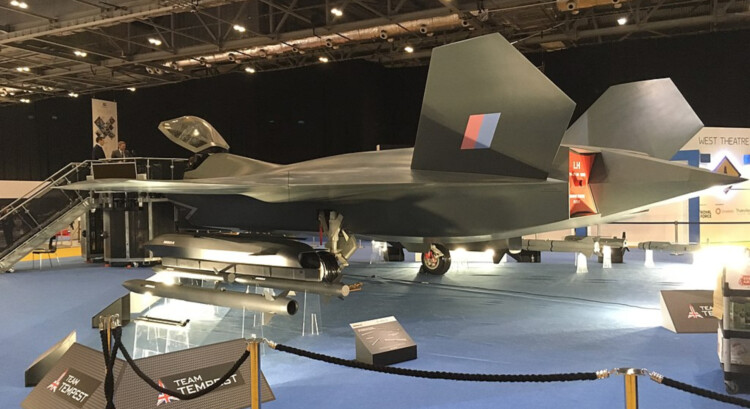
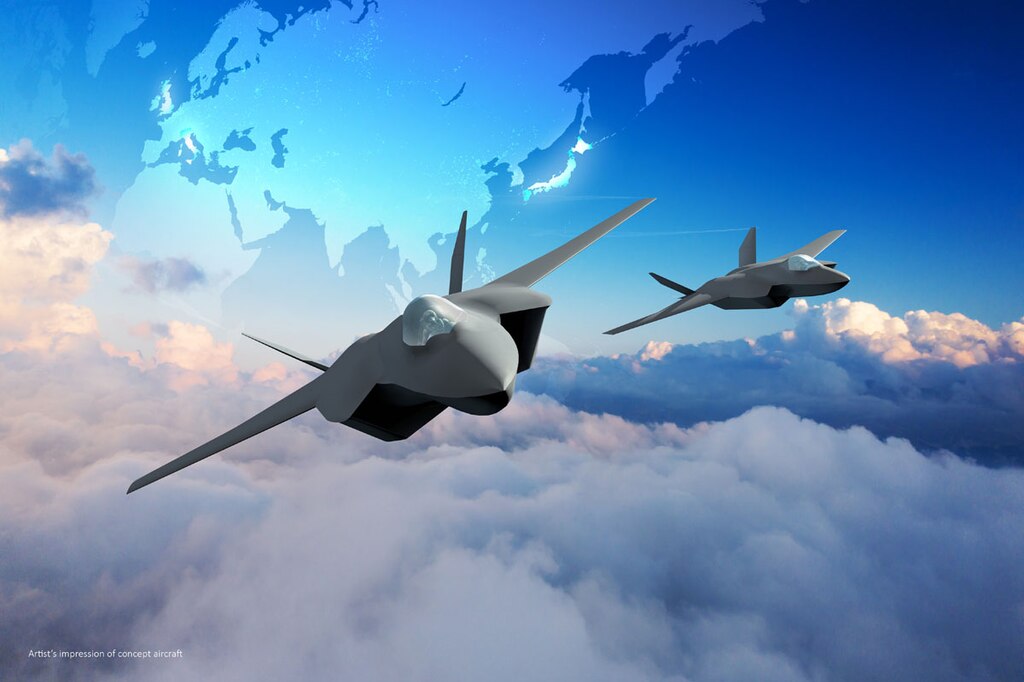
Accordingly, the Tempest is set to be an ambitious sixth-generation fighter jet that will feature new advanced technologies, including deep learning artificial intelligence, optional manning capabilities (can be flown with or without a human pilot), the ability to direct a group of swarming drones and fitted with directed-energy weapons and hypersonic weapons capable of traveling at least Mach 5 speed.
Another technological aspect integrated into the Tempest program (with the potential to set a new standard for upcoming fighter jets) is called the “cooperative engagement capability.” This feature encompasses the capacity for battlefield collaboration, enabling the sharing of sensor data and communication to effectively coordinate offensive and defensive maneuvers.
~
In conclusion, Saudi Arabia’s bid to join the Global Combat Air Program has injected a new layer of complexity into an already ambitious and groundbreaking initiative. While the UK welcomes the kingdom’s participation, Japan staunchly opposes it, fearing delays and complications. As the program progresses, it remains to be seen whether Saudi Arabia can indeed contribute significantly to the technological advancements envisioned or if its participation will be more aligned with its economic interests. The future of the GCAP hangs in the balance, with the decisions made today shaping the landscape of international defense cooperation for years to come.








COMMENTS