

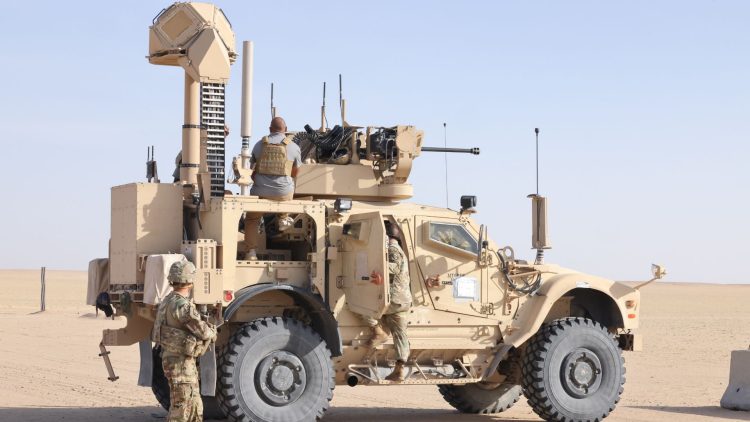
These included high-tech tools such as radio frequency scanners and jammers, electro-optical/infrared cameras, interceptor drones, and guided rockets.
The goal was to rapidly identify and neutralize the most dangerous threats from a swarm of incoming drones.
“It was a very successful demonstration,” said Colonel Michael Parent, chief of the Army’s Joint C-sUAS Office, in a statement. “You don’t want to obviously engage the target multiple times. You’ve got so many [UAS] coming at you, you have to be able to differentiate and have the most promising threat first.”
The test results, while still under evaluation, have already shown significant improvements in the speed and accuracy of drone detection and engagement compared to previous tests.
Emphasis on Layered Defense Approach
The Army emphasized the need for a layered defense approach, combining multiple systems to effectively counter drone threats, which are complex and evolving.
“What we saw was that you really do need a full system-of-systems approach, a layered approach, because we’re talking about a very large profile, 50 or more [threats] … coming out from different angles, different speeds and different sizes,” Parent added.
All nine C-sUAS demonstrated improved performance compared to previous tests conducted between 2021 and 2023.
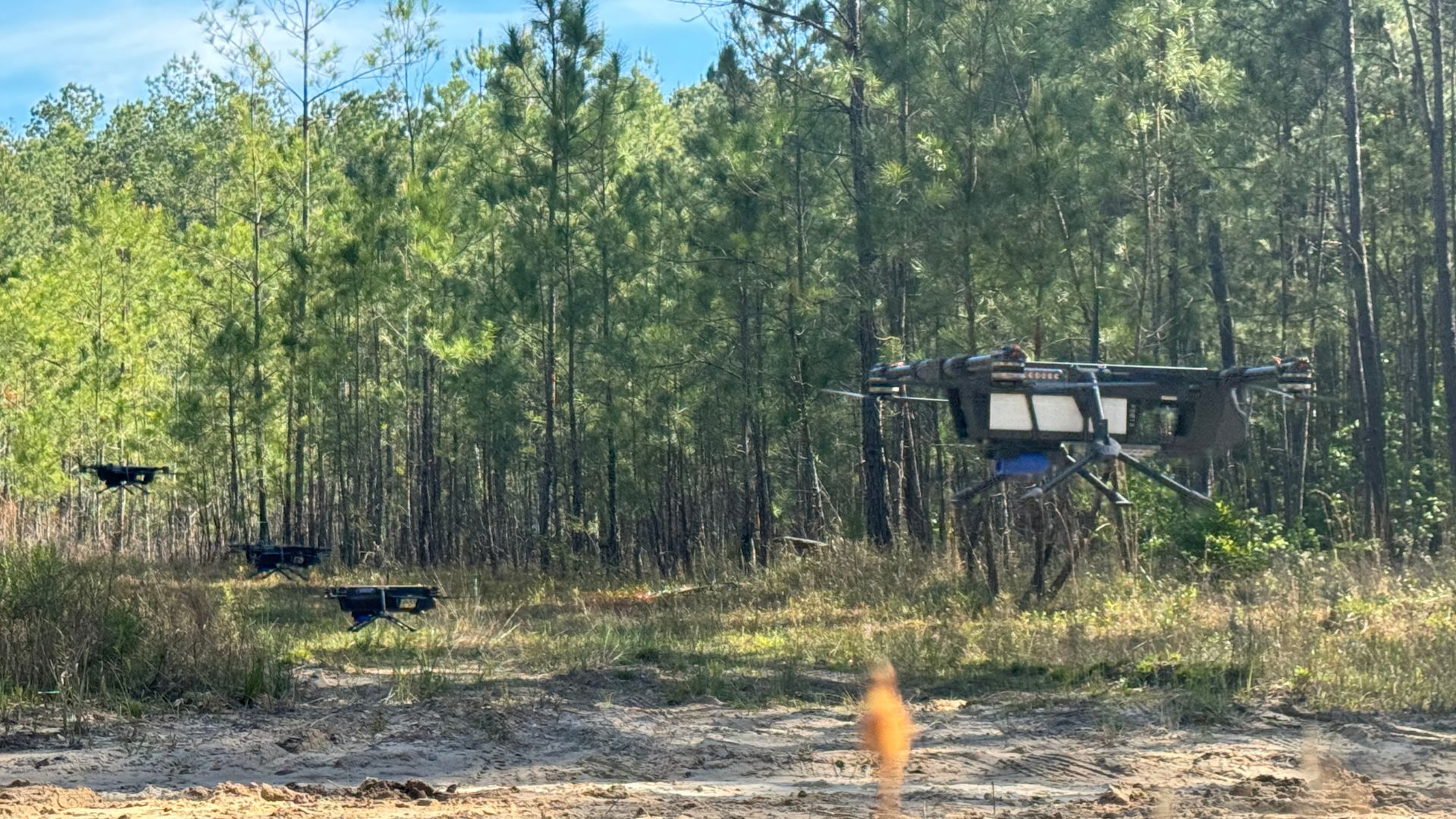
As the world becomes increasingly reliant on drones for both civilian and military purposes, the development of robust counter-drone capabilities is essential for national security.
The US Army’s successful test marks a significant milestone in this critical area of defense.
—
Disclaimer: SOFREP utilizes AI for image generation and article research. Occasionally, it’s like handing a chimpanzee the keys to your liquor cabinet. It’s not always perfect and if a mistake is made, we own up to it full stop. In a world where information comes at us in tidal waves, it is an important tool that helps us sift through the brass for live rounds.








COMMENTS