


This deal extends Sentar’s nearly ten years of support for the agency’s Cyber Security Division operations worldwide.
The work covers all of the Pentagon’s Military Health System sites, including around 60,000 servers and workstations, as well as support for about 430 different Programs of Record Systems with various infrastructures and operating systems.
Sentar announced in a July 11 press release that the project includes one base year and could be worth over $172.7 million if the four-year option is exercised.
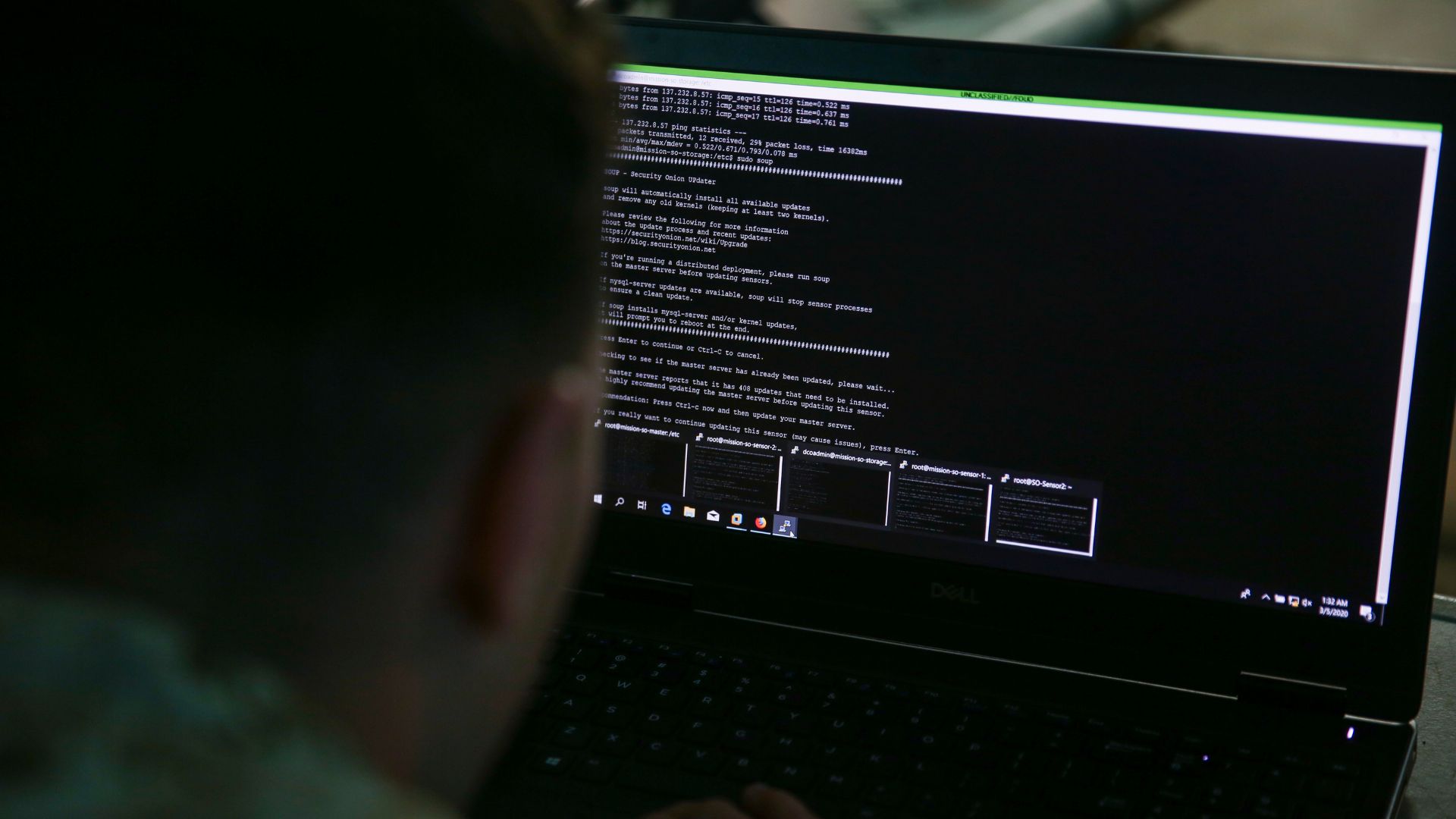
The momentum continued across the US armed forces, with the Air Force tapping General Dynamics to expand its cyber operations within its Civil Engineer Center valued at $185 million and the Navy entrusting Accenture to maintain its unified security platform through a ten-year, $789 million contract. Both contracts were announced in May.
These contracts, along with a major $60.7 million deal awarded to KBR in March for similar cybersecurity efforts, show a broad strategy to protect critical infrastructure and sensitive data.
Experts suggest that the concerted effort to bolster cyber defenses reflects a growing recognition of the potential consequences of cyberattacks, which can disrupt essential services, compromise national security, and erode public trust.
The conflict in Ukraine is a perfect example of this. Russia has repeatedly launched cyberattacks on Ukraine’s critical infrastructure, especially targeting the power grid, demonstrating just how dangerous cyber warfare can be.
As for our two cents, protecting our digital frontlines is just as crucial as traditional defenses. The expanding battlefield has shown this repeatedly. It’s already a glaring truth that if we don’t invest in cybersecurity now, we risk facing threats that could cripple our nation’s ability to respond to a crisis.
Securing the Marine Corps’ Digital Future
The latest CRD contract is set to boost the Marine Corps’ ability to operate in the digital space, which is becoming more vital for national security.
By teaming up with CRD, the Marines aim to beef up their cyber defenses and offensive skills and stay ahead in the ever-evolving field of tech warfare.
With a potential value of up to $113 million if all options are used, this deal marks a significant investment in the Marine Corps’ cyber capabilities for the future.
—
Disclaimer: SOFREP utilizes AI for image generation and article research. Occasionally, it’s like handing a chimpanzee the keys to your liquor cabinet. It’s not always perfect and if a mistake is made, we own up to it full stop. In a world where information comes at us in tidal waves, it is an important tool that helps us sift through the brass for live rounds.








COMMENTS