

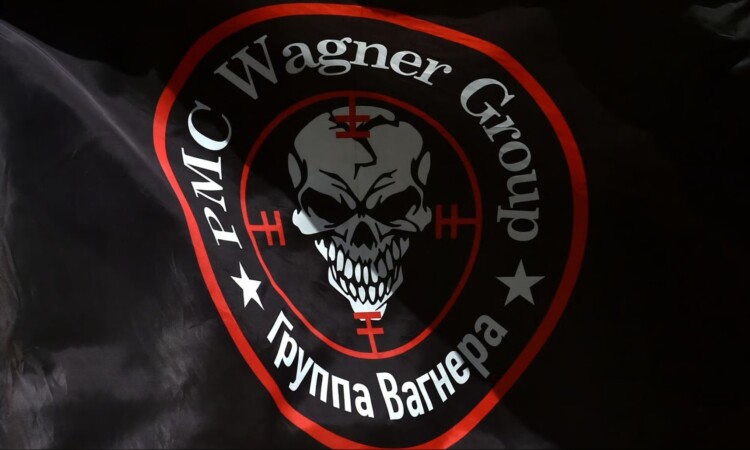
Wagner’s origins can be traced back to Prigozhin’s desire to create a private military force that could be deployed in regions where conventional Russian troops could not operate openly. As the group’s founder, Prigozhin played a pivotal role in its development, reportedly using his wealth and influence within the Russian government to secure lucrative contracts and covert missions.
Wagner gained prominence through its involvement in the conflict in Eastern Ukraine, where it operated alongside pro-Russian separatist forces. The group’s mercenaries were accused of participating in combat operations, espionage, and acts of brutality, including torture and summary executions. Furthermore, its activities in Ukraine served as an early indicator of its willingness to engage in covert and often ruthless military actions.
In subsequent years, the Wagner Group expanded its operations beyond Ukraine, becoming involved in conflicts in Syria, Libya, the Central African Republic, and other regions. Its fighters were often deployed to support regimes or groups aligned with Russia’s interests, and their presence fueled concerns about Russian interference in various international conflicts.
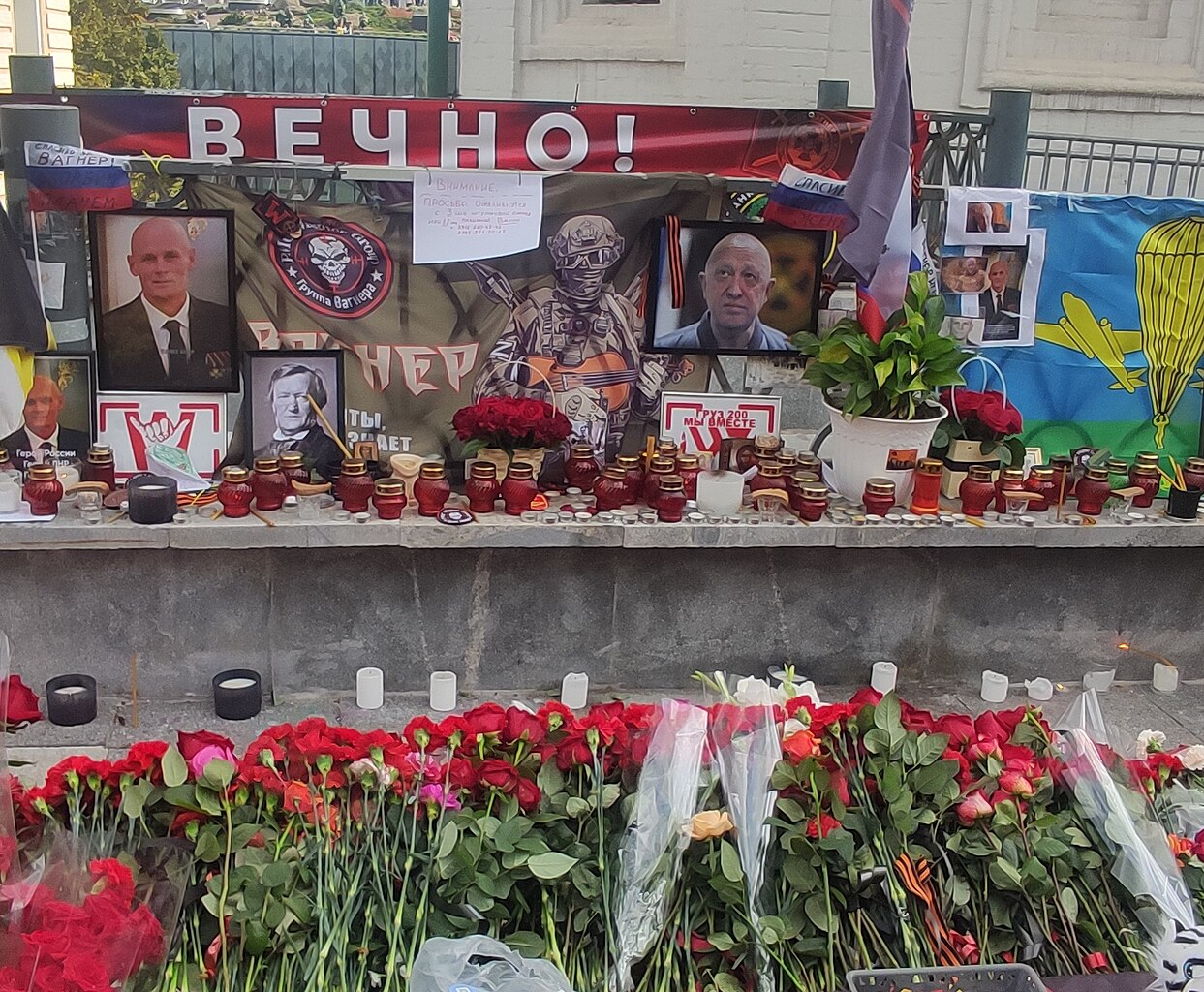
Home Secretary Braverman characterized the group as “a violent and destructive organization which has acted as a military tool of Vladimir Putin’s Russia overseas.”
The ban on the Wagner Group elevates it to the status of a terrorist organization alongside internationally recognized groups like al-Qaida and the “Islamic State.” Under the Terrorism Act, the home secretary holds the authority to ban organizations involved in terrorism, and this move makes it unequivocally clear in UK law that the Wagner Group falls into this category.
Braverman underscored the group’s global threat by saying, “The group’s operations in Ukraine, the Middle East, and Africa are a threat to global security.”
UK’s Commitment to Counterterrorism
In a related development, last month, the Financial Times reported, citing government insiders, that the UK would take steps to proscribe the Wagner Group as a terrorist organization as part of a fresh crackdown on the Russian mercenary network.
The head of the Wagner Group, Prigozhin, met an untimely demise in a plane crash last month. This occurred only two months after he led Wagner fighters in a short-lived mutiny against Russian defense forces and Putin’s inner circle. This rebellion, which was swiftly quashed, underscored the complexities of the group’s relationship with the Russian government and the extent of Prigozhin’s influence.
The UK had previously taken measures against individuals and businesses linked to the Wagner Group in Africa, imposing sanctions and accusing them of various crimes, including killings and torture.
The decision to blacklist the Wagner Group under anti-terror laws reflects the UK’s commitment to countering organizations that pose threats to international security and democratic values. It also sends a clear message that those who engage in acts of terrorism and violence will face consequences under British law.
~
The United Kingdom has taken a decisive step by designating Russia’s Wagner Group as a “terrorist organization,” placing it alongside notorious groups like al-Qaida and ISIS. This move, strongly supported by key government figures, reflects the UK’s commitment to countering the group’s global threat. The Wagner Group, founded in 2014 by Yevgeny Prigozhin, has been implicated in various conflicts and alleged human rights abuses. The ban elevates it to the status of a terrorist organization in UK law, emphasizing its threat to international security. This decision also follows previous sanctions against Wagner-linked individuals and businesses in Africa. The UK’s resolute stance underscores its commitment to combating terrorism and protecting democratic values.








COMMENTS