


Boeing confirmed that the vehicle is healthy in orbit and is undergoing standard checkouts.
“Launch is the starting line for this mission, but the work that follows –the quiet, methodical work on orbit, analysis and eventual return is where progress is earned,” said Michelle Parker, vice president of Boeing Space Mission Systems.
Col. Brian Chatman, commander of Space Launch Delta 45, described the X-37B as a premier test platform that helps the US adapt quickly to challenges in space.
“The data we gather from the X-37B speeds decisions, hardens our architectures, and helps Guardians stay connected and on course even in contested environments,” he said in a statement included in the Boeing press release.
This mission follows OTV-7, which began in 2023 and concluded earlier this year. That flight tested operations in new orbital regimes, advanced space domain awareness, and examined radiation effects on hardware.
Each successive launch has expanded the program’s ability to experiment with cutting-edge technologies while maintaining an emphasis on reusability.
The Space Force sees OTV-8 as a continuation of that trend, with results expected to benefit broader programs like the Space Development Agency’s Proliferated Warfighter Space Architecture, a growing constellation of satellites that will rely heavily on laser communications.
Strategic Importance
The X-37B program highlights the military’s push to improve resilience in space. By experimenting with reusable spacecraft, advanced communications, and navigation tools that work without GPS, the Space Force is preparing for operations in contested and distant orbits.
Col. Ramsey Hom, commander of Space Delta 9, stressed the importance of the quantum sensor demonstration.
“This technology contributes significantly to guaranteeing movement and maneuverability even in GPS-denied environments,” he said.
The X-37B’s eighth mission is expected to last months or even years, depending on how the experiments progress.
While much of the program remains classified, its continued success signals that reusable spaceplanes will play a growing role in testing, development, and operational readiness.
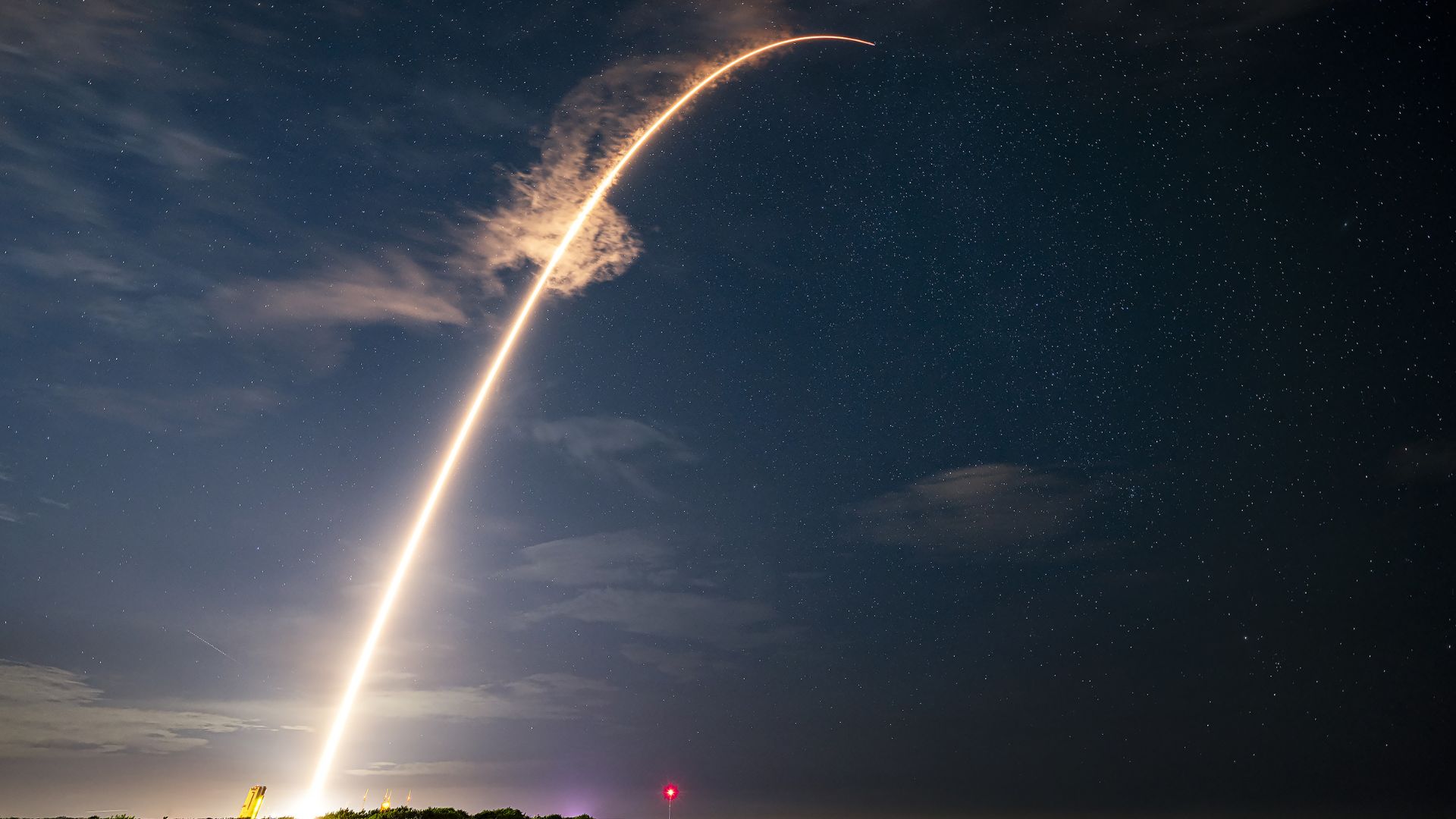
The latest launch reinforces a pattern that has defined the X-37B since its first flight: steady progress, practical testing, and lessons that shape the way the US military prepares for future challenges in space.








COMMENTS