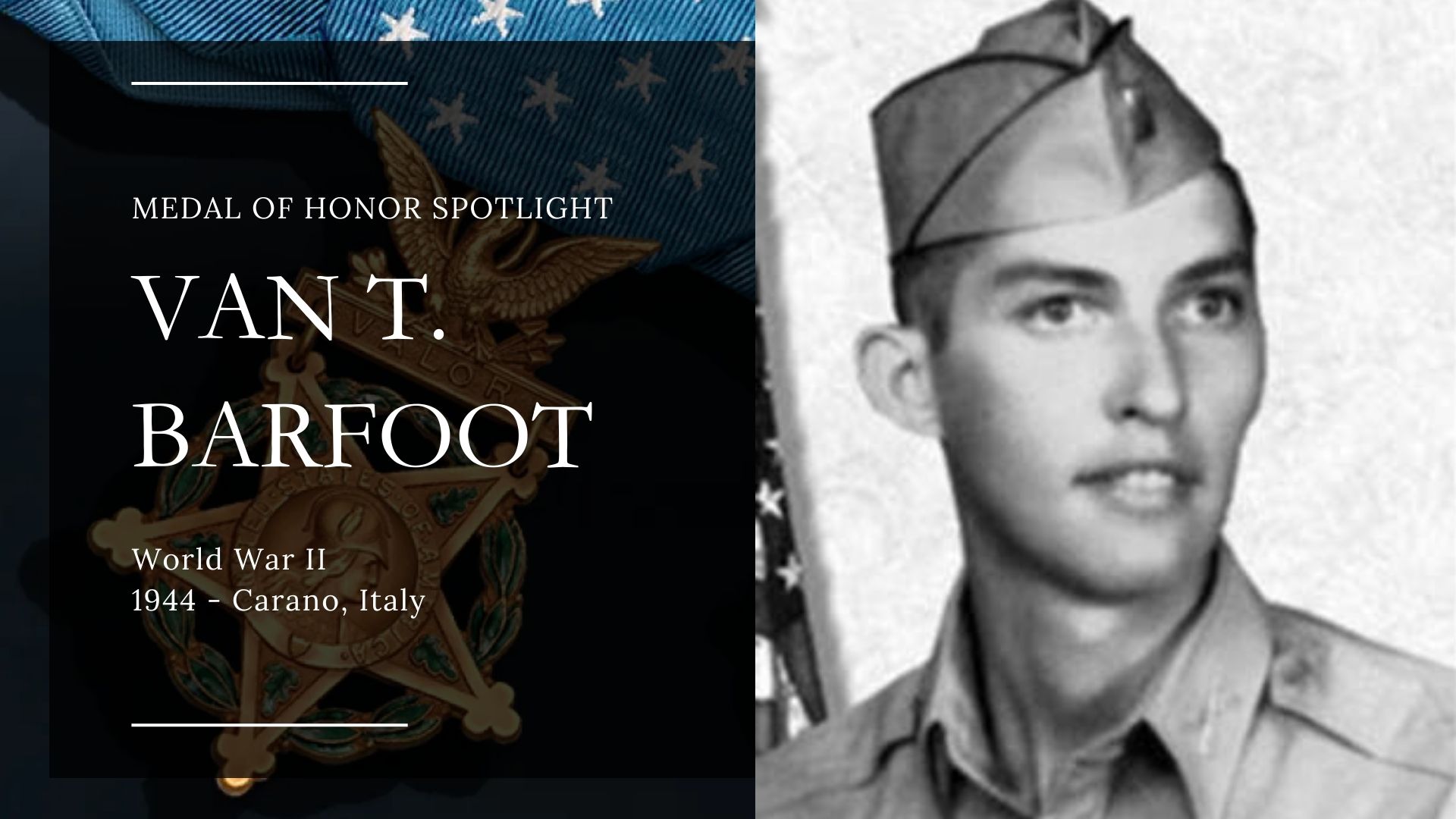
Medal of Honor Monday: Van T. Barfoot’s One-Man Assault at Carano Creek
From farm fields to battlefields, Van T. Barfoot’s courage at Carano Creek carried his men through one of WWII’s toughest fights.
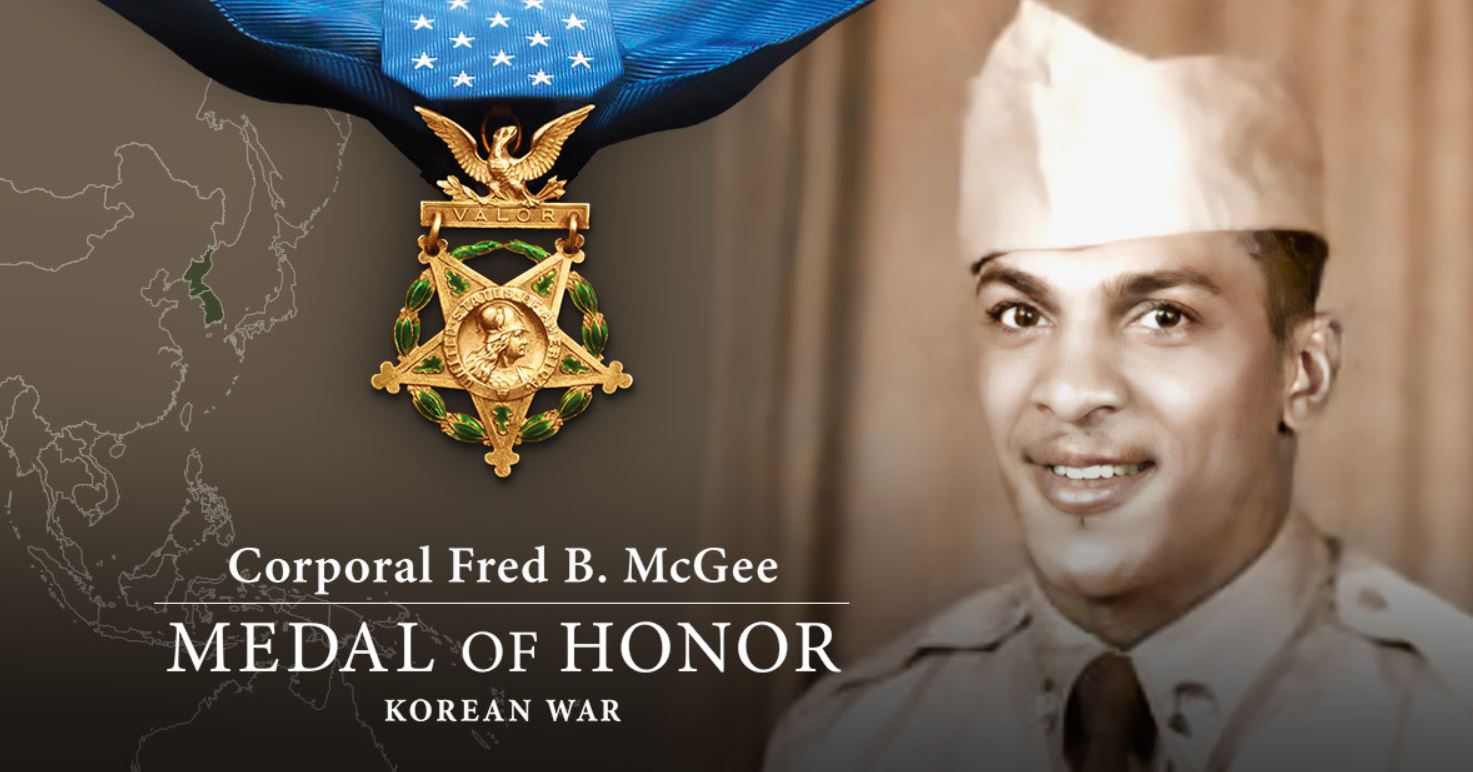
Fred B. McGee wasn’t chasing glory on that Korean hillside—he was just stubbornly, relentlessly doing his job, one impossible step at a time, until every man he could save was off that mountain alive.
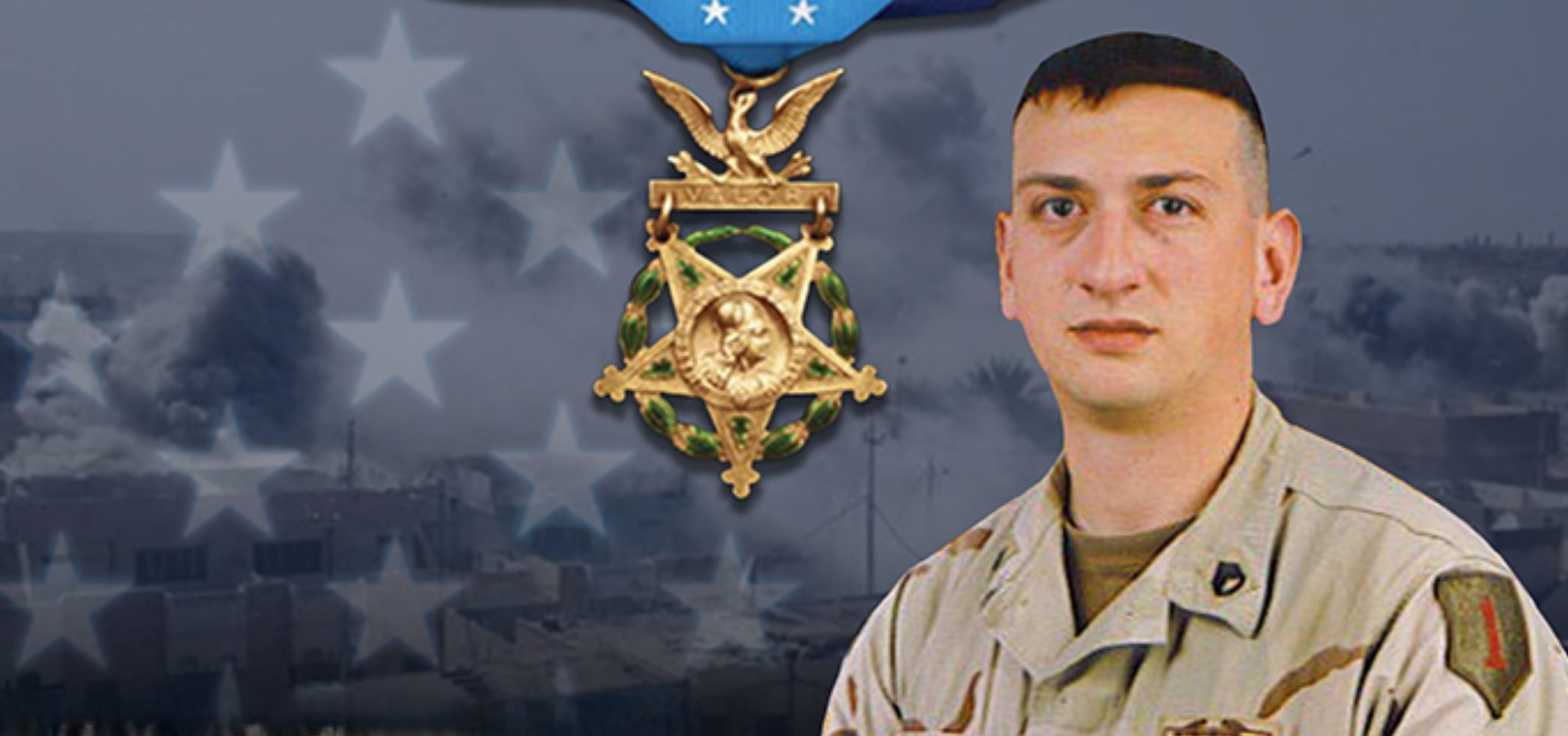
David Bellavia didn’t come back from Fallujah with swagger or speeches—he came back with ghosts, blood on his boots, and a vow that he’d never freeze again when the devil kicked in the door.
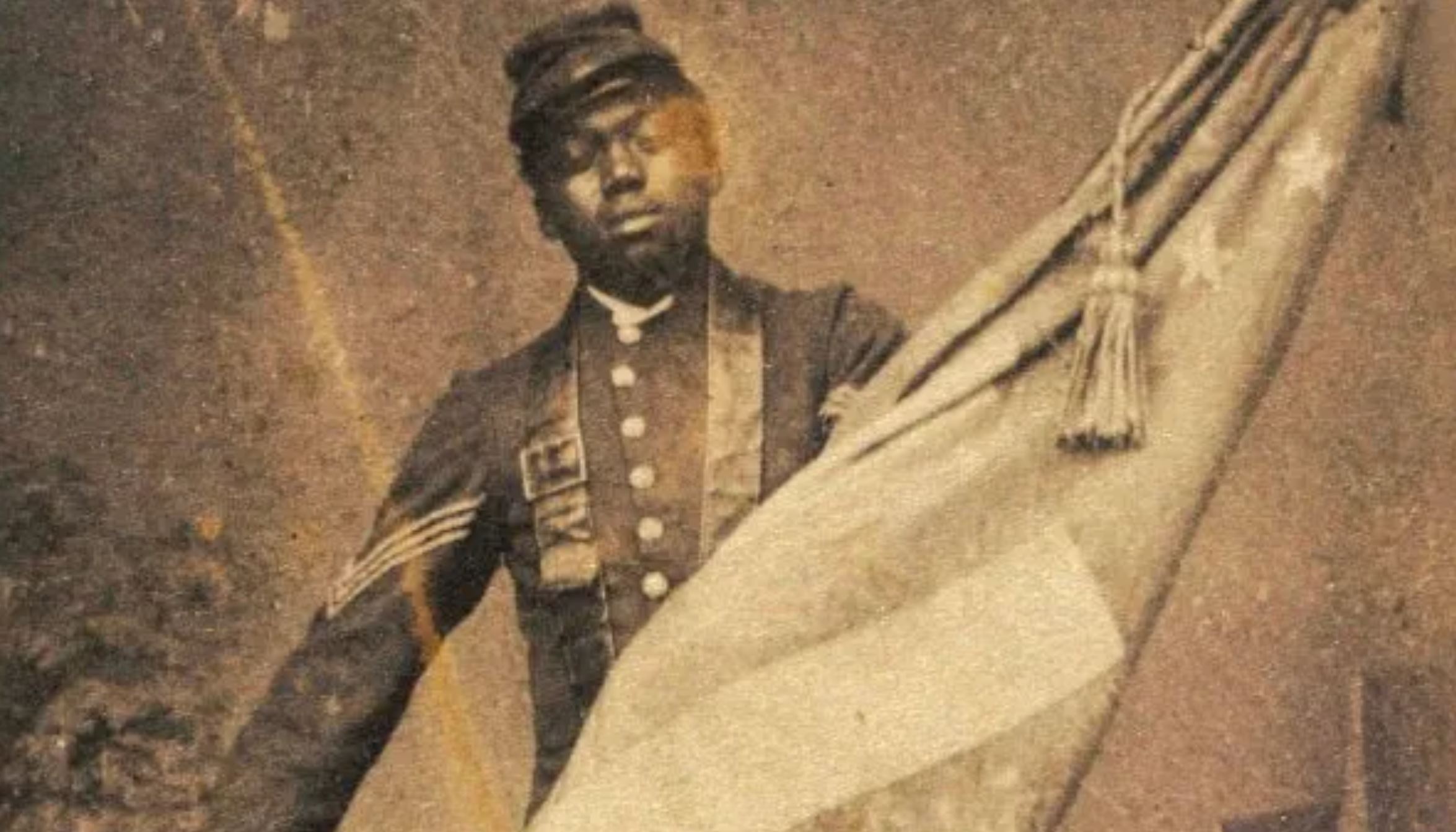
William Carney didn’t just carry the flag at Fort Wagner—he hauled the soul of a nation on his back through a storm of lead, and never let it fall.
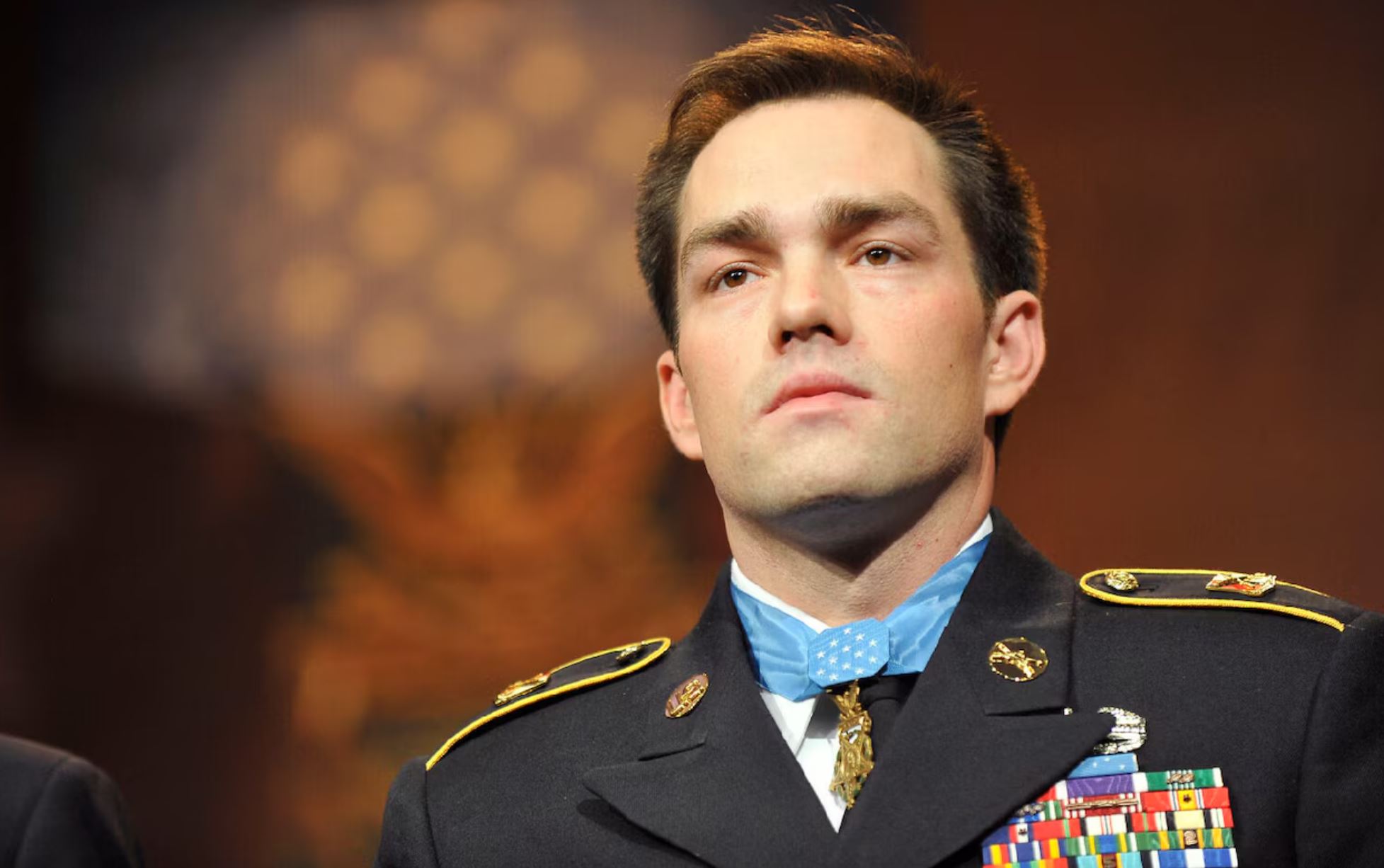
Clint Romesha didn’t fight for glory—he fought for the guy next to him, in a godforsaken valley that the brass called indefensible and he turned into a proving ground for grit.
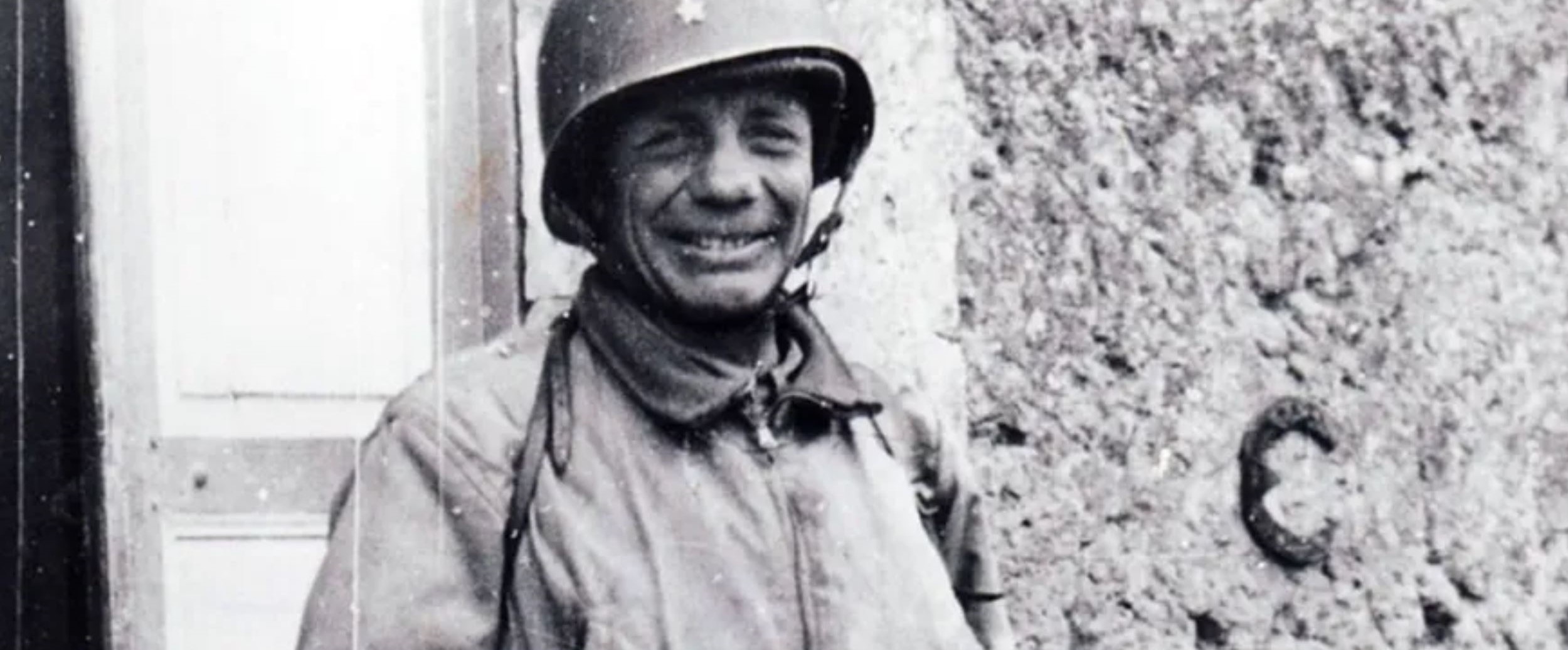
Theodore Roosevelt Jr. didn’t just carry his father’s famous name ashore on D-Day—he carried the fight, a cane, and the kind of guts that turned chaos into victory.
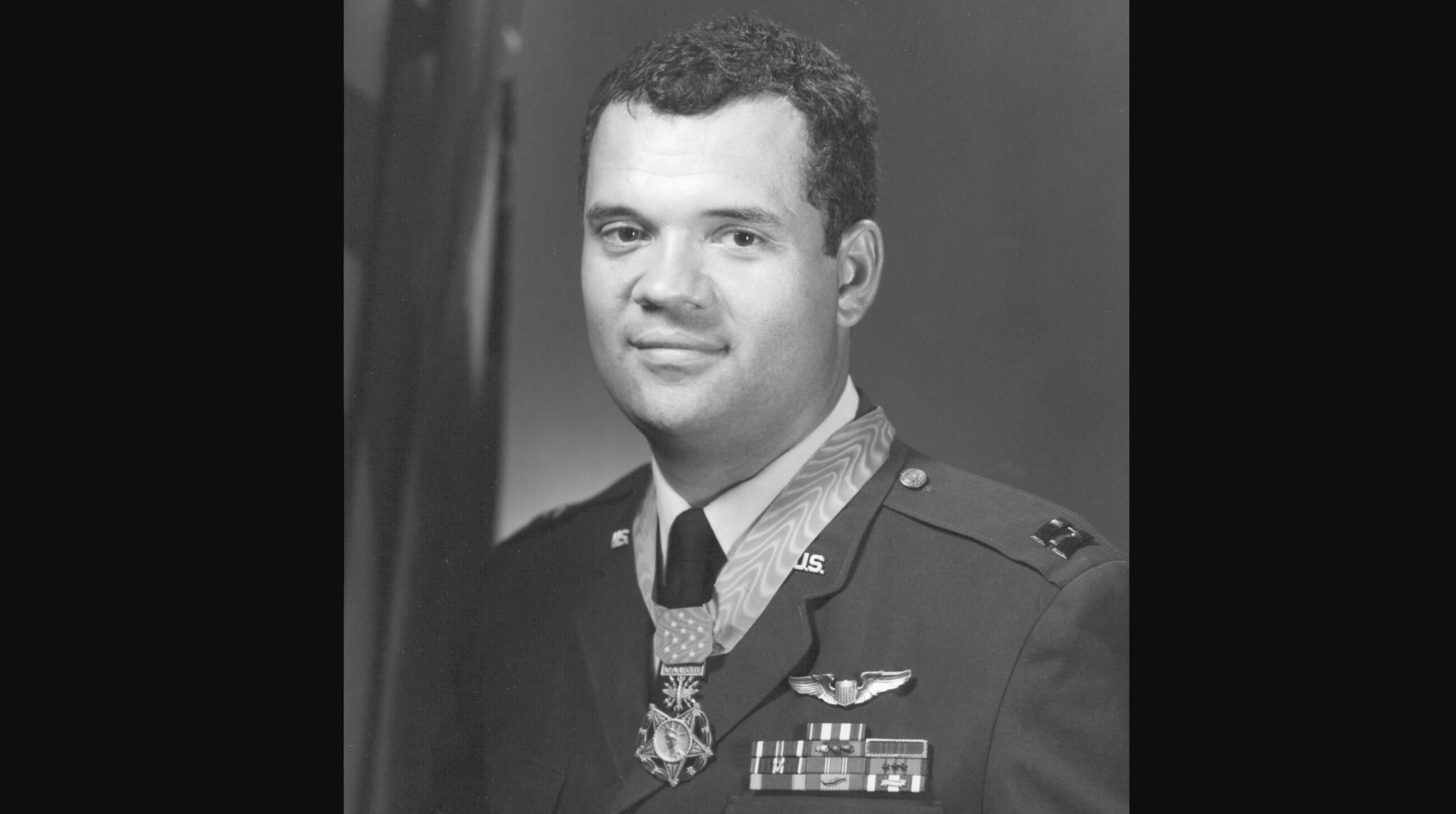
James P. Fleming didn’t fly into danger for medals or headlines—he did it because six men needed saving and he was the last man left who could do it.
Patrick Henry Brady didn’t earn the Medal of Honor by taking lives—he earned it by repeatedly risking his own to save them, one harrowing mission at a time.
He survived the Holocaust, became a US war hero, and saved dozens as a POW. Tibor Rubin’s story is one of grit, grace, and true courage.
Private Jacob Parrott, a young Ohio soldier, made history as the first-ever recipient of the Medal of Honor for his bravery during the daring Great Locomotive Chase of the Civil War.
Thomas Hudner’s crash-landing wasn’t just an act of courage—it was a declaration of brotherhood at a time when the world needed it most.