

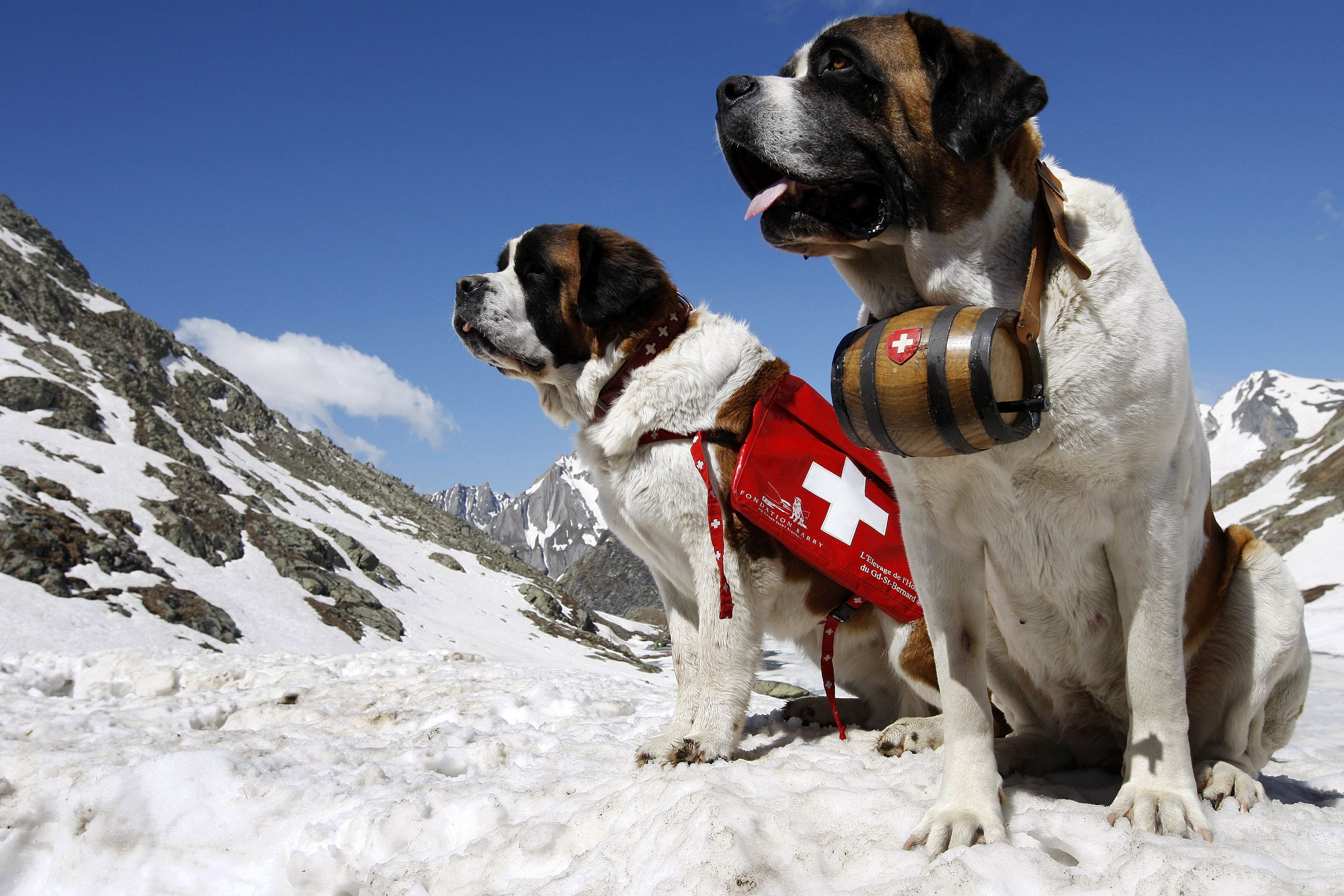
I was first introduced to this trope in the cartoons of the early 90’s, but since then I’ve seen it in a number of old movies as well. Even if you can’t cite a specific example, you’re familiar with the scene: an avalanche strands someone under the snow, survival looks bleak. Suddenly, a Saint Bernard comes huffing and puffing through the snow with a small barrel secured to his collar. Inside, the victim finds some lifesaving brandy, sure to warm him up and curb the pain until rescue arrives thereafter.
Yeah, you guessed it. This is a bad idea too. You may have noticed that having a drink or two makes you feel a bit warmer, and might even make your face flush a bit, so you could be excused for thinking that the booze was actually warming you up, but it actually serves to do the opposite.
“[Alcohol] causes the blood vessels in your skin to dilate, shunting blood from your core to your periphery,” explained Ted Simon, a neuroscientist and board-certified toxicologist who serves as an expert witness in drug and alcohol cases. “Your body temperature isn’t actually changing; you’re just redistributing the heat.”
Your body naturally restricts blood flow to your extremities and your skin’s surface when you’re cold in order to keep the important stuff, like your vital organs, functioning. Having a few drinks in the cold, however, makes your body work sort of like the radiator on your truck, pumping the warm blood up to the surface of your skin, making you feel warm and look flush, but actually exposing more blood to reduced temperatures and helping to usher in hypothermia.
 (Image courtesy of YouTube)
Myth #3: Using a defibrillator to restart a heart.
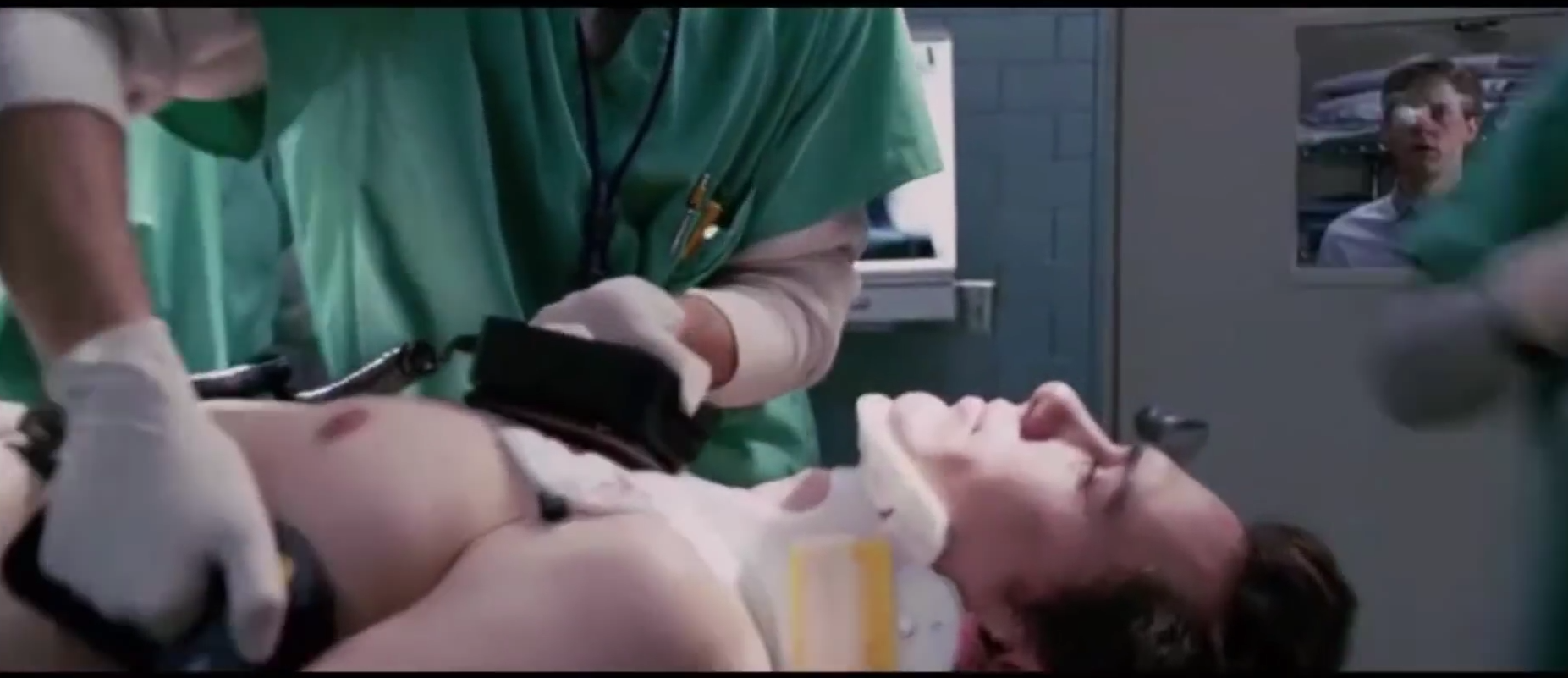
This may be among the most pervasive of medical myths that can be found anywhere in Hollywood: the magical defibrillator. You know the scene: doctors are scrambling to treat a patient with the telltale beeps of the heart monitor echoing over them, until the worst happens, and the beep transitions into a steady single note, indicating that the patient’s heart has stopped.
The doctor turns to his nurse and shouts, “paddles!” They roll the magic death-beating machine into the room, he places the two paddles on the patient’s chest and (again) shouts, “clear!” He proceeds to use the defibrillator to literally shock the patient’s heart back to life, beating back death’s cold grip and rescuing another patient from the afterlife.
You guessed it. Defibrillators don’t work that way. In actuality, defibrillators are specialized pieces of equipment intended to stop a heart when it’s beating erratically due to specific kinds of heart failure. In effect, as a heart begins to fail, cells in the heart will attempt to keep it pumping using an electrical current of their own, but these beats prove to be erratic and uneven. Doctors will use a defibrillator to shock the heart into ceasing an erratic beat like you might hit the reset button on your computer when it’s on the fritz – but that’s very different than using the charge to restart a heart, which can actually be done with drugs.
On the website for AED, a company that makes defibrillators, they explain what doctors actually do when a patient’s heart stops:
“When a person’s heart stops in a hospital and goes into the long beeeeeeeeeeeep noise, doctors will be rushing chaotically, but instead of grabbing paddles—they will be switching off chest compressions (CPR) to keep blood flowing to vital organs and trying to quickly solve the underlying problem of why the heart has stopped.” They write.
“Beyond that, medical professionals must administer drugs into the patient’s circulation to stimulate the electrical activity of the heart to start up again. If doctors can’t get the heart to restart in a reasonable amount of time, the patient will likely suffer so much brain damage that it’s more reasonable to stop efforts and let them go.”
Feature image courtesy of Wikimedia Commons








COMMENTS