

Step 2: The president convenes with military and civilian advisors
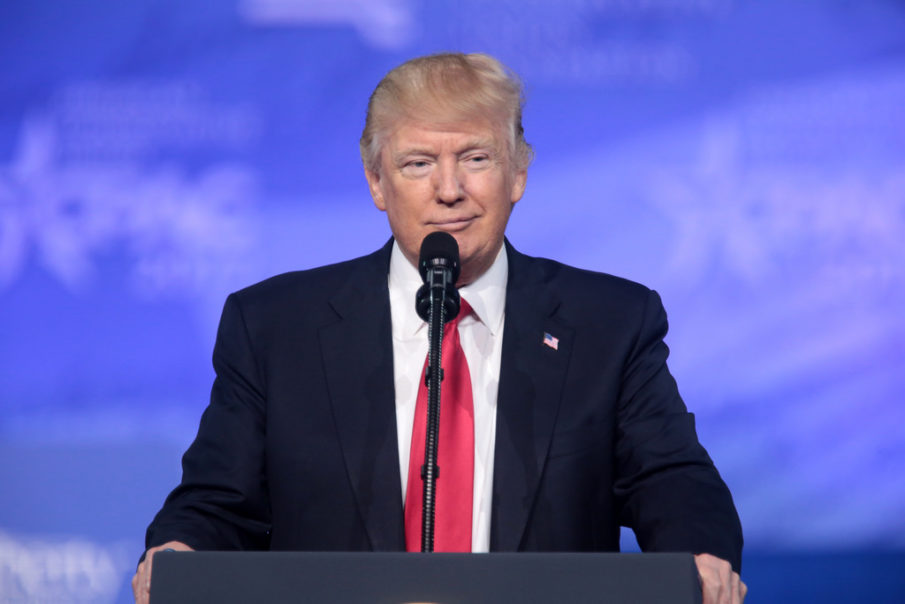
While the president does have the final say in launching a nuclear strike, no leader operates in a vacuum. In order to understand his tactical options, the possible strategic ramifications of launch, the likelihood of retaliatory strikes and what the potential fallout may be and so on, the president needs to confer with experts. If the enemy has already launched nukes, this meeting may be as brief as thirty seconds, but if he’s considering a first strike, this can carry on for as long as he chooses.
Step 3: The president chooses to launch
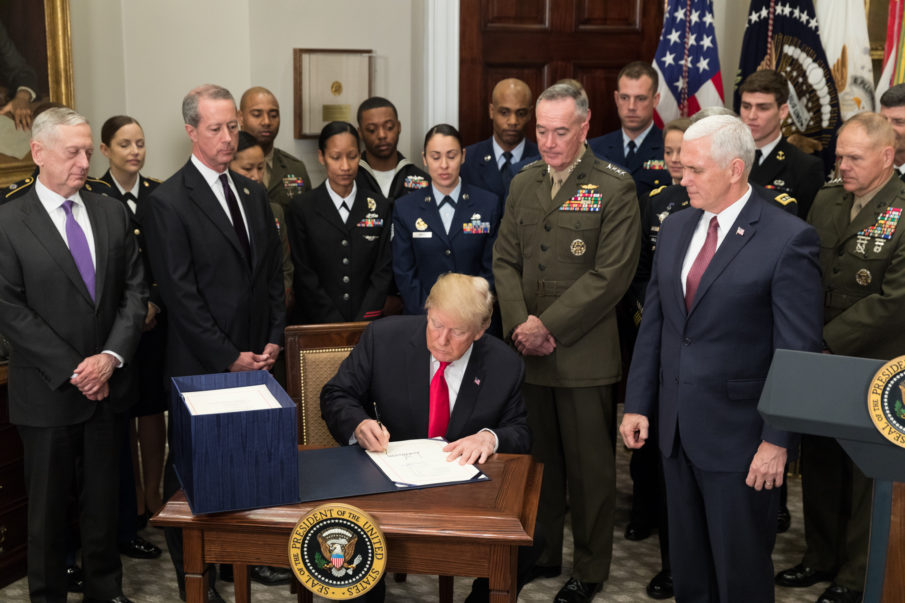
Some advisors will likely agree that a nuclear launch is the appropriate action to take (assuming it is) but others will undoubtedly try to change his mind. In a real life scenario, it may even be likely that some senior cabinet members could resign in protest, but ultimately, the president decides if a nuclear launch is the correct course of action.
Step 4: The senior officer in the War Room confirms the president’s identity
Once the president has decided to launch a nuclear strike, the senior military officer on duty in the War Room will confirm the man giving the order is indeed the president by offering a “challenge code,” which is often two phonetic letters from the military alphabet. The president will offer a response found on “the biscuit,” which is a laminated card either the president or a close aid carries at all times. With the appropriate response to the challenge code offered, the order is carried out.
Step 5: The order is transmitted
Once the order has been given and confirmed, military personnel within the War Room will prepare and transmit a launch command containing the chosen war plan, time to launch, authentication codes and the codes needed to unlock the missiles before they can be fired. All of this information fits within a message that’s only around 150 characters long – ironically right around the length of a tweet.
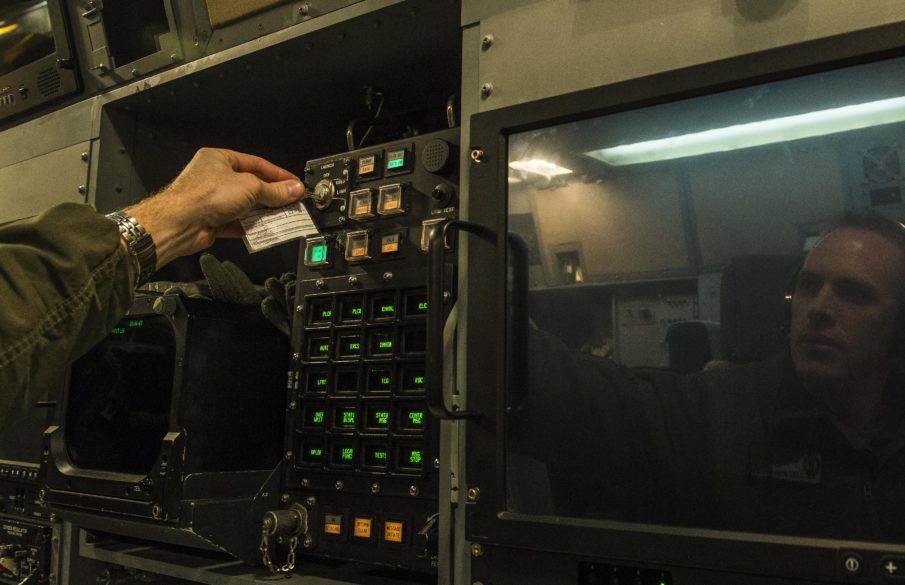
Step 6: Launch crews receive and confirm the authenticity of the order
Once the order arrives in the hands of launch crews aboard submarines, inside missile silos, or in air wings located around the world, they have to be certain the order is coming from appropriate channels. They open specialized safes provided by National Security Agency and compare the sealed-authentication system (SAS) codes provided in the order to the codes they have inside. Multiple officers (the number depends on if it’s in a submarine, silo, or air crew) must verify the codes are correct. If they match, launch crews begin preparations for launch.
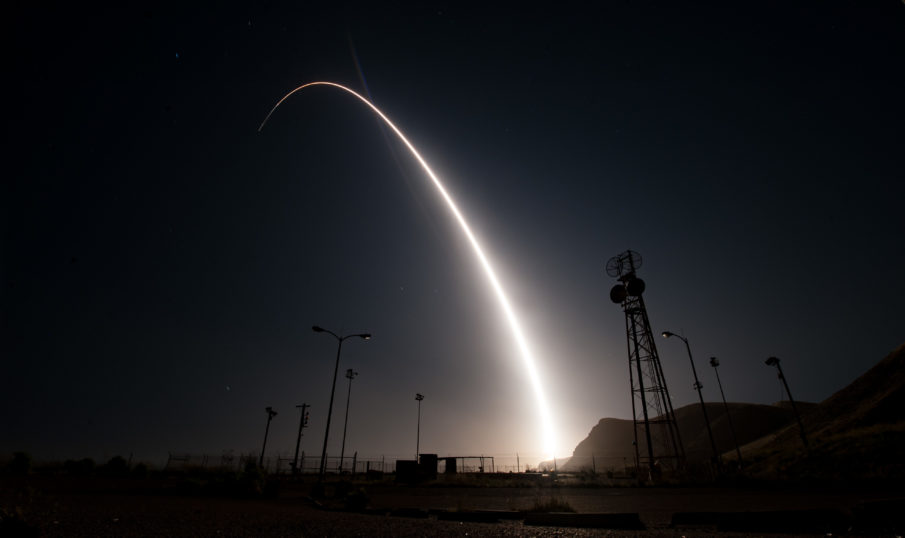
Step 7: Launch crews carry out the order
As soon as 15 minutes after the president decides to launch a nuclear strike, missiles can be in the air, traveling to targets on the other side of the globe.
While there is no button on President Trump’s desk, ultimately there is one – whether in a silo, on an airplane, or a trigger on a sub, that will release the nuclear weapon. That terrible responsibility will ultimately fall on American’s military personnel, rather than the president himself.
Feature image courtesy of Wikimedia Commons








COMMENTS