
The memorandum reflects a broader push from the Pentagon and the White House to rapidly expand the US military’s drone manufacturing and operational use.
Defense Secretary Pete Hegseth has also launched efforts to streamline organizations across the Department of Defense, cutting down on overlapping offices and sprawling staffs.
Phelan’s plan appears aligned with those priorities.
Lessons from Past Efforts
The Navy’s record on unmanned system integration has been uneven.
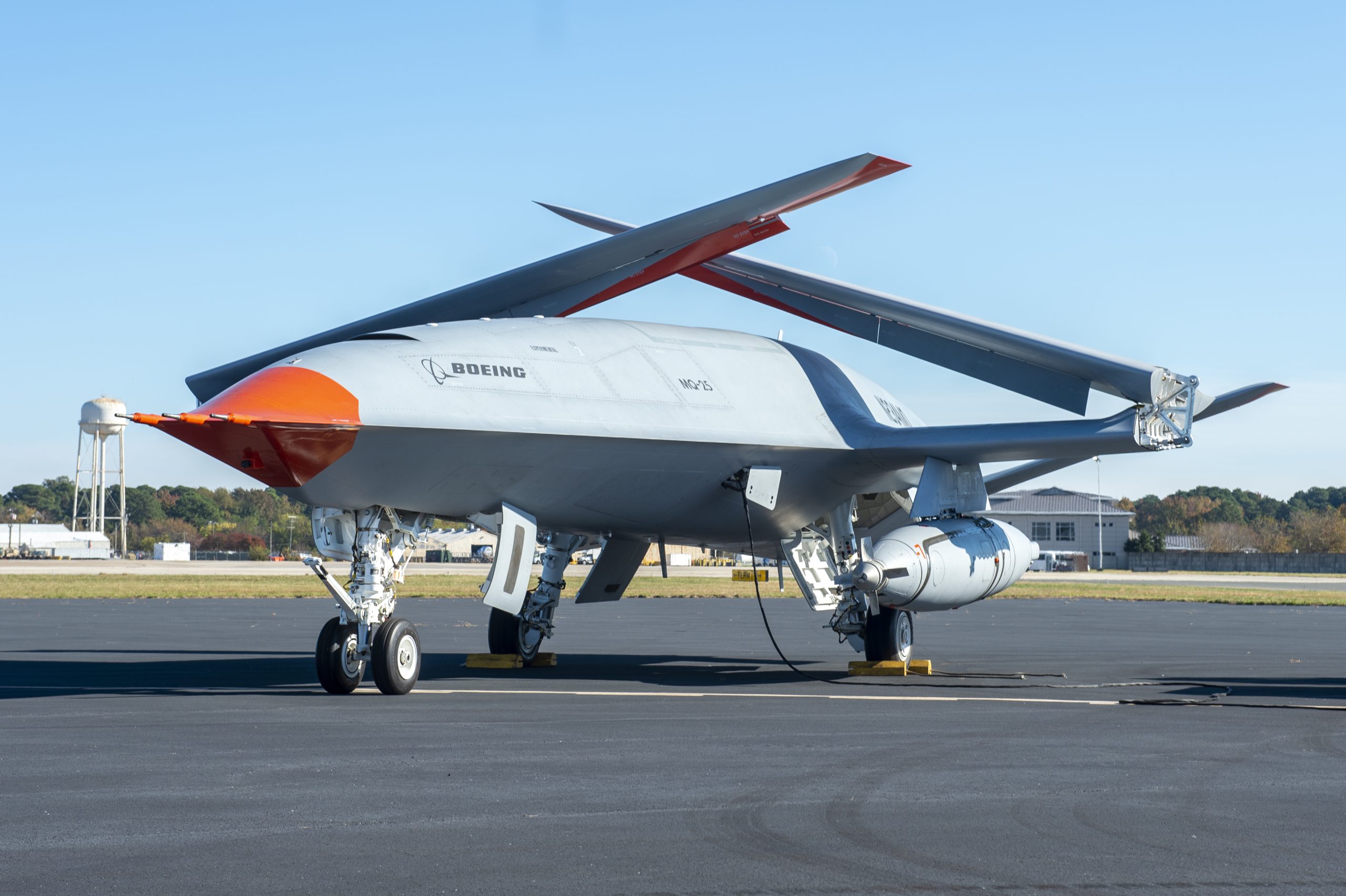
In 2015, then-Secretary Ray Mabus created a deputy assistant secretary for unmanned and the N-99 unmanned warfare systems directorate to coordinate development of platforms such as the MQ-25A Stingray, an unmanned carrier-based tanker. Both offices were eventually absorbed or disestablished.
By 2018, the Navy shifted to a strategy of “mainstreaming” unmanned efforts into existing commands rather than giving them separate leadership.
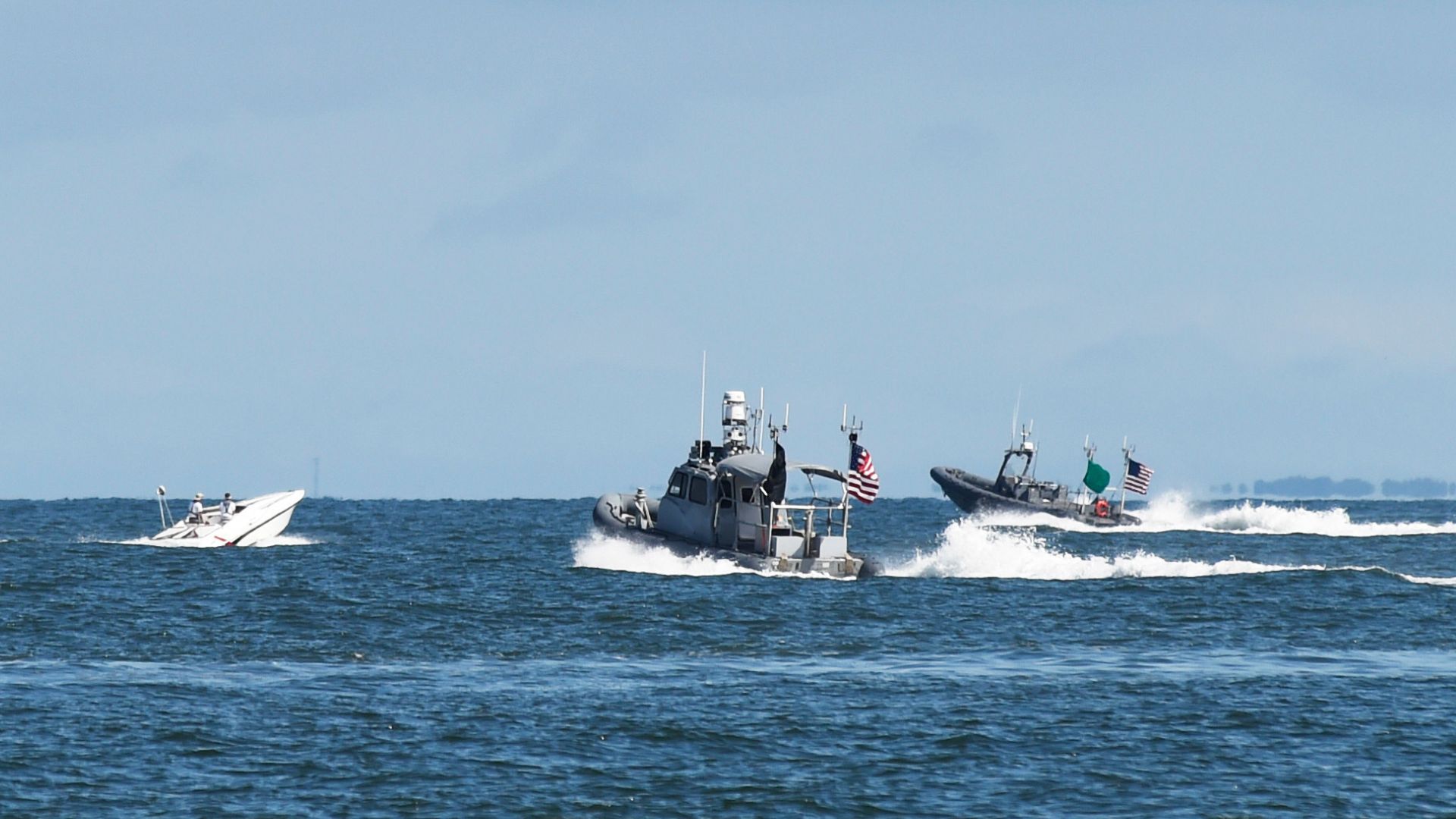
That approach slowed progress. Large-scale projects such as the Ghost Fleet Overlord ships and the Sea Hunter vessel came out of Defense Department programs rather than Navy-led initiatives.
Service-specific efforts like the MQ-25A and the XL Unmanned Underwater Vehicle (XL-UAV) have faced years of delays. Unmanned programs often became billpayers for manned priorities in budget submissions.
The new organizational structure signals that the Navy wants to correct course. By creating billets with explicit responsibility for robotics and autonomous systems, Phelan aims to provide continuity and focus.
The Role of the Naval Rapid Capabilities Office
Okano is already playing a central role in the Navy’s innovation portfolio as head of the Naval Rapid Capabilities Office (NRCO), created in August.
The NRCO combines several organizations, including NavalX, the Navy’s contribution to the former Replicator initiative, and the disruptive capabilities office.
While Phelan’s September 3 memo does not explicitly mention the NRCO, the overlap in leadership suggests that the office will serve as a key player in implementing the new RAS structure.
Industry Reaction
The restructuring has been welcomed by industry groups that have long pressed for clearer Navy leadership on unmanned systems. The Association for Uncrewed Vehicle Systems International, a lobbying group for the unmanned sector, praised the move.
“The dedicated RAS team creates the required structure and urgency needed to restore Congressional confidence and finally turn innovation into deployable capability,” Michael Robbins, the group’s president and CEO, said in a statement. “This step is long-overdue recognition that uncrewed systems are not just enabling tools, they are strategic capabilities critical to achieving the Navy’s mission in a rapidly evolving maritime domain.”
Industry has reason to be encouraged. In addition to the new organizational focus, Congress has recently approved supplemental defense spending that provides $2.1 billion for medium unmanned surface vessels and $1.53 billion for other unmanned programs.
The Navy has also begun soliciting proposals for new platforms, including the Modular Attack Surface Craft, which is envisioned as a containerized, long-range vessel capable of carrying payloads at speed.
Looking Ahead
Phelan’s initiative reflects a recognition that unmanned systems are no longer experimental projects but core capabilities that must be integrated into the fleet. The Navy’s surface and subsurface systems are currently managed by Naval Sea Systems Command, while unmanned aviation assets are under Naval Air Systems Command.
The September 3 memo does not specify how those portfolios will be affected, but consolidation into a unified RAS organization would represent a significant change.
The next several months will determine whether the Navy can deliver on its new vision. The sprint led by Okano is expected to provide clarity on how the new offices will function and how quickly the Navy can transition to a more streamlined and accountable strucfuture of naval warfareture. If successful, the effort could mark a turning point for the service’s long-struggling unmanned enterprise.
For now, the Navy is pressing pause, taking stock, and charting a new path. Within 90 days, Phelan expects the Navy’s new robotic and autonomous systems leadership team to be in place and ready to accelerate the deployment of technologies that could shape the future of naval warfare.








COMMENTS