Op-Ed

The Bolduc Brief: A Critical Examination of Military Engagement in Venezuela – The Case Against Current Strategies

We are posturing for a fight in Venezuela without a coherent strategy, bleeding scarce combat power and credibility in pursuit of a mission that serves politics more than the security of the American people.

The global political landscape often necessitates strategic military readiness, with nations prepared to respond to threats in various forms. However, as the current environment surrounding U.S. military presence in Venezuela indicates, the notion of “setting the table” for potential military action represents not just a miscalculation but a misallocation of resources and priorities. The approach taken by the Trump administration in this context is particularly concerning, as it appears detached from comprehensive policy, coherent strategy, and critical logistical planning.

Advertisement

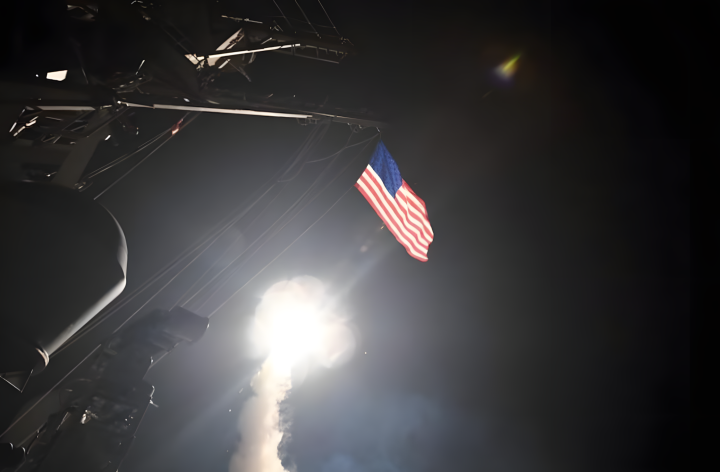
At the forefront of this discussion is the deployment of the USS Gerald Ford, a state-of-the-art aircraft carrier that has been pulled from more pressing operations in the Mediterranean to support what is being characterized as a lower-priority mission against Venezuela. This move not only reflects poor management of combat assets but also indicates an alarming trend towards overzealous military posturing. The U.S. does not need to surge naval resources to exert pressure on Venezuela; rather, such actions may yield significant economic and political costs with minimal gains.

According to the Secretary of Defense, the mission is portrayed as a means to “defend our Homeland, remove narco-terrorists from our Hemisphere, and secure our Homeland from the drugs that are killing our people.” This mission statement, while rooted in a noble cause, raises substantial concerns when scrutinized against the backdrop of U.S. capabilities and strategic interests. The assertion lacks a detailed framework—there is no outlined policy or operational plan to effectively execute such ambitions, revealing a fundamental disconnect between rhetoric and tactical feasibility. The reality is that without a clearly defined strategy, the United States will find itself embroiled in a quagmire that not only drains the military’s resources but also undermines its core objectives.

Moreover, the financial implications of pursuing military action in a nation like Venezuela cannot be overlooked. Engaging in what would likely be an extended military operation presents enormous costs, both in terms of financial expenditure and manpower. Recent history illustrates that such military ventures frequently impose a heavy toll on American resources, and the return on investment is often negligible if not detrimental. The current strategy appears ill-conceived and misaligned with pragmatic governance.

Advertisement

Critically, this escalatory stance stands in stark contrast to the principles of “Make America Great Again” (MAGA), which espoused a vision of reduced military engagement and a focus on prioritizing American resources at home. The expansion of military operations contradicts this philosophy, causing a rift between policy and the core values that the Trump administration purportedly champions. It is essential for any administration to maintain coherence between its military objectives and its broader political platform, lest it risk alienating its base and contributing to international unrest.

There is considerable reason to suspect that high-ranking military officials and admirals recognize the shortcomings of this approach. However, the culture of military hierarchy often stifles dissent, creating an environment where those who voice opposition may face professional consequences. The potential for career repercussions poses a barrier to candid dialogue about the efficacy of military interventions, resulting in recommendations that may not align with the best practices or strategic wisdom.

Advertisement

In conclusion, the present circumstances surrounding potential military action in Venezuela illustrate a misfired policy approach that is both costly and counterproductive. The Trump administration’s current strategy lacks the necessary components of a successful military operation, including a coherent framework for execution and a clear understanding of the geopolitical landscape. Instead of escalating tensions, the focus should shift towards diplomatic solutions, regional partnerships, and a reevaluation of military engagement principles that align with the true interests of the United States and its citizens. It is time to reconsider our strategies and refocus on a pathway that emphasizes resolution through dialogue, not conflict.

Donald C. Bolduc

Advertisement

You must become a subscriber or login to view or post comments on this article.