Headline

Morning Brief: Ukraine Peace Talks Resume; Nigeria Reels From Deadly Attacks

Ukraine and Russia resume U.S.-brokered peace talks as Washington expands missile production and Nigeria reels from a mass-casualty attack amid regional insecurity.

Second Round of U.S.-Brokered Talks Begins in Abu Dhabi

Officials from Ukraine and Russia began a second round of U.S.-brokered peace discussions this week in Abu Dhabi, resuming a diplomatic process that has so far produced no formal agreements. The talks, facilitated by the United States, follow an initial January meeting that ended without progress on ceasefire terms or political concessions.

Advertisement

The format remains trilateral, with U.S. officials acting as intermediaries rather than direct negotiators. According to officials familiar with the discussions, the agenda is limited to humanitarian issues, prisoner exchanges, and mechanisms intended to reduce escalation risks. Core disputes over territory, sovereignty, and Ukraine’s long-term security orientation are not expected to be resolved in the current round.

Ukrainian officials have reiterated that any agreement must preserve territorial integrity and include enforceable security guarantees. Russian representatives continue to demand recognition of territorial control and limits on Ukraine’s military alignment, positions that Kyiv has rejected.

Energy Strikes Deepen Strain on Kyiv

The talks come as Ukraine faces renewed pressure on its civilian infrastructure, particularly its power grid. Russian missile and drone strikes have forced emergency power outages in Kyiv and other major cities, underscoring the ongoing vulnerability of Ukraine’s energy system after nearly three years of sustained attacks.

Advertisement

Ukrainian energy officials have implemented rolling blackouts to stabilize the grid following damage to transmission facilities and generation capacity. While authorities say critical infrastructure continues to function, the outages have disrupted daily life and placed additional strain on municipal services during winter conditions.

The power outages underscore a broader strategic challenge for Kyiv. While frontline fighting has remained relatively static, Russia has sustained pressure through long-range strikes on civilian infrastructure. Ukrainian officials warn that continued attacks on the energy system risk undermining economic stability and public morale, even without major territorial gains.

Advertisement

Western partners have provided air defense systems and repair assistance, but Ukrainian authorities acknowledge that protecting all critical nodes remains difficult given the scale and frequency of attacks.

Tactical Situation Shows Slowing Russian Advances

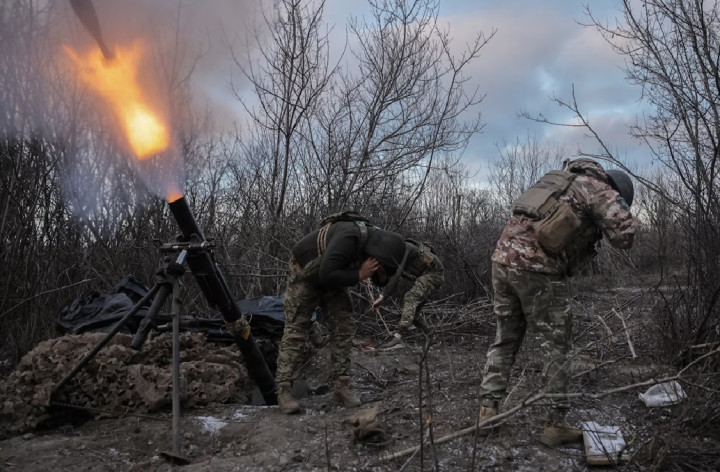
On the battlefield, recent assessments indicate that Russian advances slowed in January after months of incremental gains in eastern Ukraine. Analysts attribute the slowdown to a combination of Ukrainian defensive adaptations, terrain constraints, and mounting Russian personnel and equipment losses.

Russian forces continue to apply pressure along key sectors, but progress has come at high cost. Ukrainian units have focused on attritional defense, leveraging drones, artillery, and prepared positions to blunt assaults rather than conducting large-scale counteroffensives.

Advertisement

Military analysts caution that the slowdown does not indicate a decisive shift in momentum. Russian forces retain the ability to sustain pressure through manpower and firepower advantages, even if gains remain limited and costly. For Ukraine, the tactical picture reinforces the challenge of maintaining defensive capacity amid ammunition shortages and infrastructure strain.

Diplomatic Engagement Continues Amid Endurance Planning

U.S. officials involved in the Abu Dhabi talks have described the discussions as a way to maintain communication, not a path to a near-term settlement. The talks are intended to prevent diplomatic collapse, even as battlefield conditions make rapid compromise unlikely.

Washington’s approach mirrors its broader policy posture: sustaining military and economic support for Ukraine while keeping diplomatic channels open. Defense planners continue to operate on the assumption that the conflict will persist, shaping procurement decisions, alliance planning, and budget priorities.

For Kyiv, the talks represent one track of a multi-layered strategy focused on endurance. With energy infrastructure under pressure and military operations locked in attritional patterns, Ukrainian leaders are balancing diplomatic engagement with preparations for a prolonged conflict.

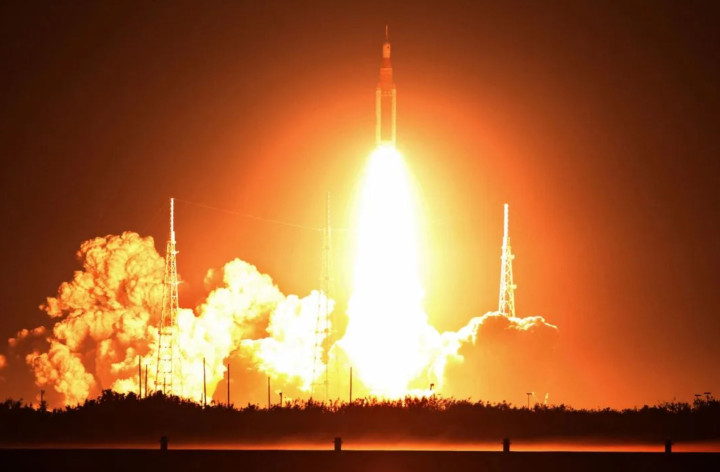
missile launch
An SM-3 interceptor missile is launched from a U.S. Navy cruiser during a test, in an undated handout image released by the Missile Defense Agency. (MDA via Naval News)

Raytheon to Increase Missile Production Under Pentagon Agreements

The Pentagon has finalized new agreements with Raytheon to expand missile production capacity. The move signals a shift toward long-term industrial readiness rather than short-term replenishment. The deals will increase output of key munitions that have seen heavy demand during the war in Ukraine and other global contingencies.

Defense officials said the agreements include multiyear procurement commitments intended to give industry predictable demand and justify investments in manufacturing infrastructure. The move reflects growing concern over depleted stockpiles and the limits of surge production under the existing defense industrial base.

Missile systems covered under the expansion include air defense interceptors and precision strike weapons used by U.S. forces and allies. Officials noted that rebuilding inventories drawn down since 2022 will take several years, even with increased production rates.

Industrial Base Adjusts to Sustained Conflict Environment

Pentagon leaders have increasingly framed munitions production as a strategic priority comparable to force posture or alliance management. The emphasis has shifted away from cost optimization toward resilience, throughput, and the ability to sustain prolonged operations.

The Raytheon agreements follow similar efforts across the defense sector aimed at maintaining warm production lines and reducing dependence on fragile supply chains. Officials have acknowledged that the industrial base was not designed for extended high-intensity conflict involving a major conventional power.

For U.S. allies, expanded production capacity offers reassurance that Washington can continue to supply critical systems over time. For potential adversaries, it signals that the United States is institutionalizing its ability to sustain large-scale military commitments.

U.S. Air Force Tests Rapidly Developed Cruise Missile

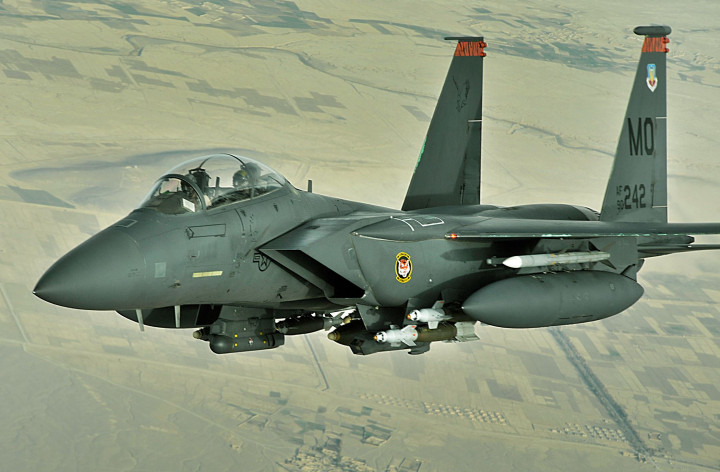
In a parallel development, the U.S. Air Force has completed a successful test of a newly developed cruise missile produced under an accelerated acquisition timeline. The test reflects an effort to compress the traditional design-to-fielding cycle and adapt more quickly to evolving threats.

The missile was developed through a rapid prototyping process that emphasized speed and flexibility over the lengthy development timelines associated with legacy programs. While specific technical details remain classified, officials said the test demonstrated the ability to integrate new weapons into existing platforms with minimal delay.

Air Force leaders have described the approach as essential in an environment where adversaries are fielding new systems faster and in greater numbers. Rapid development is increasingly viewed as a core capability rather than an experimental exception.

Implications for Future U.S. Force Planning

Together, the missile production expansion and rapid-development test point to a broader recalibration of U.S. defense planning. The Pentagon is preparing for a security environment characterized by sustained demand, overlapping crises, and limited warning times.

Officials have indicated that similar approaches may be applied across other weapons categories, particularly those central to deterrence and long-range strike. The shift reflects lessons drawn from Ukraine and from broader assessments of competition with peer adversaries.

Mass-Casualty Attack Kills at Least 160 in Northern Nigeria

Nigerian soldier technical
A Nigerian soldier loads his machine gun during training at the Multinational Joint Task Force military base, Sector 3 Headquarters, in Monguno, Borno state, Nigeria, July 5, 2025. (Joris Bolomey/AFP via Getty Images)

At least 160 people were killed this week in coordinated attacks on several villages in northern Nigeria, according to local authorities and humanitarian groups. Gunmen set homes on fire and shot residents as they tried to flee. The assault was among the deadliest in the region in recent years.

The violence follows a broader rise in attacks across northern Nigeria, where armed groups have stepped up operations against rural communities. Officials have not formally identified those responsible, reflecting the fragmented and overlapping nature of armed groups in the area.

Northern Nigeria has faced persistent insecurity driven by insurgency, criminal banditry, and local conflicts. Jihadist groups remain active in the northeast, while the northwest has seen a surge in mass kidnappings and village raids carried out largely for ransom.

Nigerian Security Forces Under Pressure

Nigerian military and police units have launched operations in response to the attacks. Officials say limited resources and difficult terrain complicate efforts to secure remote areas. Security forces remain stretched across multiple regions, facing insurgents and organized criminal networks.

The scale of the latest attack has renewed scrutiny of Nigeria’s internal security strategy. Analysts say armed groups show growing coordination and access to heavy weapons.

Humanitarian organizations warn of rising displacement as residents flee affected areas. The movement is placing added strain on local authorities and aid providers.

Reports of Possible U.S. Troop Deployment

Separate reporting has indicated that the United States is in discussions with Nigerian authorities regarding an expanded security presence. If confirmed, any U.S. troop deployment would likely be limited to advisory, training, or intelligence support roles rather than direct combat operations.

U.S. officials have emphasized that no new combat mission has been authorized. Nigeria has historically been sensitive to foreign military presence, and any deployment would require careful political coordination with Abuja.

The discussions reflect broader U.S. concern over deteriorating security conditions in West Africa, where multiple governments are struggling to contain armed groups amid political and economic instability.

Regional and Strategic Implications

Nigeria’s security challenges have implications beyond its borders, affecting regional stability, migration patterns, and international counterterrorism efforts. West Africa has experienced a series of coups and rising militant activity, complicating external engagement.

For U.S. policymakers, the situation presents a familiar challenge: how to support a key partner facing severe internal threats without becoming drawn into an open-ended commitment. Even limited involvement would signal heightened concern about the trajectory of violence in the region.


Advertisement

What readers are saying

Generating a quick summary of the conversation...

This summary is AI-generated. AI can make mistakes and this summary is not a replacement for reading the comments.