The talks in Oman are expected to be indirect, with intermediaries facilitating communication between the two sides. U.S. officials have said discussions will focus narrowly on nuclear issues, including uranium enrichment levels, monitoring, and verification.
Iranian officials have said sanctions relief is central to any agreement and reiterated that Tehran considers its nuclear program peaceful. U.S. officials have maintained that diplomacy remains the preferred path but have repeated that other options remain available if negotiations fail to constrain Iran’s nuclear activities.
The only acceptable deal is one in which the Islamic Republic surrenders to the people of Iran.
We are ready for such a deal and it will bring peace to the region and the world.
— Reza Pahlavi (@PahlaviReza) February 5, 2026
Tanker Seizures Intensify Pressure on Diplomacy
Tensions have been amplified by Iran’s recent seizure of multiple oil tankers transiting the Persian Gulf and the Gulf of Oman, waterways that carry a significant share of global energy exports.
According to U.S. officials and maritime monitoring organizations, Iranian forces boarded and detained foreign-flagged or foreign-operated vessels, citing alleged maritime violations. In at least two incidents near Iran’s Farsi Island, crew members were taken into judicial custody.
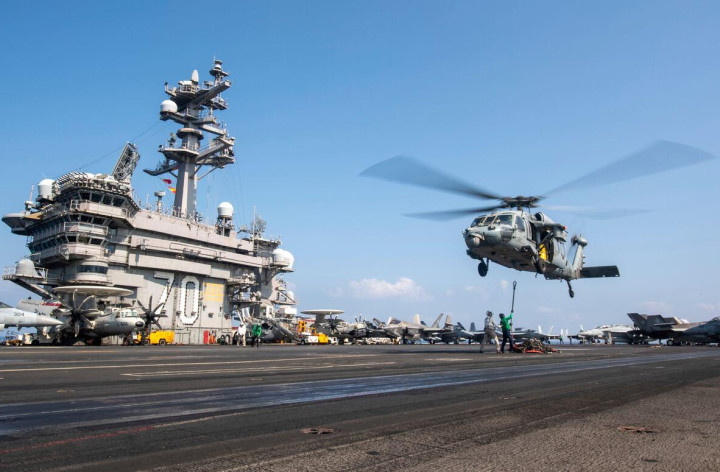
In a separate incident earlier this week, armed Iranian boats approached a U.S.-flagged oil tanker in the Strait of Hormuz, prompting a U.S. Navy warship to escort the vessel to safety, according to maritime security sources.
The seizures disrupted commercial shipping and prompted renewed warnings to maritime operators operating near Iranian waters. U.S. officials accused Tehran of using tanker seizures as leverage during periods of diplomatic pressure, a claim Iran has denied.
Iranian state media described the actions as lawful enforcement of maritime regulations and accused the United States of destabilizing the region through sanctions and military deployments.
Energy markets and regional allies are closely watching the talks in Oman for signs of de-escalation, as maritime security and nuclear diplomacy increasingly intersect.

Nuclear Arms Control in Focus as U.S.–Russia Treaty Expires
The Iran talks are unfolding against a broader backdrop of strategic nuclear uncertainty, as the last remaining nuclear arms control treaty between the United States and Russia has expired, raising concerns about the future of bilateral limits on deployed nuclear weapons.
The New START treaty, which capped the number of deployed strategic nuclear warheads and delivery systems, lapsed this week after years of deteriorating relations between Washington and Moscow. The treaty had already been largely suspended in practice following Russia’s invasion of Ukraine and Moscow’s withdrawal from inspections.
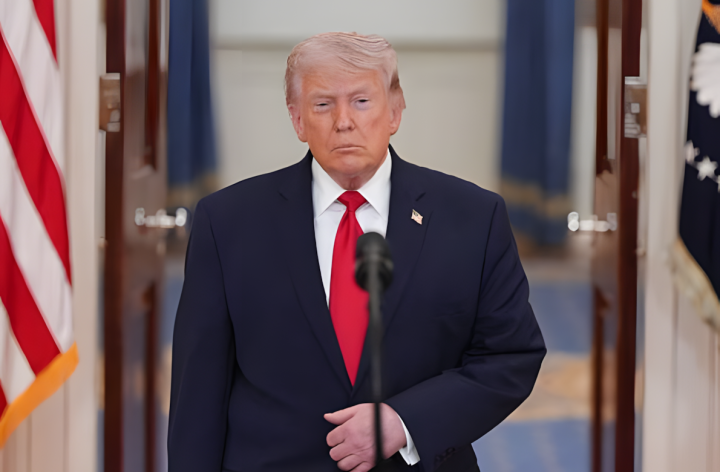
Former U.S. President Donald Trump, now a leading political figure ahead of the U.S. election, said this week that the expiration of the treaty highlights the need for a new nuclear pact that includes not only Russia but also China.
Trump said any future agreement should reflect changes in the global balance of power and account for advances in nuclear capabilities, missile defenses, and emerging technologies.
U.S. defense officials have warned that the absence of binding limits increases the risk of miscalculation and accelerates pressure on U.S. nuclear modernization programs. The Pentagon has said it is prepared to adjust force posture if Russia expands its deployed arsenal beyond previous treaty limits.
Russian officials have said responsibility for the treaty’s collapse rests with the United States and NATO, while reiterating that Moscow will continue to prioritize its own security interests.
China, which is not a party to existing U.S.–Russia arms control frameworks, has rejected calls to join trilateral negotiations, arguing that its nuclear arsenal remains far smaller than those of Washington and Moscow.
The treaty’s expiration adds another layer of complexity to an already strained global security environment, as nuclear diplomacy falters alongside rising tensions in the Middle East and expanded U.S. military operations at sea.

Epstein Files Renew Political Scrutiny in U.S. and Europe
Newly released documents and official statements this week renewed scrutiny of the late financier Jeffrey Epstein, prompting political responses in Europe and the United States and reviving questions about his network of international contacts.
The disclosures stem from the release of additional Epstein-related records in the United States, detailing interactions with political, financial, and social figures over several decades. Officials on both sides of the Atlantic emphasized that the materials are part of an effort to clarify historical records rather than reopen closed criminal cases.
Kremlin Rejects Intelligence Allegations
Russian officials moved quickly to dismiss claims circulating in Western media that Epstein may have acted as an intelligence asset, calling the allegations unfounded.
The Kremlin said there was no evidence linking Epstein to Russian intelligence services and described the claims as speculative. The denials followed renewed debate in parts of Europe over whether Epstein’s foreign contacts warranted closer scrutiny.
Polish Prime Minister Donald Tusk said the question of Epstein’s international connections merited serious examination, citing broader concerns about foreign intelligence services cultivating influence among Western elites. Tusk did not present new evidence but pointed to patterns described in investigative reporting and court filings.
UK Political Fallout Focuses on Post-Conviction Contacts
In the United Kingdom, the disclosures triggered political fallout after records showed senior figures had contact with Epstein after his 2008 conviction for sex offences.
Prime Minister Keir Starmer issued a public apology to Epstein’s victims, saying the revelations were serious and raised legitimate questions about judgment and vetting. Starmer said he did not know the full extent of the contacts when he made the senior appointments and pledged to increase transparency.
Former senior Labour figure Peter Mandelson resigned from the House of Lords and the Labour Party after acknowledging that he maintained contact with Epstein beyond what he had previously disclosed. Mandelson has denied any wrongdoing.
British police have opened an investigation into whether any misconduct occurred in relation to public office disclosures. Authorities have not announced any charges, and the investigation remains ongoing.
The controversy has added to broader political pressure on Starmer’s government, which has faced criticism over domestic challenges including housing shortages and rising homelessness. Recent data showing an increase in refugee homelessness has further strained local authorities, though the government said it is working to address wider housing pressures.
U.S. Releases Additional Custody Materials
In the United States, federal authorities released additional materials related to Epstein’s 2019 death in custody, including jail-cell video footage and log records from the Metropolitan Correctional Center in New York.
The U.S. Department of Justice said the release was intended to address public questions surrounding Epstein’s death, while reiterating that previous investigations concluded Epstein died by suicide.
Officials acknowledged continued public interest in the case and said further document reviews are ongoing. Several U.S. political figures also moved to distance themselves from Epstein amid renewed attention to his network of contacts, denying wrongdoing or undisclosed communications.
No government has formally accused Epstein of acting on behalf of a foreign intelligence service. Officials said ongoing disclosures are intended to provide transparency and establish an accurate public record.
Russian outlets report General Alekseyev is in critical condition after taking three bullets to the chest. HUR previously linked him to civilian missile strikes and sham referendums in occupied Ukraine. Footage from the assassination site has surfaced. https://t.co/93xe1zDhV4 pic.twitter.com/HVzMsAwLnS
— WarTranslated (@wartranslated) February 6, 2026
Senior Russian General Shot in Moscow
An assailant shot a senior Russian military general several times in central Moscow on Friday, Russian authorities and local media reported, in an apparent targeted attack.
Police and emergency services responded to the shooting near a major thoroughfare in the Russian capital. State news agencies reported that authorities transported the general to a local hospital with serious injuries, but officials have not provided an update on his condition or released his identity.
Moscow law enforcement officials launched an investigation into the incident and detained at least one suspect in connection with the shooting, according to initial reports. Authorities have not disclosed a motive.
Russian authorities did not immediately link the attack to broader geopolitical or domestic security tensions, and Kremlin officials declined to comment publicly on whether the incident was related to internal military disputes or foreign involvement.
The shooting is one of the most high-profile attacks on a senior military figure in Russia in recent years and comes amid ongoing scrutiny of Moscow’s security environment. Independent verification of details was not immediately available.
Moscow in uproar this morning after one of Putin’s top generals was gunned down as he was leaving his apartment building this morning.
Vladimir Stepanovich Alekseyev was a jey negotiator during the Prigozhin Wagner rebellion.
pic.twitter.com/etIAPpJAqy pic.twitter.com/CE9b0SCDbg— Kyiv Insider (@KyivInsider) February 6, 2026


COMMENTS