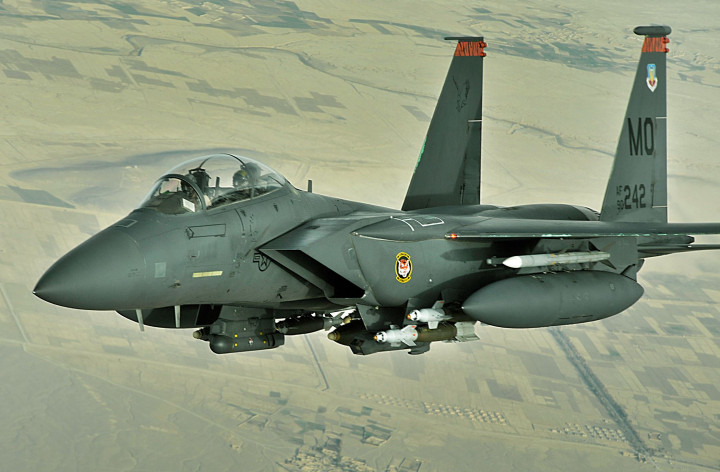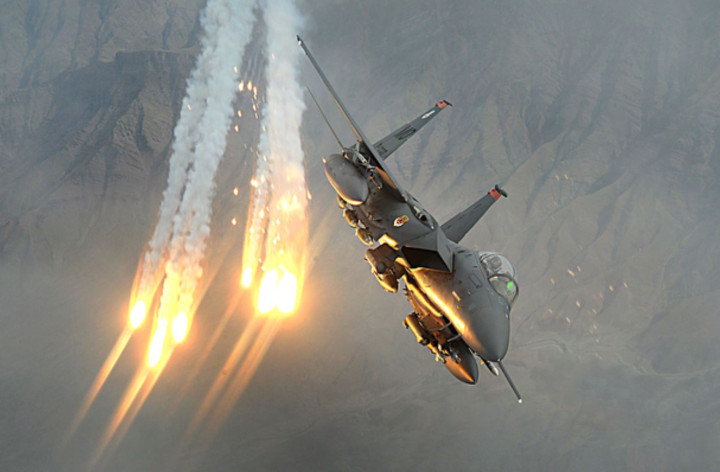
Russian forces have increasingly relied on drones, cruise missiles, and decoys to probe Ukrainian defenses and strain interceptor stocks. An F-16 executing a gun kill against such a target signals flexibility in how Ukraine is choosing to counter those tactics.
The video also serves a signaling function. It demonstrates to Moscow that Ukrainian air operations are becoming more assertive, and to Western partners that transferred platforms are being used effectively in combat conditions.
Implications for the Air War Ahead
The broader significance of the Ukraine F-16 gun kill lies less in the individual engagement and more in what it represents for the trajectory of the air war. As Ukraine expands its use of Western aircraft, Russian planners must account for a growing number of multi-role fighters capable of interception, coordination, and opportunistic engagement.
That reality complicates Russian air tasking and raises the operational cost of routine aerial activity near the front. It also suggests that Ukraine’s air force is no longer operating solely in a defensive posture, but actively contesting control of the air domain where opportunities arise.
For SOFREP readers, the takeaway is straightforward. The F-16 is no longer a promised capability or political talking point. It is now a combat platform shaping real engagements in the skies over Ukraine.

Saudi Arabia Condemns Foreign Interference After Deadly RSF Attacks in Sudan
Saudi Arabia has condemned what it described as foreign interference in Sudan following a series of deadly attacks attributed to the Rapid Support Forces, escalating diplomatic pressure as the conflict enters a more fragmented and internationally entangled phase.
In a statement issued Sunday, the Saudi Foreign Ministry denounced the violence and warned that external involvement was worsening instability in Sudan. The remarks followed reports of coordinated RSF assaults that killed civilians and targeted infrastructure in several contested areas.
While the statement did not name specific states or actors, the language reflects growing concern among regional powers that Sudan’s war is evolving beyond an internal power struggle into a proxy conflict shaped by competing foreign interests.
Regional Powers Signal Alarm Over Conflict Escalation
The fighting between Sudan’s military and the RSF has intensified in recent weeks, with the paramilitary group accused of carrying out mass-casualty attacks and expanding operations beyond traditional strongholds. Civilian deaths and displacement have surged, adding strain to already limited humanitarian access.
Saudi Arabia has positioned itself publicly as a supporter of Sudanese sovereignty and stability, while also participating in diplomatic efforts aimed at de-escalation. Riyadh previously hosted talks between the warring parties, though ceasefire agreements repeatedly collapsed.
The latest statement signals a shift in tone. Rather than emphasizing mediation alone, Saudi officials are now openly warning that outside involvement risks prolonging the conflict and undermining any political settlement.
Foreign Influence Complicates Mediation Efforts
Sudan’s war has drawn increasing attention from regional and international actors seeking influence over Red Sea access, mineral resources, and strategic positioning in northeast Africa. Analysts note that financial backing, weapons transfers, and political cover from external partners have emboldened armed factions on the ground.
The RSF, in particular, has been accused by multiple governments and rights organizations of receiving foreign support that enables sustained operations despite mounting international criticism. Those allegations remain contested, but they have complicated diplomatic initiatives aimed at halting the violence.
For mediators, the challenge has shifted from brokering ceasefires to managing a conflict increasingly shaped by overlapping external interests.
Implications for Red Sea Security
Saudi Arabia’s warning carries broader implications beyond Sudan’s borders. Prolonged instability threatens maritime security along the Red Sea, a critical corridor for global trade and energy shipments.
For Riyadh, the conflict intersects with core security priorities, including border stability, commercial shipping lanes, and regional influence. Publicly condemning foreign interference allows Saudi Arabia to assert a stabilizing role while signaling limits to tolerance for escalation near its strategic periphery.

Cuba Warns Airlines of Imminent Jet Fuel Shortage
Cuba has warned international airlines that it may run out of aviation fuel within 24 hours, raising the risk of flight disruptions as the country faces an acute energy and liquidity crisis.
According to official notices circulated to carriers, Cuban authorities said fuel supplies for commercial aviation had reached critically low levels. Airlines were advised to prepare for possible delays, diversions, or cancellations if refueling operations cannot be sustained.
The warning reflects mounting pressure on Cuba’s transportation and energy systems as fuel imports decline and access to hard currency tightens.
Energy Shortfalls Hit Civil Aviation
Cuba’s aviation sector depends almost entirely on imported fuel. State-controlled procurement channels face financial sanctions, debt arrears, and supply disruptions. Officials have not said when normal fuel deliveries might resume.
Several airlines serving Cuban routes have adopted contingency measures. These include tanker fuel strategies that allow aircraft to arrive with enough fuel for return legs. The approach raises operating costs and limits scheduling flexibility.
The latest warning suggests that even those measures may no longer suffice if ground refueling becomes unavailable.
Cuban government has warned airliners it is running out of aviation fuel, due to the US encirclement of the Island.
— WarMonitor🇺🇦🇬🇧 (@WarMonitor3) February 9, 2026
Economic Pressure Drives Infrastructure Risk
The fuel shortage forms part of a wider economic breakdown affecting power generation, transportation, and food distribution. Rolling blackouts have become routine, while shortages of diesel and gasoline disrupt domestic logistics and public services.
For civil aviation, the impact is immediate. Airlines require predictable access to fuel to maintain schedules, meet safety requirements, and control costs. Any sustained disruption risks isolating Cuba further at a time when tourism remains a primary source of foreign exchange.

Ukraine Shifts Focus Toward Sustainable War Strategy
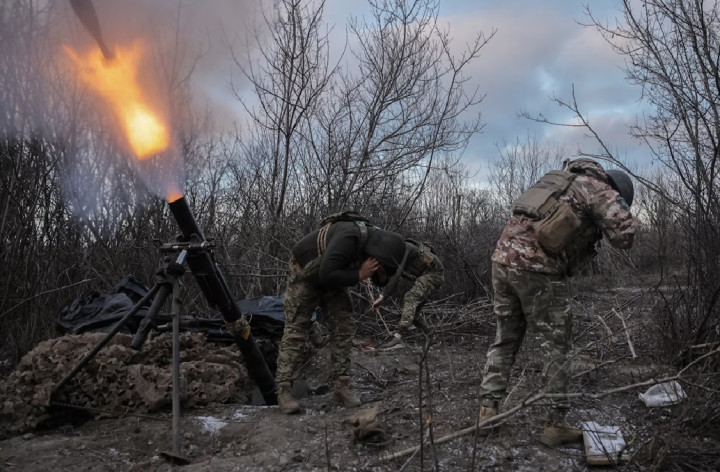
Ukraine is reassessing its military strategy as the war with Russia grinds into a prolonged phase, signaling a shift away from attrition-driven objectives toward a more sustainable framework for defense, manpower, and long-term state capacity.
Ukrainian officials and military planners have increasingly emphasized the limits of a strategy centered on maximizing Russian battlefield losses. With personnel shortages, ammunition constraints, and uncertain timelines for external support, Kyiv is now weighing how to preserve combat power while maintaining pressure along key fronts.
Attrition Shows Diminishing Returns
For much of the war, Ukraine relied on inflicting disproportionate casualties to offset Russia’s numerical advantages. That approach proved effective during earlier phases, particularly when Western military assistance flowed steadily.
Conditions have since changed. Russian forces have adapted tactics, expanded domestic weapons production, and rotated personnel at scale. Ukraine faces mounting strain on mobilization, training pipelines, and force regeneration.
Military planners now acknowledge that a singular focus on enemy casualties risks degrading Ukraine’s own long-term fighting capacity without delivering decisive outcomes.
Force Preservation Becomes Central Objective
The evolving approach prioritizes holding defensible terrain, protecting experienced units, and conserving critical matériel. Commanders are emphasizing layered defenses, selective engagements, and operational patience.
The shift does not signal abandonment of offensive action. It reflects a recalibration toward engagements that align military effort with available resources and political realities.
For Western partners, the message is pragmatic. Ukraine is preparing for endurance rather than breakthrough, and assistance strategies will need to match that reality.


COMMENTS