Tanker Intercept Sends a Message
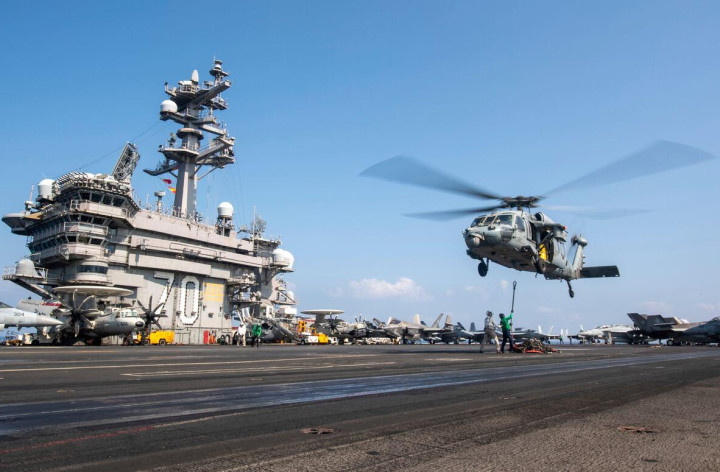
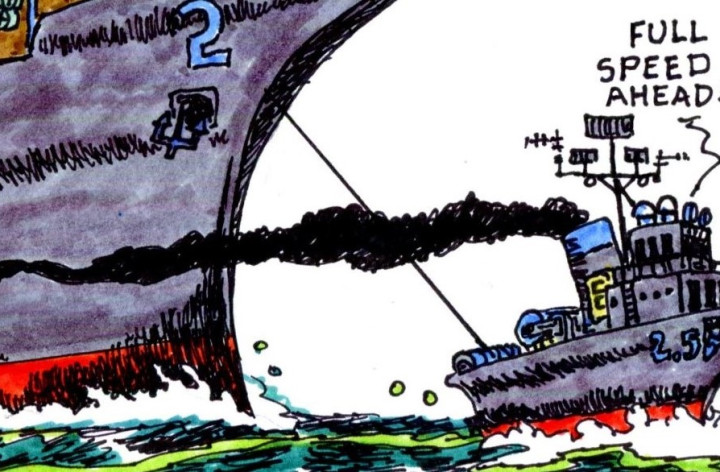
Earlier this month, U.S. forces boarded a sanctioned oil tanker in the Indian Ocean after tracking it across multiple regions, a quiet but unmistakable signal that maritime sanctions enforcement is tightening and going global. The operation was confirmed by U.S. defense officials and reported by multiple outlets in the second week of February. It was conducted without violence and framed as a lawful interdiction tied to sanctions enforcement.
Details about the vessel’s ownership, cargo, and final disposition remain limited in public reporting. What is clear is that the tanker had been monitored for an extended period as it moved through different waters before the boarding occurred. That tracking effort underscores how the United States is increasingly using a mix of intelligence, maritime surveillance, and naval presence to pressure sanctioned energy networks that rely on long-distance shipping and opaque ownership structures.
This was not a one-off action. Over the past year, Washington has steadily expanded efforts to disrupt so-called shadow-fleet tankers that move sanctioned oil through complex routing, flag changes, and ship-to-ship transfers. The goal is less about any single cargo and more about raising the cost and risk of doing business for networks that keep sanctioned economies afloat. Following a vessel across multiple theaters and then boarding it far from U.S. shores sends a reminder that geography alone does not provide safe harbor.
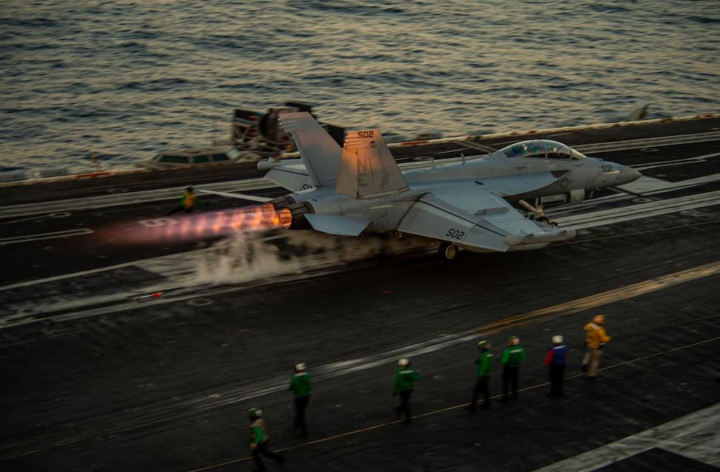
The broader strategic context matters. Demand for maritime enforcement has grown alongside sanctions regimes tied to Russia, Venezuela, and other targets. The U.S. Navy and partner forces have increasingly been tasked with monitoring shipping lanes, identifying suspect cargoes, and, when authorized, boarding vessels suspected of sanctions violations. Each successful interdiction adds friction to those networks and signals that enforcement is not confined to one region.
For the crews running sanctioned cargo, the oceans have always offered space and anonymity. The assumption was that distance diluted risk. Operations like this challenge that assumption. When a vessel can be tracked across multiple maritime regions and intercepted on the far side of the world, the math changes.
No dramatic firefight. No viral footage. Just a boarding party climbing a ladder in open water and a sanctioned ship running out of sea room.
SOCOM Keeps the Intel Engine Running
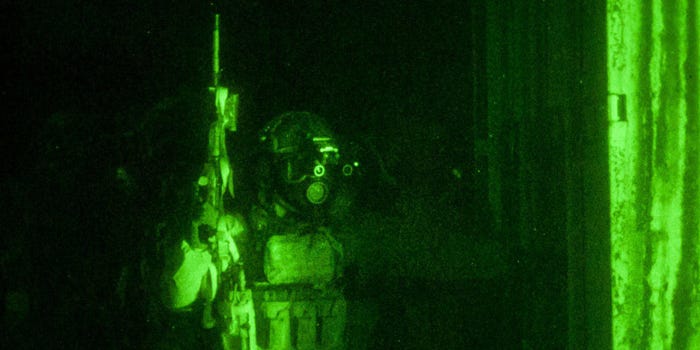
U.S. Special Operations Command just signed a contract that says a lot about how modern special operations actually work. On February 5, 2026, SOCOM awarded a $265 million intelligence-support contract to Iron Legion JV, a Tampa-based joint venture, with work scheduled to run through 2036 if all options are exercised. The job: provide intelligence support services for special-operations missions worldwide.
The contract is structured as an IDIQ, short for indefinite-delivery, indefinite-quantity. In plain English, that means SOCOM is not buying one big, fixed package of work. It is buying access to a pool of cleared analysts, specialists, and support teams it can task as needed over time. The government sets a maximum ceiling, in this case about $265 million, but only spends money when specific task orders are issued. Think of it as a standing contract pipeline that can be tapped quickly when missions or requirements spike.
For a command that operates at high tempo across multiple theaters, that flexibility matters. SOCOM’s missions rarely run on predictable timelines. Requirements surge, regions heat up, and new problems appear without much warning. An IDIQ lets the command scale intelligence support up or down without having to rebuild teams from scratch every time a new operation kicks off.
Public contract documents do not list every function covered, but SOCOM intelligence-support vehicles like this typically provide analysts and specialists who help fuse information, prepare targeting and mission support products, and keep commanders supplied with usable intelligence at operational speed. In today’s environment, that can mean everything from processing large volumes of reporting to helping connect disparate pieces of information into something actionable before the window closes.
The size and duration of the award point to a steady demand signal. Special operations forces are still heavily engaged in counter-network work, partner operations, and persistent competition with adversaries who do not operate on a neat battlefield. Those missions generate a constant need for analysis and fusion that supplements the uniformed intelligence workforce.
None of this is flashy. There is no ribbon-cutting for an IDIQ. But contracts like this are the quiet infrastructure behind the missions people read about later.
SOCOM is essentially keeping a deep bench of cleared intelligence talent on call, ready to plug in wherever the next problem surfaces.
COMMENTS