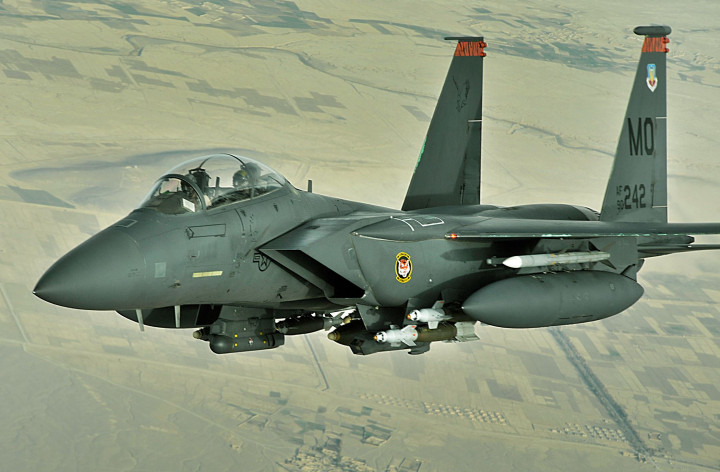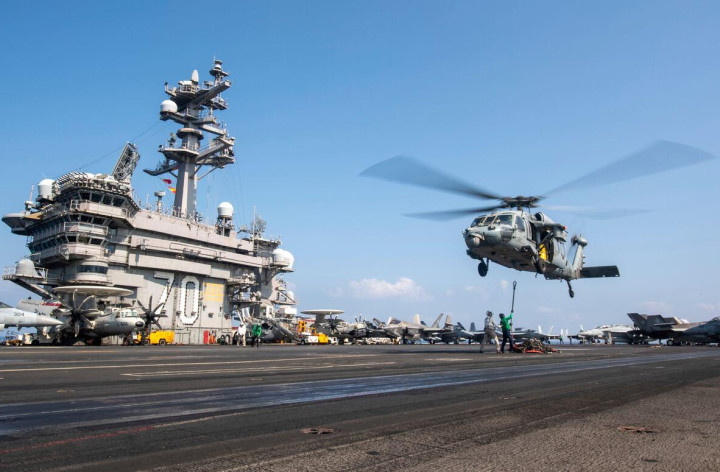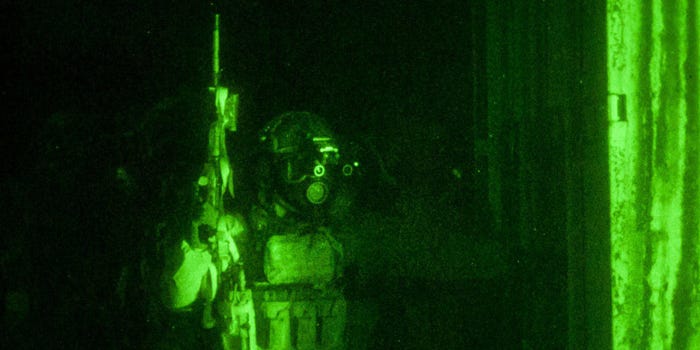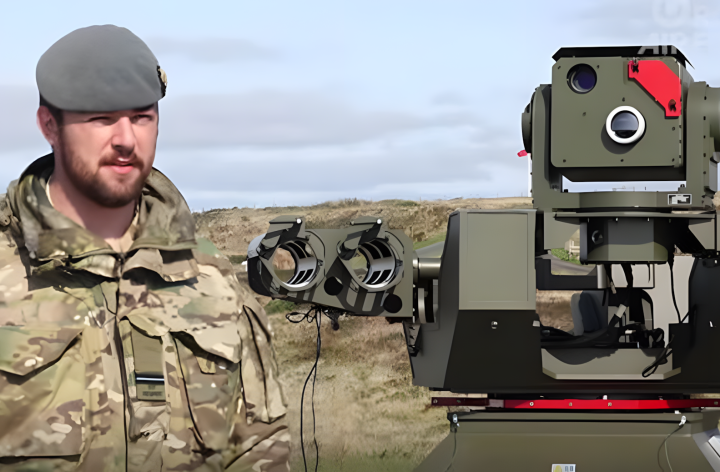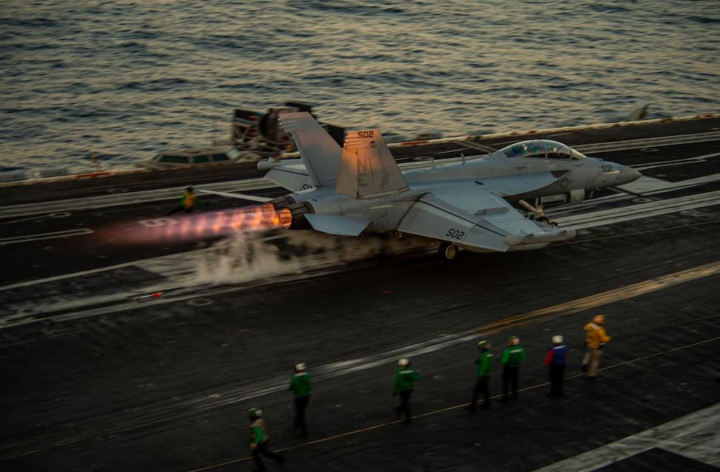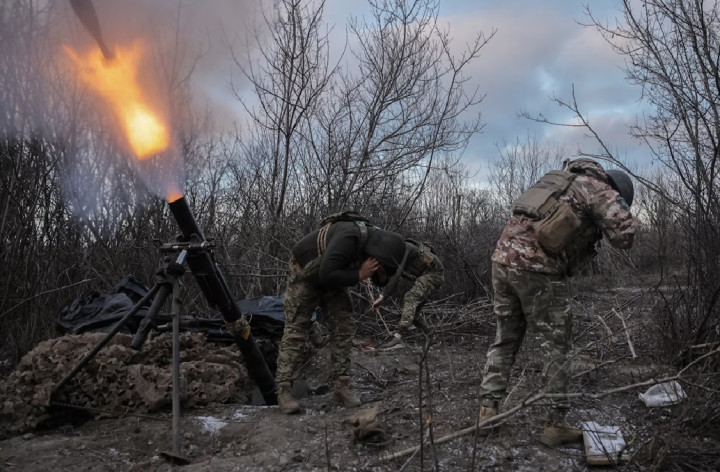
And the allies are already showing up. Sweden is sending Gripen fighters and ranger elements to operate around Greenland and Iceland. Denmark is contributing F-35s. Britain is boosting troop presence in Norway. Germany and other NATO states are lining up air and naval assets as well.
This all sits on top of a simple reality: the Arctic is no longer a frozen buffer. Melting ice has turned it into a shipping route, a resource zone, and a military corridor. Russia has rebuilt bases and expanded patrols across its northern coastline. China has labeled itself a “near-Arctic state” and is investing accordingly. NATO, late to the party, is now bringing a guest list and a security detail.
Interpretation
Arctic Sentry is NATO admitting the obvious. The Arctic used to be a flank. Now it is a front.
The alliance spent decades focused on Central Europe, then the Middle East, then counterterrorism. Meanwhile, Russia quietly turned the Arctic into a fortress of airfields, radars, and submarine bastions. China showed up with icebreakers and research stations that look suspiciously like future logistics nodes.
What Arctic Sentry really signals is that NATO does not want to be caught flat-footed in a region where geography favors whoever gets there first and stays longest. Coordinating exercises and patrols may sound bureaucratic, but in military terms, it means shared targeting data, shared logistics, and a much clearer picture of who is moving under the ice and across the pole.
The timing also matters. Launching this now, with transatlantic tensions and Greenland politics simmering, looks like NATO is trying to close ranks and refocus on external threats instead of internal drama.
Bottom line: Arctic Sentry is not about today’s crisis. It is about the next twenty years. And the message is simple. The Arctic is open for business, and NATO plans to keep the lights on.
Greek Officer, Chinese Channel, NATO Headache
Greek authorities have arrested a member of the country’s armed forces on espionage charges tied to the alleged transfer of sensitive military information to China, in a case that underscores persistent counter-intelligence risks inside allied militaries. Greece’s National Defence General Staff confirmed the arrest took place inside a military area and followed a joint operation with other state services. According to Reuters, Greek intelligence received a tip roughly two months earlier from a Western partner that highly sensitive material had been leaked to China, prompting surveillance of the suspect before the arrest amid concerns more information might be passed abroad.
Greek media have since filled in additional details. eKathimerini reports the suspect is a 54-year-old Hellenic Air Force colonel who has been remanded in custody pending trial. Prosecutors have charged him with collecting and transmitting classified military information to third parties. Authorities reportedly recovered files from a mobile phone used to send classified material to contacts in China. Under Greek law, some of the charges could carry a sentence of up to 20 years, while more severe espionage counts could expose him to life imprisonment if convicted.
Reporting in other outlets, citing Greek investigators, alleges the officer passed NATO-related documents and operational information and may have used encrypted communications to do so. These details remain allegations pending trial and have not been confirmed in full by official statements. Authorities say the investigation is ongoing and additional evidence is being reviewed.
Interpretation
Espionage inside an alliance is not new, but it is always disruptive. NATO depends on the assumption that classified plans, procedures, and capabilities can be shared across borders without leaking out the back door. Even a relatively small amount of compromised material can reveal how an alliance moves, what it values, and where its seams are.
The method matters as much as the motive. If the reporting about online recruitment and encrypted transfers proves accurate, it reflects a modern model of espionage that is less cloak-and-dagger and more digital pipeline. Access plus connectivity equals vulnerability. That equation applies to every military in the alliance.
The other takeaway is procedural rather than dramatic. The case began with a tip from a Western partner, then moved through surveillance, then arrest. That sequence shows allied counter-intelligence channels still work, but it also shows how dependent they are on shared vigilance. In a networked alliance, one compromised insider is never just one country’s problem.


COMMENTS