

Jordan’s role is unusual and is intended to demonstrate solidarity with the U.S. following the drone strike on Tower 22, an outpost in… https://t.co/lf23Cark7y pic.twitter.com/gAE0ZfSa1J
— Mario Nawfal (@MarioNawfal) February 2, 2024
The Attack Unfolds
On the cold desert morning of January 28, 2024, hell arrived slow and low over the sand. Tower 22 was caught flat-footed. A drone packed with explosives, flown in by the Islamic Resistance in Iraq (an Iranian-backed Shia militia with a grudge and some GPS know-how), crept toward the base under the radar. It slipped in right as a U.S. reconnaissance drone was returning to base, making the perfect smokescreen for disaster.
In a twist of tragic irony, the base’s air defense system had its automatic response features shut off to avoid shooting down our own drone. That left Tower 22 wide open. Despite warnings from both intel reports and militia chatter online about a potential strike, the base stayed on cruise control.
At about 5:30 a.m., while most of the 350 troops stationed there were still racked out in their bunks, the drone punched through the morning calm and slammed into a six-person housing unit. The explosion was devastating. Three Army National Guard soldiers—young men who didn’t expect their last breath would come in that godforsaken corner of the world—were killed instantly. As many as 47 others were wounded, some reports putting the number of injured north of 100. It was the deadliest attack on U.S. forces in the region since the Gaza war reignited in October 2023.
The reaction from Washington came quickly. President Joe Biden called the attack “despicable” and promised swift retaliation. On February 2, the U.S. military answered with a barrage of airstrikes against Iranian proxy sites in Syria and Iraq. But while the bombs dropped and press releases flowed, the glaring holes in our defense setup at Tower 22 became impossible to ignore.
Investigations into the attack laid bare a laundry list of failures. The base was undermanned. Leadership was disorganized, and no one seemed to be holding the reins tight. Worse yet, Tower 22 didn’t have kinetic defenses—no guns, no missiles, nothing to shoot a drone out of the sky. They were leaning on electronic warfare systems to jam or mislead incoming drones, but against a determined attacker flying low and quiet, it just wasn’t enough.
This was more than just a lucky shot by some ragtag militia. It was part of a broader, coordinated campaign by Iranian-backed groups to bleed U.S. forces in the region. And with America backing Israel in its fight against Hamas, the gloves came off. Groups like the Islamic Resistance in Iraq saw an opportunity to strike while we were spread thin and distracted. They took it—and we paid for it.
The Tower 22 attack was a gut punch, a wake-up call wrapped in shrapnel. It showed how cheap tech and asymmetric tactics can punch through a U.S. outpost if the defenses aren’t sharp, alert, and ready to go. It also proved that in modern warfare, the enemy doesn’t need an air force—they just need a drone, some explosives, and an opening.
In the end, this wasn’t just about one drone or one militia. It was about complacency, overstretch, and underestimation. Tower 22 was left exposed, and three American lives were lost as a result. If there’s any justice to be squeezed from the rubble, it’s that the Pentagon is now reevaluating how we defend our forward operating bases, especially in places where the enemy is invisible until it’s too late.
Honoring the Brave
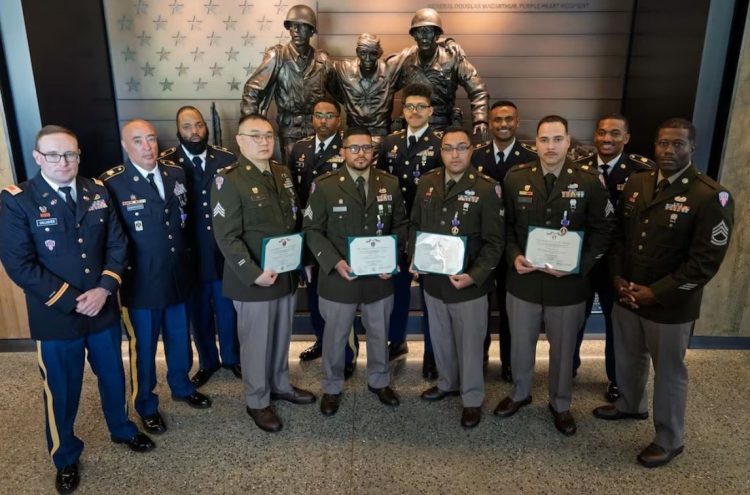
The recent Purple Heart ceremony was attended by military leaders, including Lt. Col. Darren Ketchum, commander of the 101st Expeditionary Signal Battalion, and Major General Raymond Shields, the adjutant general of New York. Lt. Col. Ketchum praised the soldiers for their courage and resilience, stating, “This decoration is not sought, and it’s not given lightly. It is earned through courage in the face of danger.”
Among the honored was Sgt. Guillermo Renderos of Yonkers, who reflected on the bond formed through shared adversity, recalling the words of Chaplain (Major) Chase Wilhelm: “We are all from different parts of the country, but we will forever be bonded by blood.”
Aftermath and Accountability
The attack on Tower 22 highlighted vulnerabilities in base defense protocols. Subsequent investigations identified failures in command decisions, inadequate training, and deficiencies in defensive equipment. Disciplinary actions were taken against four officers, and measures have been implemented to enhance training and counter-drone readiness.
The U.S. responded to the attack with retaliatory strikes against Iranian-backed militia sites, aiming to deter further aggression and protect U.S. personnel in the region.
A Legacy of Valor
The recognized soldiers didn’t ask for medals. They were doing their jobs in a quiet corner of the world most Americans will never hear about—until things go wrong. The Purple Hearts are a recognition of what they endured, but they also stand as a reminder that these missions come with real risk, even in places that rarely make the news.
Their sacrifice is part of a larger story—one of vigilance, commitment, and the hard truth that even support roles in today’s military can become front lines in an instant.








COMMENTS