

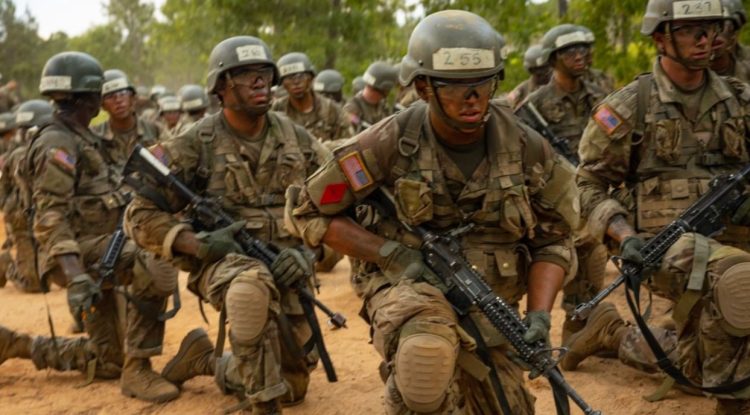
On a broader institutional level, some recruits leave because their expectations don’t match the reality of Army life. Many new soldiers enter with a vision of military service shaped by recruiters, media, or personal assumptions, only to find that the daily grind is much different than they imagined. Policy changes have also affected attrition; for example, the transition from a draft-based system to an all-volunteer force has created new challenges in maintaining discipline and integrating recruits into military culture. Additionally, Army policies and directives are not always applied consistently across different units, leading to varied experiences that can impact whether a soldier chooses to stay or leave.
Reducing early attrition requires a multi-layered approach. The Army can improve retention by investing in leadership training, strengthening support systems for recruits, and ensuring that new soldiers have a clear and realistic understanding of what military service entails. Standardizing administrative policies across units could also help create a more stable and predictable experience for recruits.
By addressing these key issues, the Army can work toward lowering dropout rates and building a stronger, more committed force.
Implications for Army Readiness
High attrition rates have several implications:
Increased Costs: The Army invests heavily in recruiting and training new soldiers. When recruits leave prematurely, these investments do not yield the expected returns, leading to financial inefficiencies.
Unit Cohesion: Frequent turnover can disrupt unit cohesion, affecting morale and operational effectiveness.
Recruitment Pressure: To compensate for losses, the Army may face increased pressure to recruit more individuals, potentially leading to further compromises in recruit quality.
Strategies to Mitigate Attrition
To address the high attrition rates among new recruits, the U.S. Army has introduced several strategies aimed at improving retention. These efforts focus on different stages of a soldier’s journey, from recruitment and training to career development and long-term incentives.
One major improvement has been the Occupational Physical Assessment Test (OPAT), introduced in 2017. This test ensures that recruits meet the physical demands of military service before they begin training. Since its implementation, OPAT has helped reduce trainee attrition by about 10%, saving the Army roughly $50 million annually in training costs. Additionally, the Army has piloted an extended One Station Unit Training (OSUT) program, which gives recruits more time to develop crucial combat and fitness skills, making them better prepared for their roles.
Beyond training, the Army is working to create a positive organizational environment to improve morale and reduce unnecessary separations. Leadership is placing greater emphasis on fostering a culture of trust and teamwork, while also addressing issues like toxic command climates. Soldiers are also being given clearer career paths with opportunities for professional development, which helps improve job satisfaction and motivation to stay in service. Recognizing achievements and ensuring that units have adequate resources have also been priorities in maintaining a supportive atmosphere.
Financial incentives have played a significant role in retention efforts as well. The 2024 National Defense Authorization Act included a 5.2% pay raise for service members—the largest in two decades. The Department of Defense has also introduced targeted bonuses and special incentives to encourage soldiers in specific roles or high-demand fields to remain in service.
Personalized approaches to retention have also been adopted. For example, the U.S. Navy conducts personal interviews with sailors nine months before their contracts end to discuss career options and develop customized retention plans. The Army has implemented similar initiatives, including retention-management software and career counselors focused on helping highly qualified personnel, particularly those in their first term, find meaningful career paths within the military. The Army is also using predictive analytics tools like the Armed Forces Qualification Test (AFQT) and the Tailored Adaptive Personality Assessment System (TAPAS) to identify recruits who are more likely to stay and succeed in service.
At an institutional level, the Army has set clear attrition reduction goals, aiming to decrease the number of recruits who drop out before training by 3% and those who leave during training by another 3%. A standardized tracking system has been developed to monitor soldiers from the moment they first meet a recruiter through their training and into their first unit assignment. Regular quarterly reports are also being implemented to analyze why soldiers separate from service, whether due to medical issues, misconduct, or poor performance, helping the Army refine its retention strategies.
By implementing these multifaceted approaches, the Army hopes to address the root causes of attrition and create an environment where more recruits successfully complete their first term of service. With better training, stronger leadership, financial incentives, and data-driven retention strategies, the Army is working to build a more stable and committed force for the future.
Looking Forward
The Army’s challenge with early attrition is a complex issue influenced by recruit quality, organizational culture, and health considerations. Addressing this problem is crucial for maintaining a robust and effective military force. By implementing comprehensive strategies that focus on recruitment, training, and retention, the Army can work towards reducing attrition rates and enhancing overall readiness.
Additionally, people are signing up in record numbers to join the Army. These new recruits may see the Army as something they want to do rather than joining out of necessity because there is no place else to go. A positive mental attitude goes a long way in staying in and succeeding at military service.








COMMENTS