


Raytheon’s production line currently needs about 40 months to build a radar, though the Army has set a goal of 36 months by tightening supply chain operations.
Tested Hard, Ready for More
The LTAMDS program has gone through a gauntlet of testing: eight missile flight tests and nearly 10,000 hours of environmental trials, from dust storms and rain to grueling road marches.
Earlier this year, the system hit Milestone C, clearing the way for production. Soldiers have already taken the radar downrange to Guam for live evaluation, while the Army eyes initial operational testing in late fiscal year 2026.
“After achieving Milestone C earlier this year, Raytheon continues to ramp up production to meet the fast-growing demand from the U.S. Army and international partners,” said Tom Laliberty, Raytheon’s president of land and air defense systems.
If all goes as planned, LTAMDS will hit full-rate production by 2028, with low-rate lots running through 2029.
A Cornerstone of Integrated Defense
LTAMDS is not just a new radar—it is the backbone of the Army’s Integrated Air and Missile Defense (IAMD) system, designed to replace the aging Patriot radar and knit seamlessly into the already-fielded Integrated Battle Command System. Its 360-degree coverage and long-range tracking promise to close long-standing gaps in US and allied air defense.
And with its digital backbone, the system can evolve continuously, ensuring relevance against whatever future threats emerge.
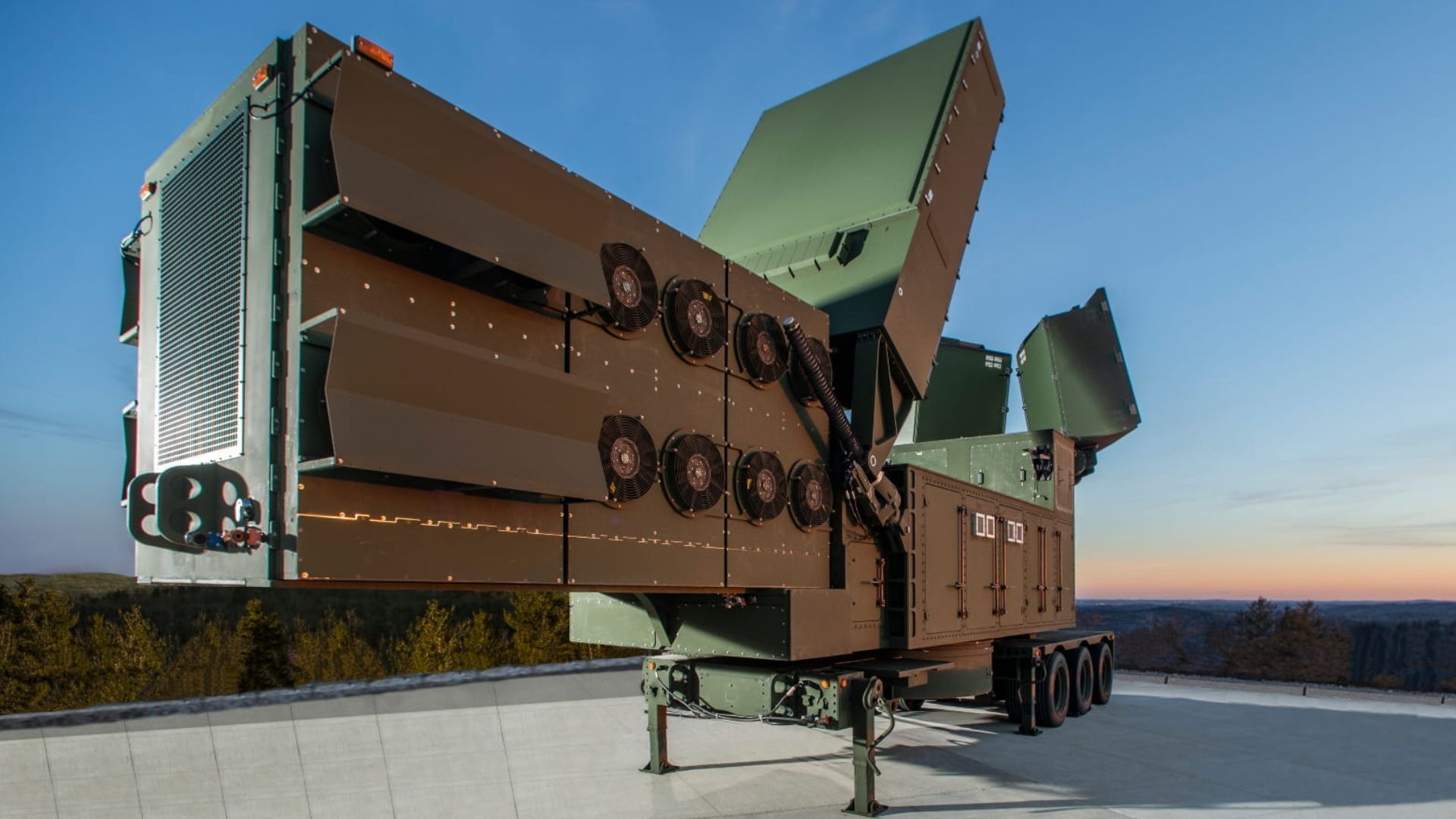
The Army’s $3.8 billion investment marks a major step in replacing the Patriot radar with LTAMDS, a system built to counter advanced threats including hypersonics, stealth, and large-scale raids. Its software-driven design allows continuous upgrades, keeping it effective for decades.
With Poland as the first foreign buyer and more allies expected to follow, LTAMDS is positioned to strengthen both US and allied air defense.








COMMENTS