
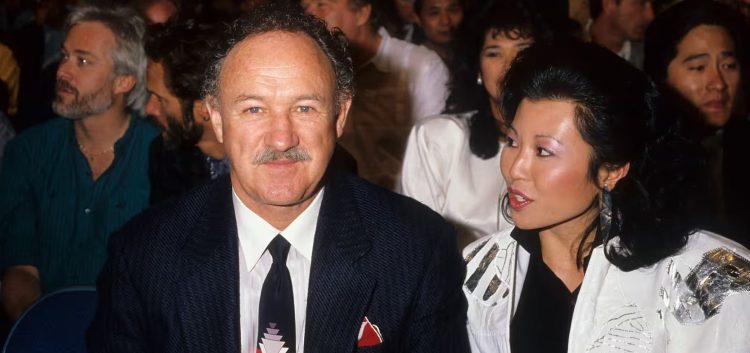
Beyond his dramatic roles, Hackman endeared himself to audiences as the iconic villain Lex Luthor in the “Superman” series and showcased his comedic talents in “The Royal Tenenbaums” (2001). His portrayal of complex characters left an indelible mark on Hollywood and influenced countless actors.
Military Service and Early Life
Early Life
Gene Hackman was born Eugene Allen Hackman on January 30, 1930, in San Bernardino, California. When he was just three years old, his family moved to Danville, Illinois, where he spent most of his childhood. Life wasn’t always easy for young Gene—when he was 13, his father left the family, an event that deeply affected him and shaped his independent, sometimes rebellious nature. As a teenager, he often found himself in trouble and frequently clashed with authority figures. This rebellious streak would later carry over into his military service and even his early years in Hollywood.
Military Service
At just 16 years old, Hackman dropped out of high school and, eager to escape his troubled home life, lied about his age to enlist in the U.S. Marine Corps in 1946. He was initially assigned as a field radio operator but later transitioned to work as a broadcast journalist. His service took him across the world, including deployments in Qingdao and Shanghai, China, from 1947 to 1949, as well as in Hawaii and Japan after 1949.
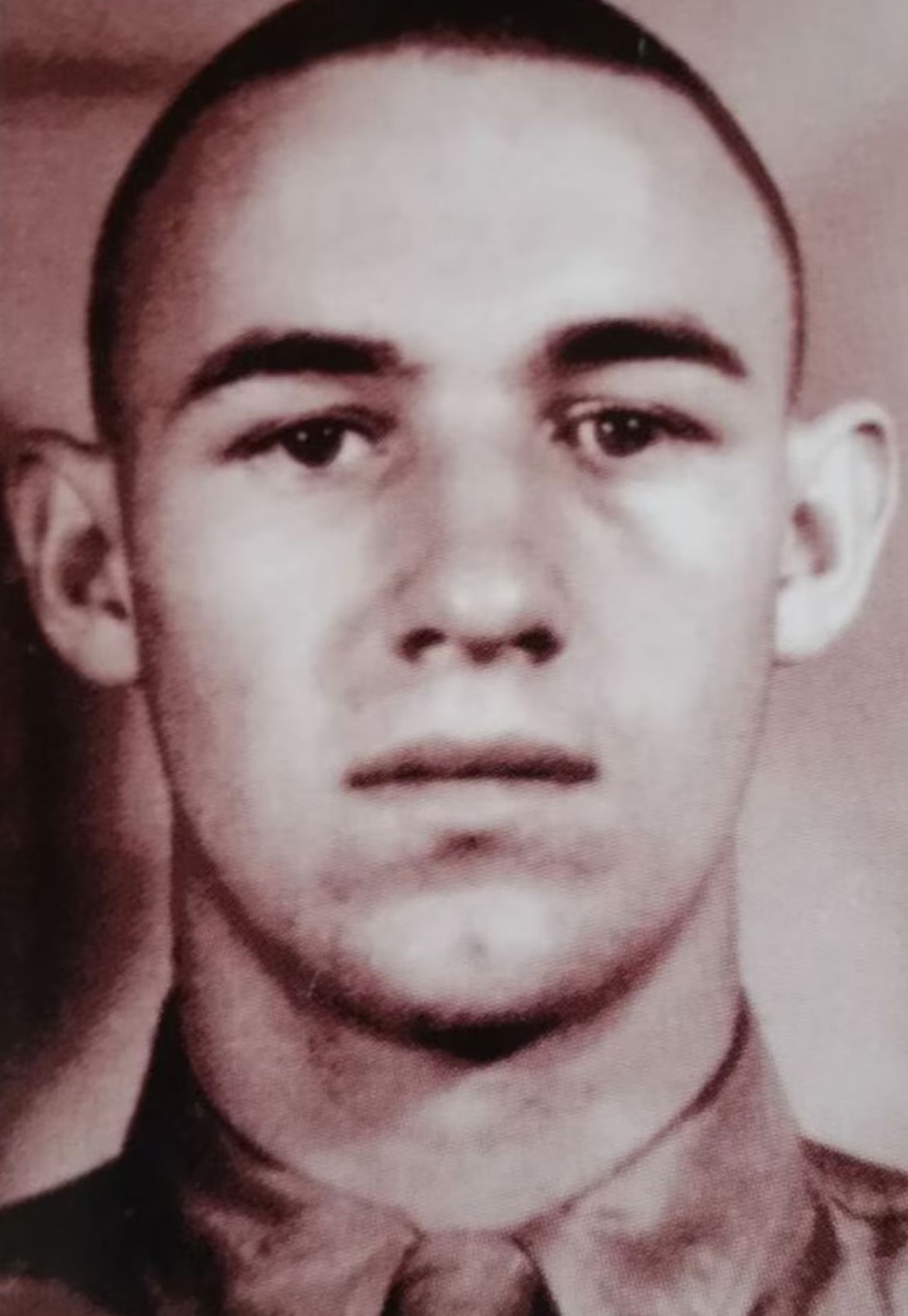
During his time in China, Hackman participated in Operation Beleaguer, a U.S. military mission focused on repatriating Japanese and Korean nationals after World War II while protecting American interests in the region. He served with various units, including the 3rd Marine Regiment and the 2nd Signal Battalion. Despite his dedication, Hackman’s rebellious nature often got him into trouble—he was demoted from corporal three times for leaving his post without permission.
Hackman’s military service ended in 1951 after he was involved in a motorcycle accident, leading to his discharge as a disabled veteran. After leaving the Marines, he took advantage of the G.I. Bill and enrolled at the University of Illinois, where he studied journalism and television production. However, his true passion lay elsewhere, and he soon pivoted toward what would become a legendary acting career.
Personal Life
Hackman married Faye Maltese in 1956, and the couple had three children: Christopher, Elizabeth, and Leslie. After their divorce in 1986, he married classical pianist Betsy Arakawa in 1991. The couple settled in Santa Fe, where they led a private life away from the Hollywood spotlight. In retirement, Hackman turned to writing, authoring several historical fiction novels and co-writing others with undersea archaeologist Daniel Lenihan.
1930-2025: Oscar-winning actor Gene Hackman, his wife, and their dog were found dead in their Santa Fe home. Police are still investigating the cause of death but do not suspect foul play. pic.twitter.com/B3MR3xH0K2
— Fox News (@FoxNews) February 27, 2025
Tributes and Legacy
The news of Hackman’s passing prompted an outpouring of tributes from the film industry. Director Francis Ford Coppola, who worked with Hackman on “The Conversation” (1974), remarked, “The loss of a great artist, always cause for both mourning and celebration: Gene Hackman, a great actor, inspiring and magnificent in his work and complexity.” Actor George Takei noted, “Gene Hackman could play anyone, and you could feel a whole life behind it.”
Hackman’s dedication to his craft and his ability to embody a wide range of characters made him a beloved figure in cinema. His performances continue to inspire both audiences and actors alike.
Investigation Ongoing
As authorities continue to investigate the circumstances surrounding the deaths of Gene Hackman and Betsy Arakawa, the community reflects on the profound impact of Hackman’s work and the legacy he leaves behind. Sheriff Mendoza emphasized that there is no immediate danger to the public, and further details will be released as the investigation progresses.
In this time of mourning, fans and colleagues remember Gene Hackman not only for his remarkable contributions to film but also for his service to his country and his enduring spirit.








COMMENTS