The US Navy's MQ-9 Reaper program has integrated the SkyTower II airborne network extension pod, enhancing communication and operational effectiveness. This advancement is set to improve the Reaper's capabilities for the US Marine Corps, with deployment planned for 2026.
Key points from this article:
The integration of the SkyTower II pod marks a significant milestone for the MQ-9 Reaper program, with the US Marine Corps scheduled to deploy it in 2026.
How the SkyTower II pod enhances the MQ-9's capabilities by providing critical communication links for Intelligence, Surveillance, and Reconnaissance operations, enabling real-time data sharing across military units.
Why the successful integration of the SkyTower II pod is crucial for the US military's operational effectiveness in contested environments, ensuring improved coordination and situational awareness during complex missions.
Updating summary...
The Latest Advancement in US Navy’s MQ-9 Reaper: SkyTower II Airborne Network Extension Pod
SOFREP News Team
Speed
1x
Listen
COMMENTS
The US Navy’s MQ-9 Reaper receives the SkyTower II pod, enhancing communication and ISR capabilities for Marine Corps operations in 2026.
US Navy's MQ-9 Reaper upgraded with SkyTower II Pod for Marine Corps deployment next year. (US Navy)
The US Navy’s MQ-9 Reaper program continues to evolve with the recent integration of cutting-edge technology designed to enhance communication capabilities and operational effectiveness.
Advertisement
One of the most recent advancements is the first delivery and integration of the SkyTower II (STII) airborne network extension pod. This new system represents a significant milestone in the development of the MQ-9 Reaper’s capabilities, marking the beginning of preparations for its initial operational capability (IOC) next year, with the US Marine Corps set to be the first to deploy it in 2026.
SkyTower II Pod: Enhancing Communication and Data Sharing
The SkyTower II pod is designed to enhance the MQ-9 Reaper’s cross-domain communication capabilities, providing a critical link between various forces and enabling seamless communication and data sharing.
This system is essential for the execution of Intelligence, Surveillance, and Reconnaissance (ISR) operations, allowing for tactical and operational communications across diverse military units.
Advertisement
The pod enables the MQ-9 to serve as a critical communication node in complex operations, particularly for the Marine Air-Ground Task Force, connecting aerial and ground combat elements.
The SkyTower II pod facilitates the real-time exchange of vital operational data, which is crucial for decision-making in combat and other high-stakes military operations.
Advertisement
The ability to link various forces operating across different domains ensures that the MQ-9 can support a broad range of missions, from ISR to disaster relief, by providing continuous, reliable communication and situational awareness.
Integration and Testing of the SkyTower II Pod
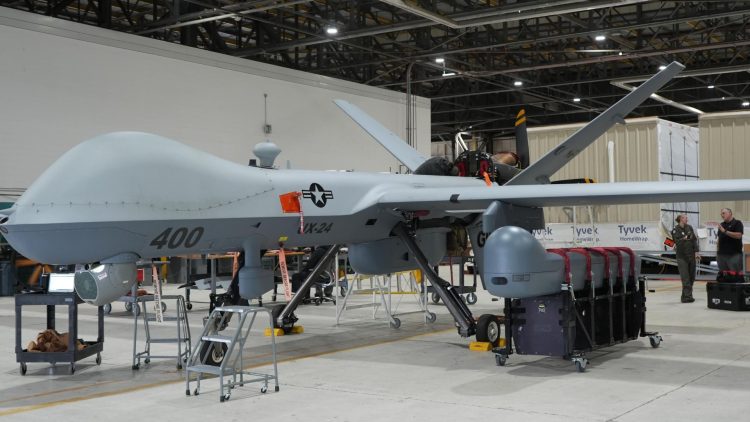
The integration process for the SkyTower II pod began in late February 2024 when the US Navy’s Air Test and Evaluation (UX) 24 squadron loaded the pod onto the MQ-9 aircraft for the first round of power-on checks.
These checks are part of the broader effort to integrate the pod into the MQ-9 platform and ensure that it operates effectively within the aircraft’s systems.
Advertisement
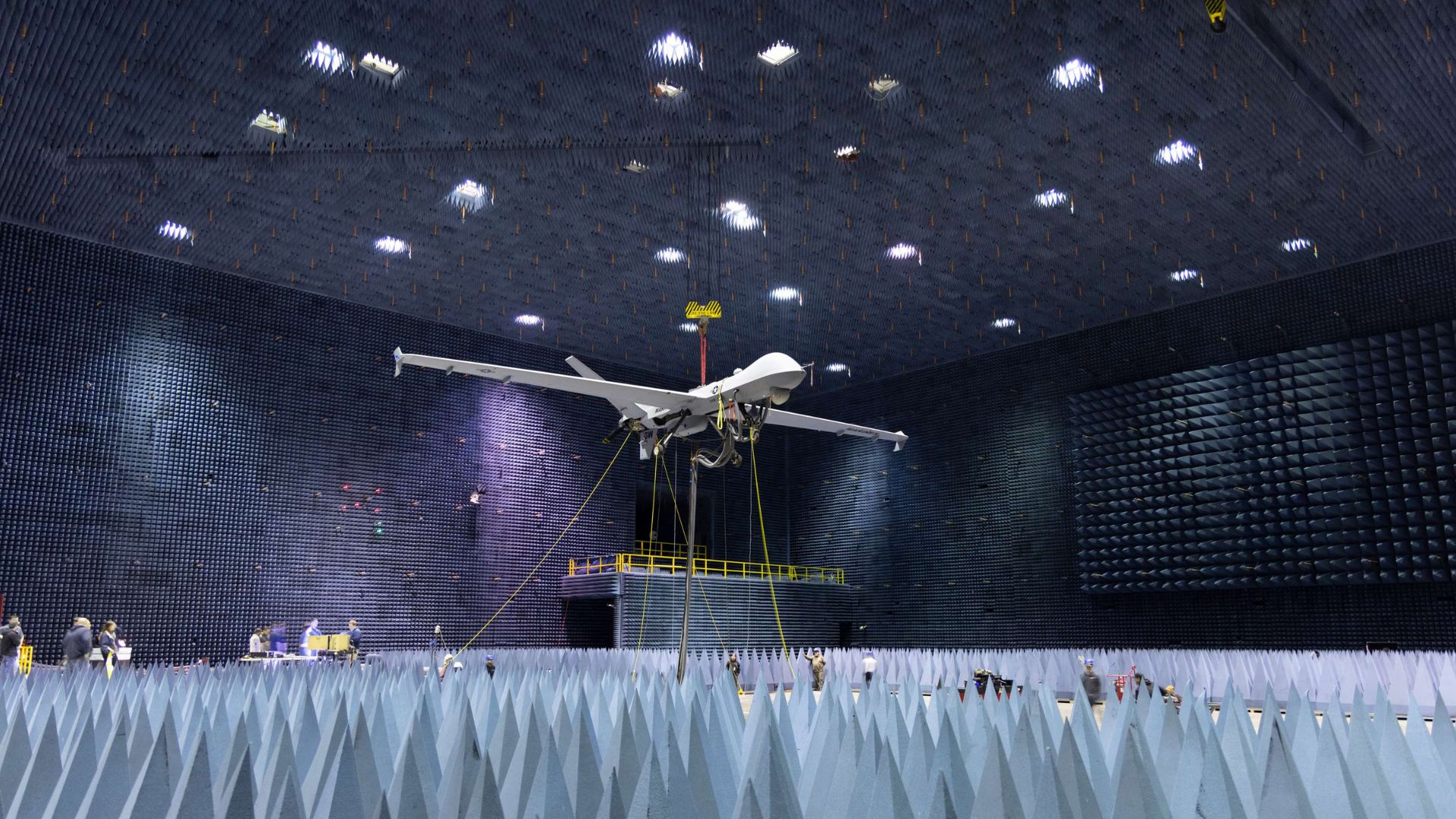
As part of the integration process, the aircraft underwent a fit check in an anechoic chamber, allowing the team to assess the pod’s compatibility with the aircraft and ensure that it met all technical specifications.
US Marine Corps MQ-9 Reaper test squadron UX-24 at Pax River integrates first SkyTower II pod. (NAVAIR via X)
Following the integration and fit checks, the aircraft was hoisted for the first time as a risk-reduction measure in preparation for upcoming program milestones. This test was crucial for confirming the ability to safely suspend the aircraft while providing necessary power, cooling, and satellite communication links to ensure continuous command and control.
These early tests have proven successful, with the system showing promise for the full operational deployment of the SkyTower II pod.
The testing process, which has been carried out on an accelerated timeline, has been crucial in ensuring that the SkyTower II pod meets the needs of the US Marine Corps and the broader joint forces.
Capt. Dennis Monagle, the US Navy’s Multi-Mission Tactical UAS program manager, highlighted the program’s success in rapidly developing the SkyTower II pod with the support of GALT, a small business prime vendor, through middle-tier acquisition. This collaboration is aimed at accelerating innovation and delivering critical capabilities to the warfighter.
Deployment and Future Implications
The SkyTower II pod is slated to be deployed by the US Marine Unmanned Aerial Vehicle Squadron 3 (VMU-3) in 2026.
VMU-3 is currently operating MQ-9s in theater and will be the first to utilize the new system.
Once deployed, the SkyTower II-equipped MQ-9 Reapers will be able to offer enhanced ISR capabilities in contested environments, such as maritime domain awareness and expeditionary advanced base operations.
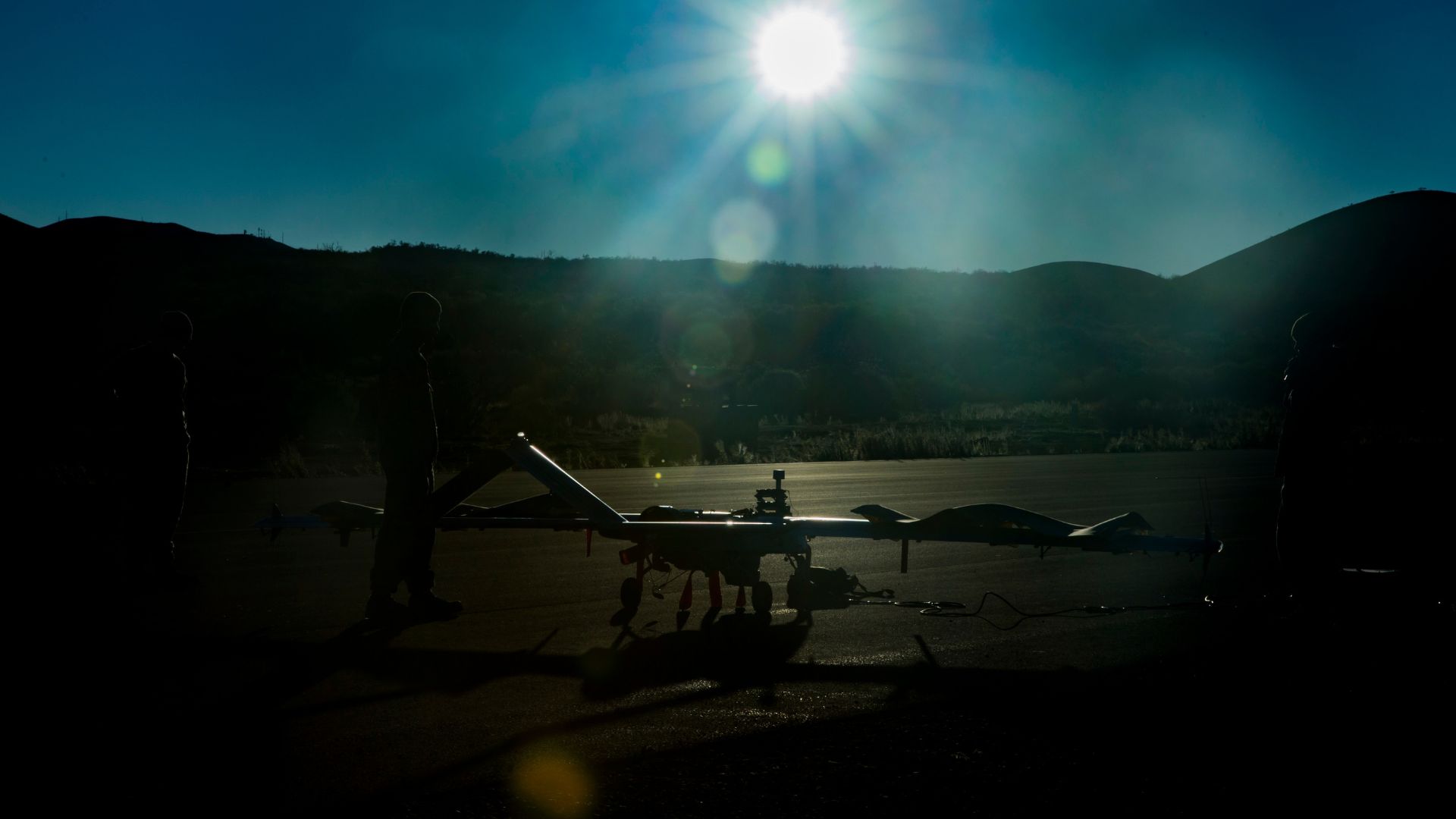
US Marines with Marine VMU-3 conduct preflight checks on an RQ-7B Shadow, 2017. (DVIDS)
The integration of the SkyTower II pod will significantly improve the Marine Corps’ ability to conduct operations in complex environments.
The MQ-9 Reaper is already known for its long-range ISR capabilities, but the addition of the SkyTower II pod elevates its potential to provide real-time communication and coordination across diverse military assets. This makes the system a vital asset for the US military, particularly as it operates in increasingly contested regions of the world.
Conclusion: Advancing US Military Capabilities
The successful integration and testing of the SkyTower II airborne network extension pod represent a significant advancement in the US Navy’s MQ-9 Reaper program. This new capability will enhance the Reaper’s role in supporting US Marine Corps operations, ensuring that it can meet the demands of modern warfare, including rapid communication, data-sharing, and operational coordination across multiple forces.
With the deployment of this system scheduled for 2026, the US military is making important strides in maintaining its technological edge and ensuring that its forces remain prepared for future challenges.
Advertisement
What readers are saying
Generating a quick summary of the conversation...
This summary is AI-generated. AI can make mistakes and this summary is not a replacement for reading the comments.










COMMENTS