
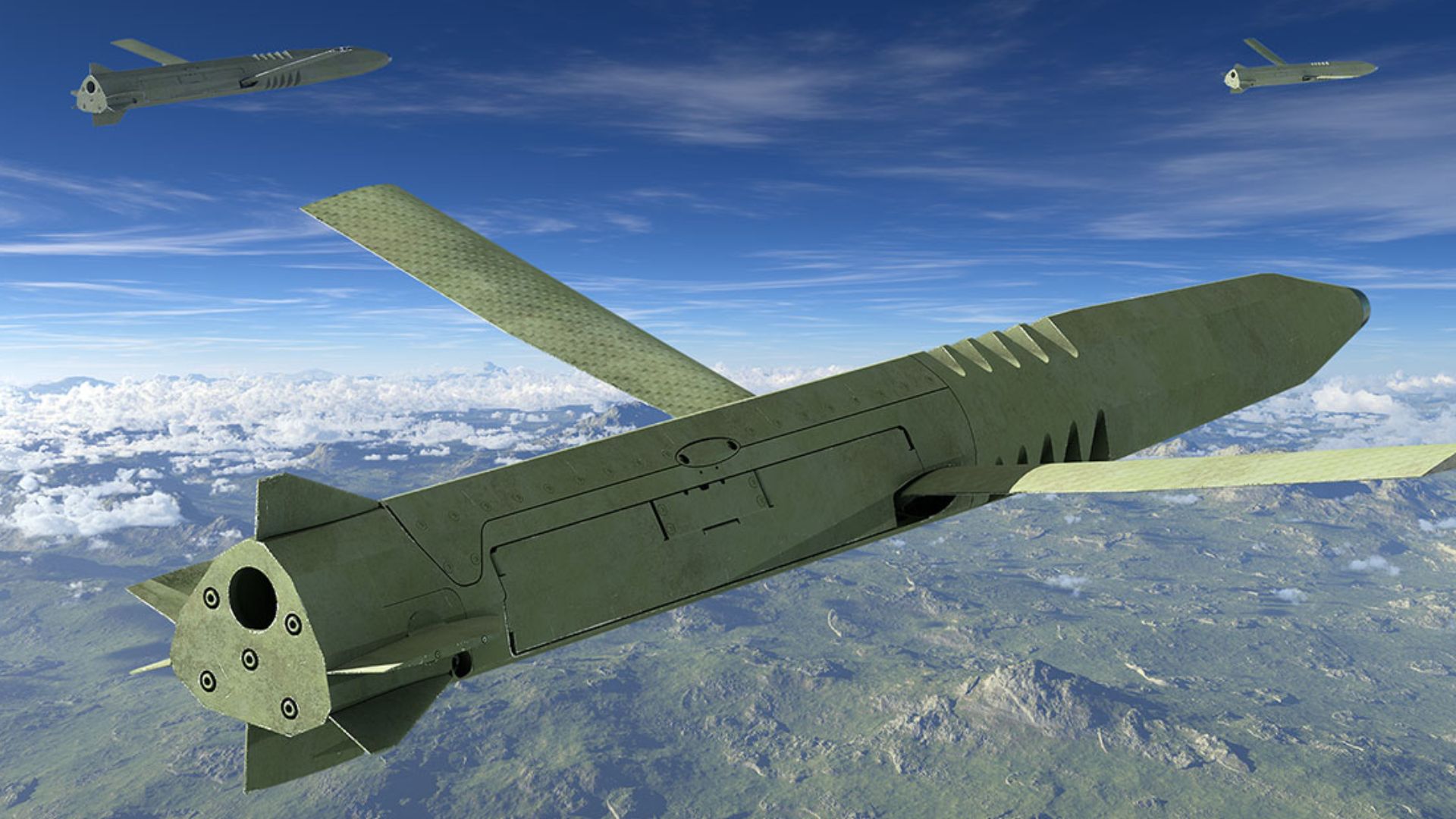
US Navy Picks General Atomics to Boost Artillery Strike Range
The US Navy’s new LRMP tech takes artillery to the next level—120km range, precision strikes, and no rockets needed.
116 articles
Latest Navy stories, analysis, and updates from SOFREP.
The US Navy’s new LRMP tech takes artillery to the next level—120km range, precision strikes, and no rockets needed.

Rear Admiral Kavon ‘Hak’ Hakimzadeh’s Carrier Strike Group 2 not only set the bar with its cutting-edge weapons systems but delivered a slew of combat “firsts” in the Red Sea, marking the debut of advanced tech like the AGM-154C JSOW and EA-18G Growler air-to-air engagements in live warfare.

With the world’s focus drawn to Israel and Lebanon, China might see this as a strategic opportunity to step up pressure on Taiwan, especially with all three of its aircraft carriers now at sea and US naval assets stretched thin in the Middle East.

Iranian long-range cruise missiles like the Soumar and Hoveizeh may pose a real threat to U.S. Navy carriers in the region, but thanks to advanced layered defenses like electronic warfare, laser systems, and the NIFC-CA, the Navy remains confident in its ability to neutralize these threats and project power wherever needed.

China’s new Type 075 amphibious assault ships might seem impressive on the surface, but when compared to the US Navy’s America-class, their lack of vertical take-off and 5th-generation air capabilities leaves a significant gap in their amphibious warfare potential.
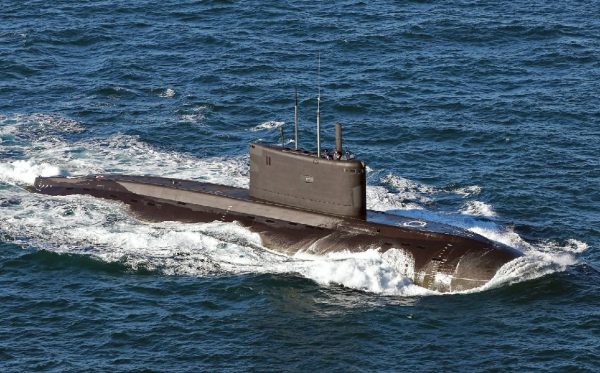
The Russian Kilo-class submarine, known for its stealth and dubbed the “black hole” by some in the U.S. Navy, poses a serious challenge with its advanced noise-reduction technologies, but it still struggles to rival the cutting-edge capabilities of America’s Virginia-class subs.
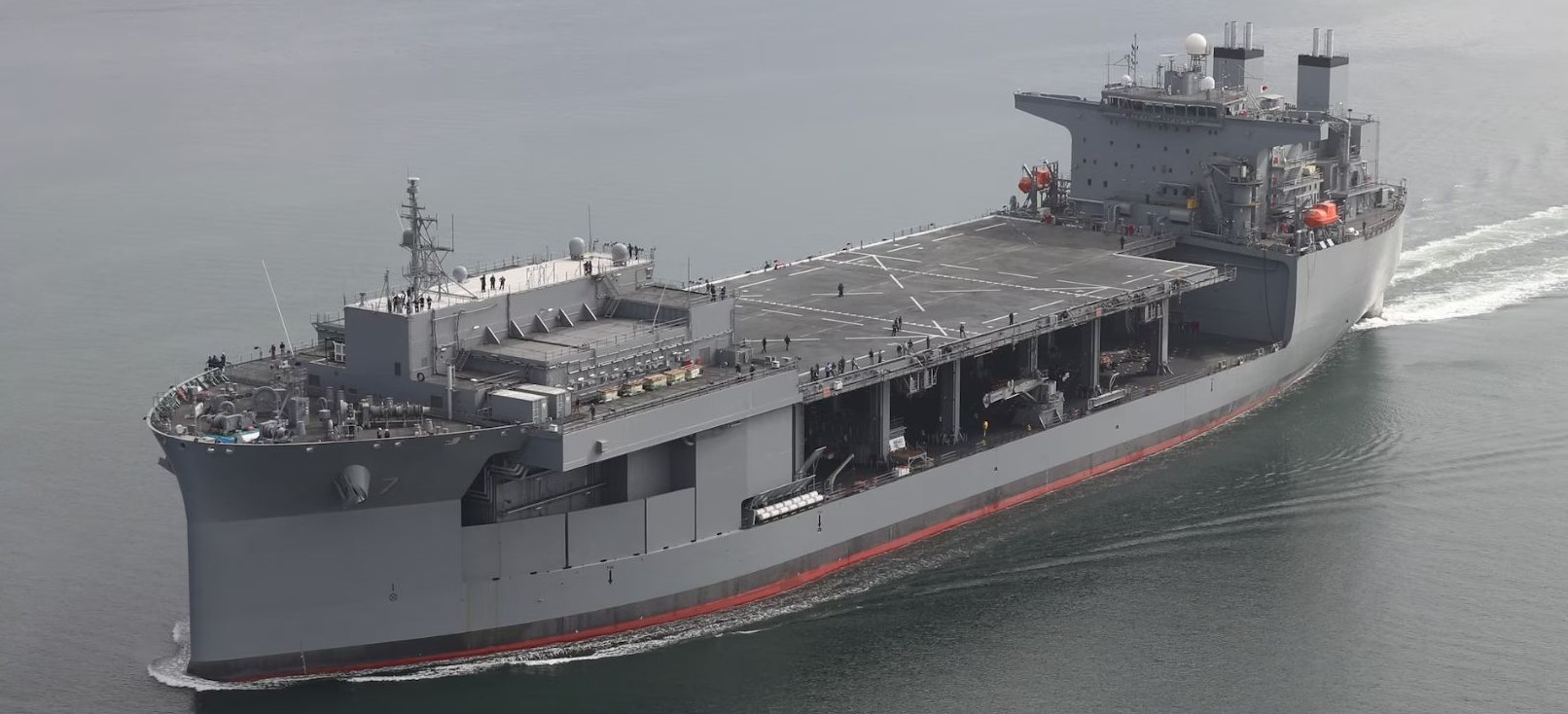
The USS Robert E. Simanek, the Navy’s latest Expeditionary Sea Base, exemplifies the shift toward agile, sea-based operations in the Pacific, supporting a modernized Marine Corps prepared for rapid, littoral combat in contested environments.
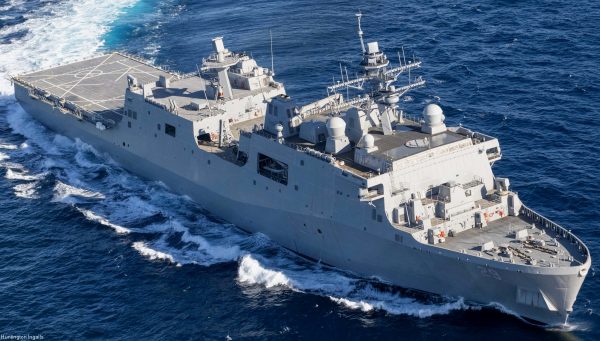
The Navy’s amphibious assault fleet is becoming a crucial force multiplier, blending manned ships and unmanned systems for enhanced reconnaissance, target acquisition, and offensive strike capability, all while operating with increased autonomy and survivability in the face of growing global threats.

In a rapidly advancing battlefield environment, the US military’s reliance on manned-unmanned teaming, AI-driven decision-making, and human command oversight ensures that critical decisions about lethal force remain firmly within human control, blending the speed of AI with the art of human judgment to mitigate the risks of automation in war.
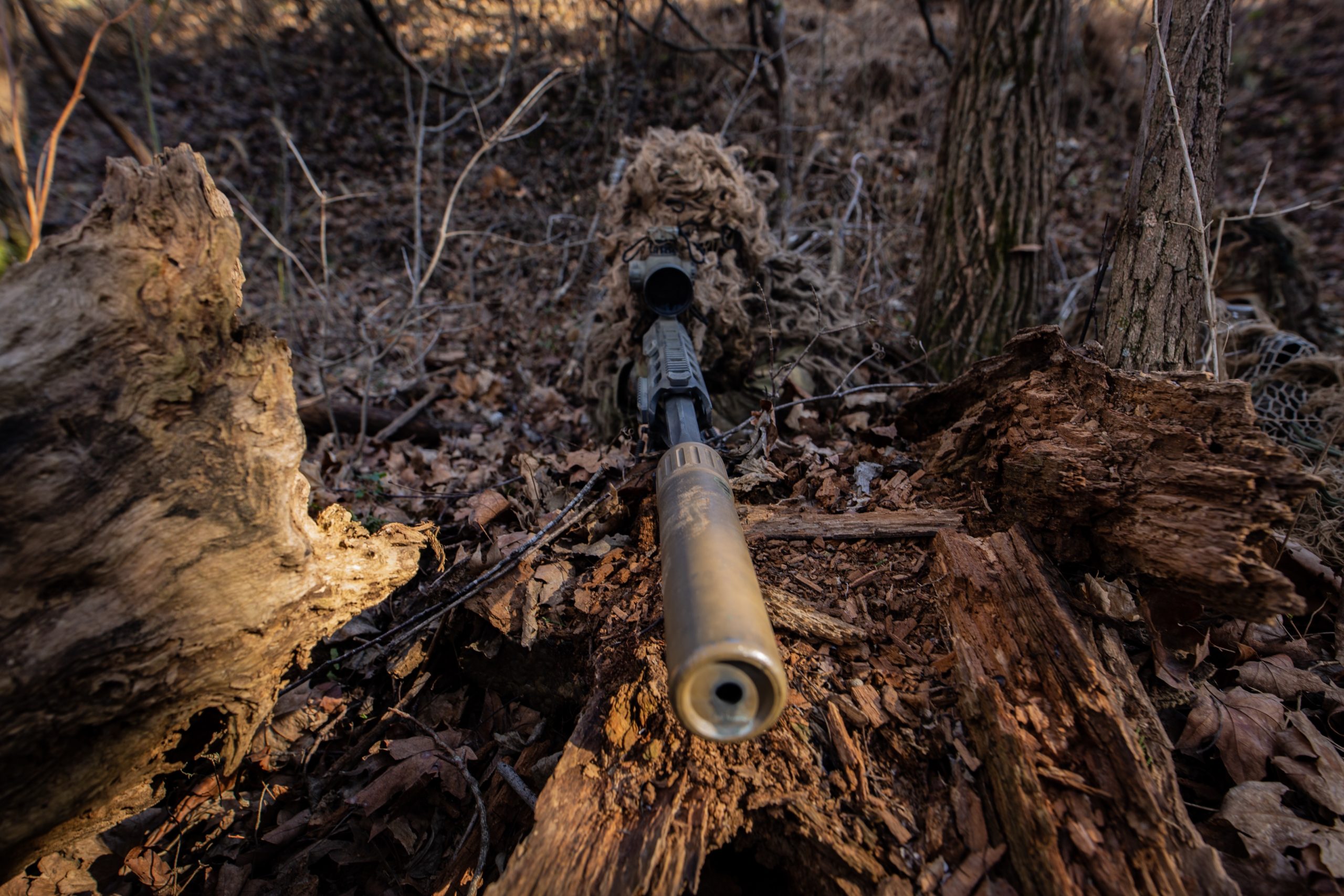
SEAL sniper training is renowned as one of the toughest and most challenging in the world; few can claim the title of Navy SEAL Sniper.

The future of naval warfare hinges on the seamless integration of cutting-edge radar systems like Aegis and Dragon Eye, but as firepower and electronic warfare capabilities collide, the real battle may be fought across invisible airwaves, where control of the electronic battlefield becomes paramount.
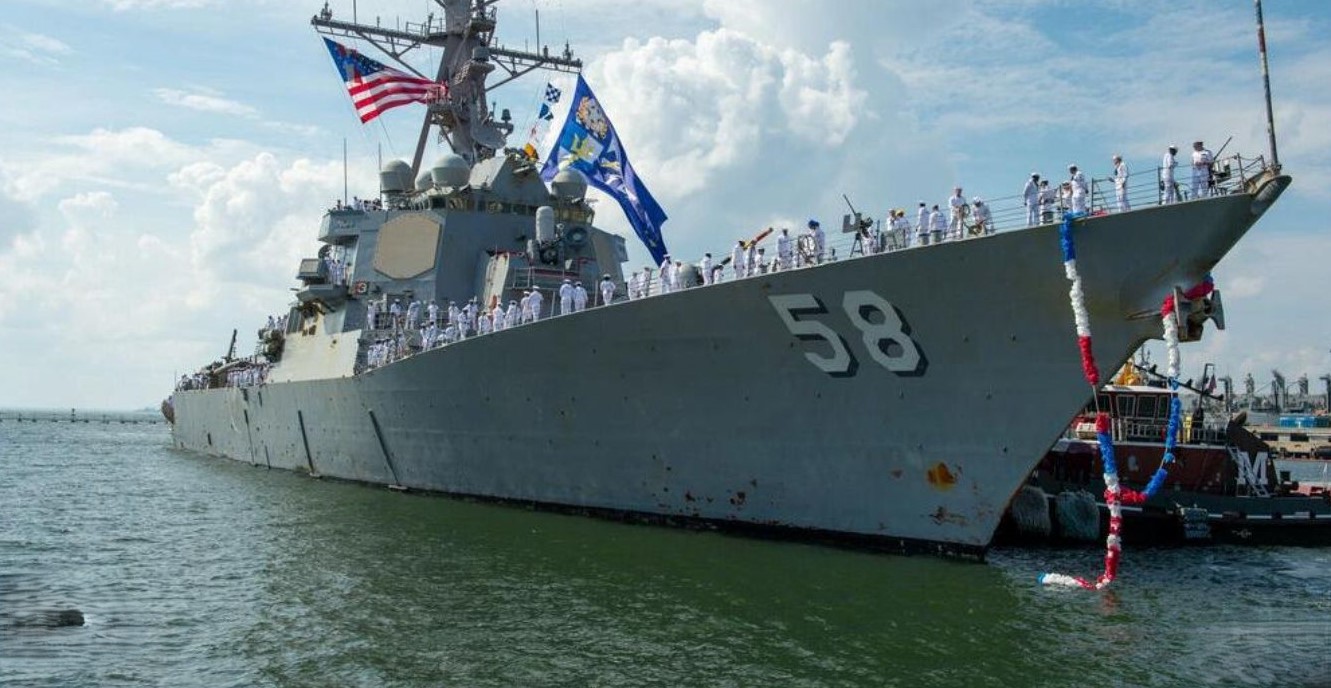
The USS Laboon’s unyielding resilience under fire, backed by the precision of its Aegis Combat System and a crew forged in relentless training, showcased the Navy’s unmatched ability to neutralize modern threats with deadly efficiency.

Hywell is a premium gear brand specializing in heavy-duty Merino wool boot socks for blue-collar professionals and outdoorsmen. Backed by an ironclad 10-Year Warranty.

Praesidus builds rugged, American-assembled watches inspired by historic military timepieces. Designed for accuracy and tested for endurance, each watch is made for outdoor explorers, everyday adventurers, and anyone who needs reliability when it matters.

SIG Sauer is a world-class firearms manufacturer trusted by military, law enforcement, and responsible civilian shooters, delivering precision-engineered weapons, optics, and training systems while maintaining a strong commitment to veteran hiring, American manufacturing, and the professionals who rely on their gear when it matters most.

FightCamp is an at-home boxing and kickboxing training system built around real technique, structured programming, and measurable performance. Members train with fighters and professional coaches while using connected punch and kick trackers that record volume, speed, and power in every round. The result is training that builds conditioning, skill, discipline, and resilience — all from home, on your schedule.

Essential Provisions Field Fuel® meals [ready-to-eat] & sports nutrition products have been developed with the cleanest, high-quality nutrient and energy-dense ingredients available. Research has shown that the whole food nutrients contained in our products have the ability to help.

Have you ever tried to wear a fleece hoodie in bad weather? We don’t recommend it. That’s why we founded BÆRSkin in 2019 – to create the world’s best outdoor gear that’s just as comfortable at home as it is durable outdoors. “Bad fitting, bulky, and boring” is how we felt about 1000’s of regular fleece hoodies we tested.

If you’re 21 or older and use nicotine or tobacco, charge ahead with Black Buffalo, America’s only credible smokeless tobacco alternative. Black Buffalo dips just like the real thing without the tobacco leaf or stem. Find Black Buffalo in Wawa, Circle K, Sheetz, Love’s, Pilot, Racetrac, and many more retail locations across the United States.

Stay Locked In. No Matter What. NEORON is a brain-boosting beverage built for the mission: sugar-free, crash-free, and engineered for clean, tactical focus through long hours and high-stakes operations. Made for those who grind, stay sharp under pressure, and refuse to fold—if failure isn’t an option, NEORON has your six.