

The following piece first appeared on Warrior Maven, a Military Content Group member website.
Key Points and Summary:
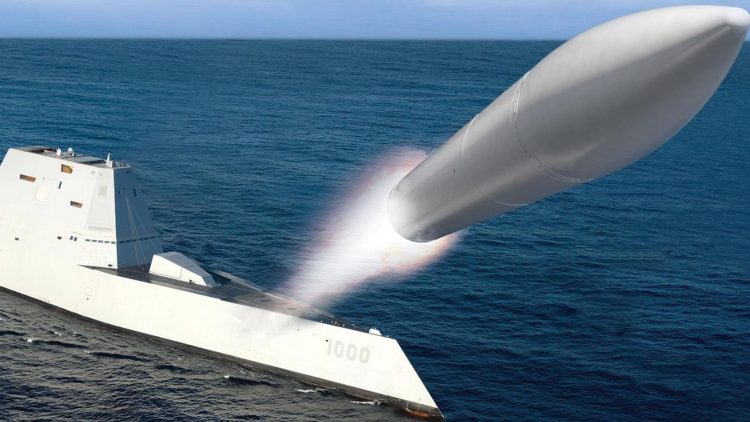
- The US Navy’s Conventional Prompt Strike (CPS) weapon, integrating a Common Glide Body, is set to arm Zumwalt-class destroyers in the near term and submarines by 2029.
- The hypersonic missile’s incredible speed—over six times the speed of sound—allows it to overwhelm enemy defenses, targeting ground formations, air defenses, infrastructure, or ships.
- Despite testing delays, the Pentagon recently reported successful trials, with future upgrades enabling mid-flight course adjustments and engagement of moving targets.
- With China deploying hypersonic YJ-21 missiles and threatening US access near Taiwan, CPS development is critical to maintaining naval power projection and addressing growing hypersonic threats.
Zumwalt-Class Destroyers to Launch Hypersonic Missiles: What to Expect
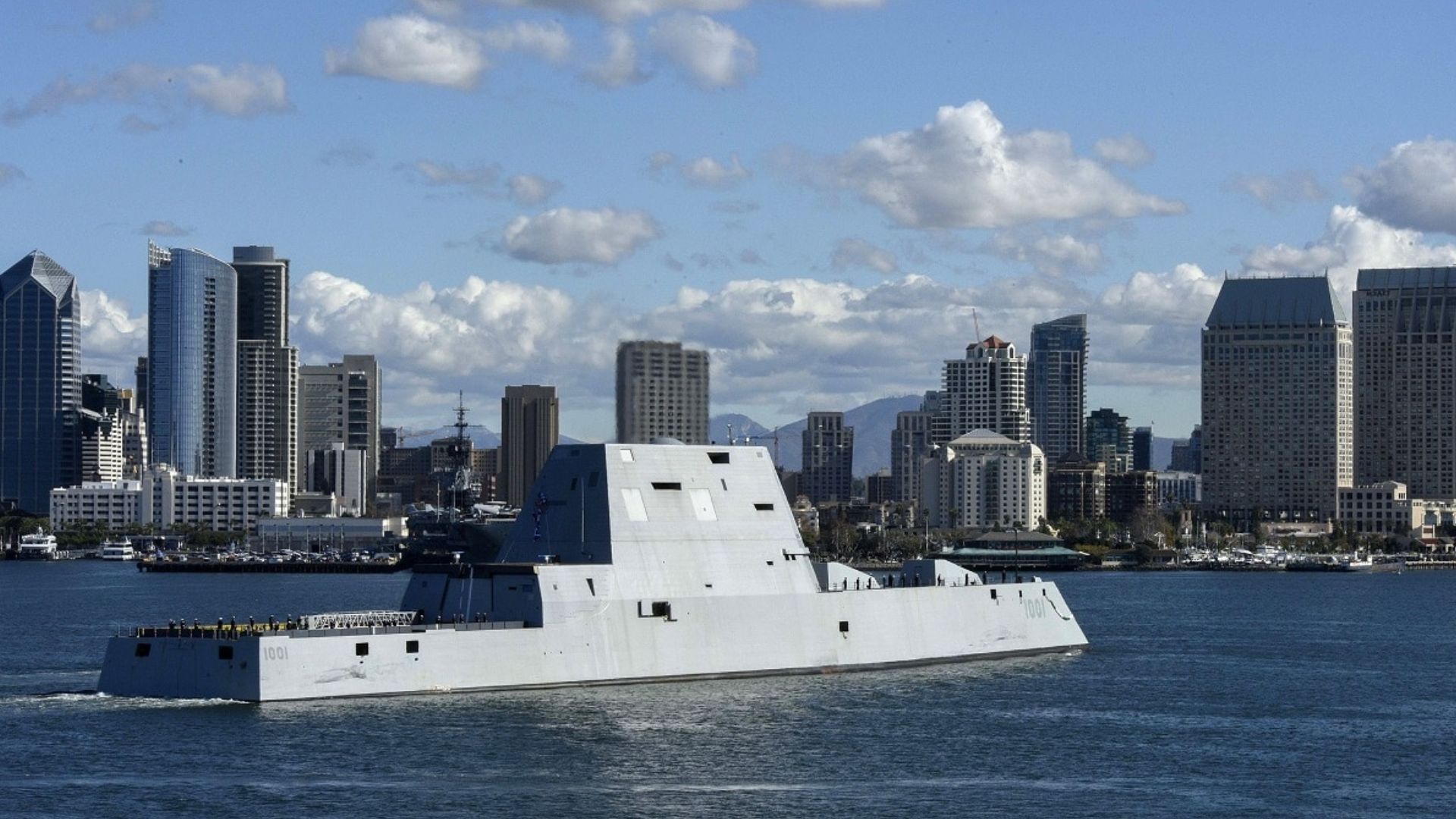
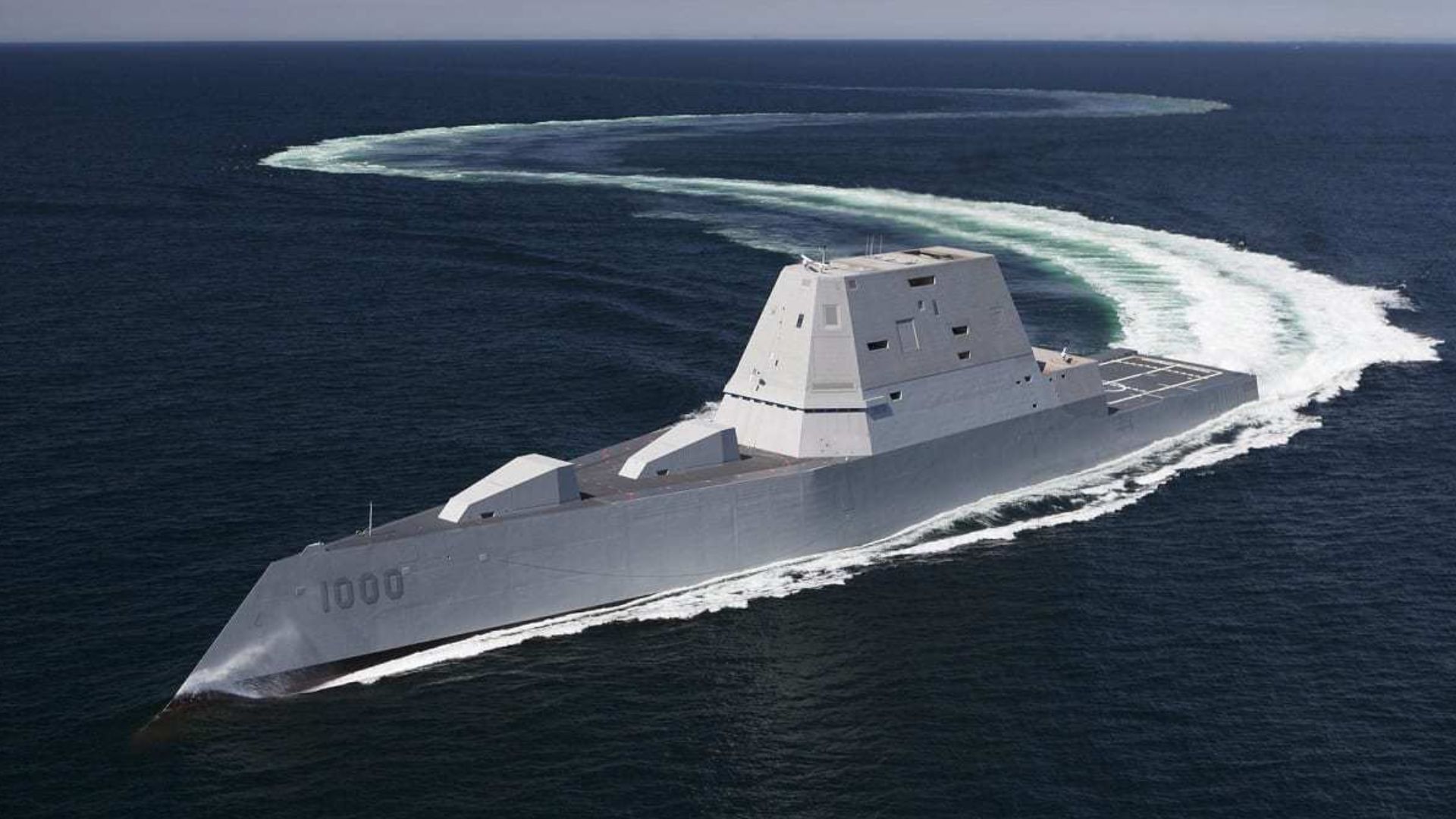
The US Navy’s Conventional Prompt Strike (CPS) weapon has been under development for several years now, and the service plans to arm its fleet of Zumwalt-class destroyers with the weapon within the next few years and launch hypersonic projectiles from undersea submarines by 2029.
The weapon consists of a two-stage solid rocket motor booster designed to pinpoint enemy ground formations, track and destroy enemy air defenses, and even strike fixed infrastructure or ships at sea.
The advantages are clear, as hypersonic weapons bring paradigm-changing speed levels to any kind of missile attack, as they are intended to target, strike, and destroy an enemy target faster than an enemy can respond.
When faced with an incoming projectile traveling at more than six times the speed of sound, enemy commanders may be unable to identify the threat and decide which defense or countermeasure is optimal for a given attack.
CPS Common Glide Body
What weapons platform the Zumwalt-class will get matters, and it could be a true game changer.
The core of the CPS weapon consists of a Common Glide Body, which is used in both the Navy’s sea-launched CPS and the Army’s ground-launched Long Range Hypersonic Weapon.
While each service’s variant and integration of the Common Glide Body is tailored to its particular mission, standard parts, and common components are designed to streamline production for both services.
The weapon is progressing well, as the Pentagon announced a successful Army-Navy all-up-round Common Glide Body test in June 2024.
The test was highly anticipated, as the CPS has encountered some testing delays.
Both Army and Navy hypersonic weapons variants have encountered growing pains in developmental development, yet the services are already thinking about the future of the weapon.
Army and Navy engineers are now working on software upgrades to hypersonic missile systems, called “tech insertions,” which will soon enable hypersonic weapons to adapt course in flight and destroy moving targets.
A key goal of the CPS effort is to close the gap with China. Senior US weapons developers have for years now publicly said that the US is number “3” behind Russia and China in the race to deploy hypersonic weapons.
Russia has already test-fired its famous Tsirkon weapon and recently unveiled its Oreshnik. The People’s Liberation Army Navy has fired its YJ-21 hypersonic missile from the deck of its warships.
Chinese newspapers now say the service can arm its H-6 bombers with an air-launched variant of the hypersonic YJ-21.
Chinese Hypersonic Strategy
This threat scenario is part of why the Pentagon has been fast-tracking and accelerating its hypersonic weapons development effort. Specifically, many Pentagon leaders have expressed concern that China might use its hypersonic weapons advantage to effectively “deny” US naval forces from operating within range of defending Taiwan.
In effect, the Chinese could seek to establish a hypersonic protective bubble around Taiwan, preventing any defending forces from entering close enough to protect the island.
This scenario is often explicitly cited as one of many reasons why the US needs to massively fast-track the deployment of its hypersonic weapons.
Clearly, the faster the Zumwalt-class can get hypersonic weapons, the better.









COMMENTS