

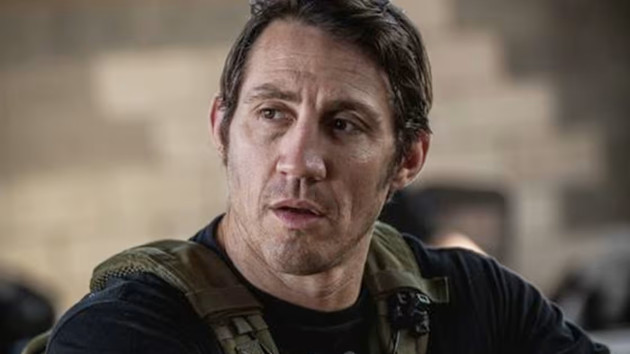
At thirty-eight, I am no longer chasing those ambitions. I am at peace with the choices I made. That peace did not come from pretending those dreams never mattered.
I sometimes imagine how I would have behaved if I had done what he did. I picture myself staring too long at a mirror with a green beret on. Or replaying a UFC walkout more times than necessary. Or tying a belt tighter than it needs to be. I’m honest enough to admit I would have overcompensated. Most men do. The military produces many virtues, but emotional balance is rarely one of them.
I don’t need help telling stories about myself. My own life has already attracted more attention than I ever intended.
So when I learned that Tim Kennedy had been dishonest about his record, I wasn’t angry.
I was crushed.
Everyone engages in some amount of mythmaking. Veterans are no exception. Most of it is harmless. Embellished stories told in bars. Exaggerations meant to entertain or deflect. This was different. The claims didn’t add up. Not in small ways. In ways that matter.
I am not interested in prosecuting this online. I despise that culture. Veteran discourse on the internet has become cruel, theatrical, and obsessed with humiliation. I want no part of it.
I also understand the backlash against what people call “vet bro culture.” Some of it is deserved. Performance without substance deserves skepticism. That said, I don’t believe the answer is silence. We do not live in a world where silence preserves integrity. Men and women who served should be allowed to speak, write, and reflect without being forced into either costume or confession.
My uncle once told me he spent Vietnam eating good French food. Years later, he mentioned he had been somewhere in the orbit of MACV-SOG. That was all he ever said. He didn’t need to elaborate. His generation had different rules. Ours does not.
So I keep asking myself the same question.
Why did he do it?
I don’t know. I suspect it has something to do with self-image and hunger that never quite shuts off. When external achievements stop filling whatever gap is underneath, some people start rewriting the past instead of confronting the present.
Maybe that’s too charitable. What was said was not exaggeration. It was false.
SOFREP exists to tell the stories of America’s warriors honestly. That matters, especially because most Americans will never do a fraction of what men like Tim Kennedy have done in service to their country. There is no value in dragging this out or turning it into spectacle. On a personal level, I am simply trying to understand why this happened.
If readers have thoughts, they are welcome to share them. Civility is the minimum requirement.
Tim, if you choose to respond, you should know that this is not an indictment of your character. Your apology is noted and appreciated. What I’m describing here is disappointment, not condemnation.








COMMENTS