
In fact, early secret squadron pilots of the new fighter were told to begin training and fighting in their new machines, but to not fly faster than a certain speed, for fear of controllability issues. They were basically speed limited, but told to keep flying!
How’s that for development before all the kinks are ironed out?
Seventeen months elapsed before the engineers figured out what happened when the new tailed aircraft crashed, they even continued wind tunnel tests like never before to determine the cause. What they found was incredible. They were the first to discover a new aerodynamic effect based simply on the incredible speed that this new fighter could easily attain.
Engine Woes
It was revealed that the twin-engine fighter has also been fraught with multiple powerplant glitches. The new more powerful engines were causing many failures and in a few cases, these failures happened shortly after takeoff. A few more crashes occurred due to this, and it wasn’t until much later in the program did better procedures evolve to help pilots faced with an engine failure after takeoff. Additionally, the new engines were having difficult problems performing while at altitude.
Due to the high rate of engine failures, a prominent and high-level Three-Star General who commands over 42,000 US military aircraft actually canceled the use of this new fighter for the emerging secret squadrons that flew it. In fact, the new fighter was completely removed from service in one theater of operation.
Other key performance limitations were also found. The size, shape, and design of the fighter made it easy to gain a ‘tally’ by enemy aircraft, cockpit environmental controls were weak and often failed thus freezing the pilot, airframe speed restrictions remained in-place, engines kept failing as no fix has yet to be identified, and unfortunately, some of the aerobatic performance and roll rates of the new fighter are turning out to be abysmal.
Lockheed’s new “fighter” seems to be another turkey, with so many problems. Why would a government back it and fund it? Especially so early in the secret program.
The Truth
Okay, so you may have figured out by now that we are not talking about a new secret fighter jet that has recently emerged from the black. We are in-fact talking about one of the most famous and capable fighters ever produced. The P-38 Lightning. Everything you read above however, is true.
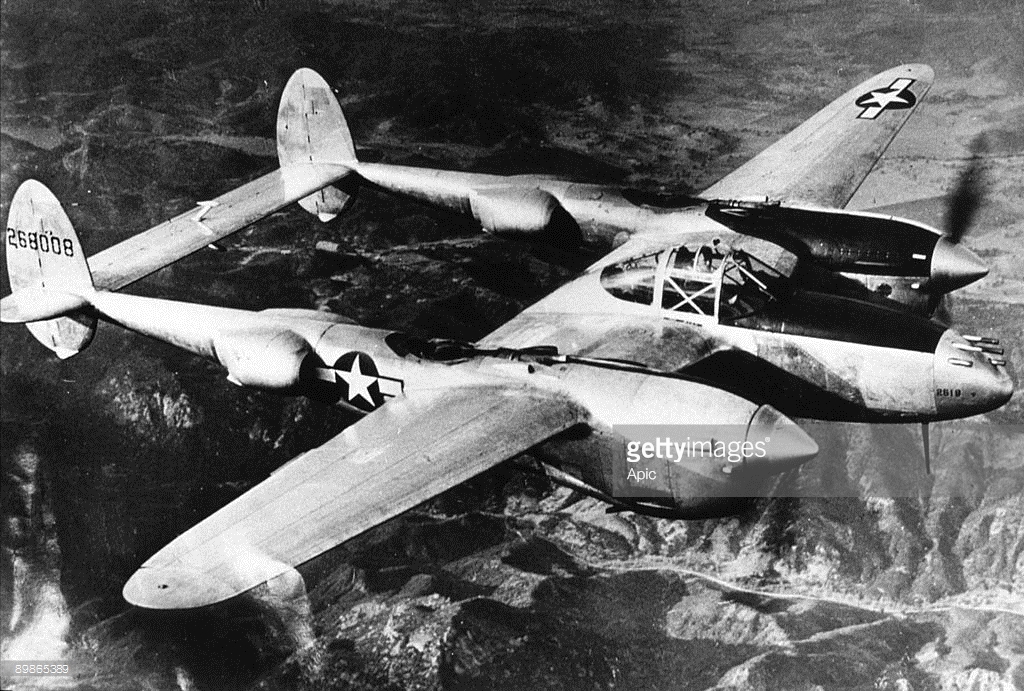
The P-38 Lightning would enter WWII as the proverbial turkey, but it would emerge as one of the best, and finest fighters in the war. Despite its shortcomings with engines and tail flutter, crashes, and even being removed from the European theater by General Jimmy Doolittle, the P-38 was an exceptional fighter. Pilots of the P-38 racked up thousands of air-to-air kills (1,800+ in the Pacific alone).
The P-38 shot down more Japanese airplanes than any other airplane in the war. Seven of the top U.S. aces flew the Lightning. The P-38 was also used in the mission to shoot down Admiral Yamamoto’s plane and at the time it was the only American fighter that could fly this lengthy of a mission at 750 miles. It was also the first fighter to fly faster than 400 mph, and could reliably shot and hit targets at 1,000 yards. Most other fighters at the time were only effective out to 100-250 yards.
It was an impressive design with amazing capabilities well ahead of its time, even despite some of the limitations and problems found in test.
Takeaways
Airplane and airplane design, as well as development, has always been a moving target. New designs are tested, broken, and fixed or adjusted, and tested again. Sometimes designs are even funded and built during the on-going test phase, before a final version is agreed upon.
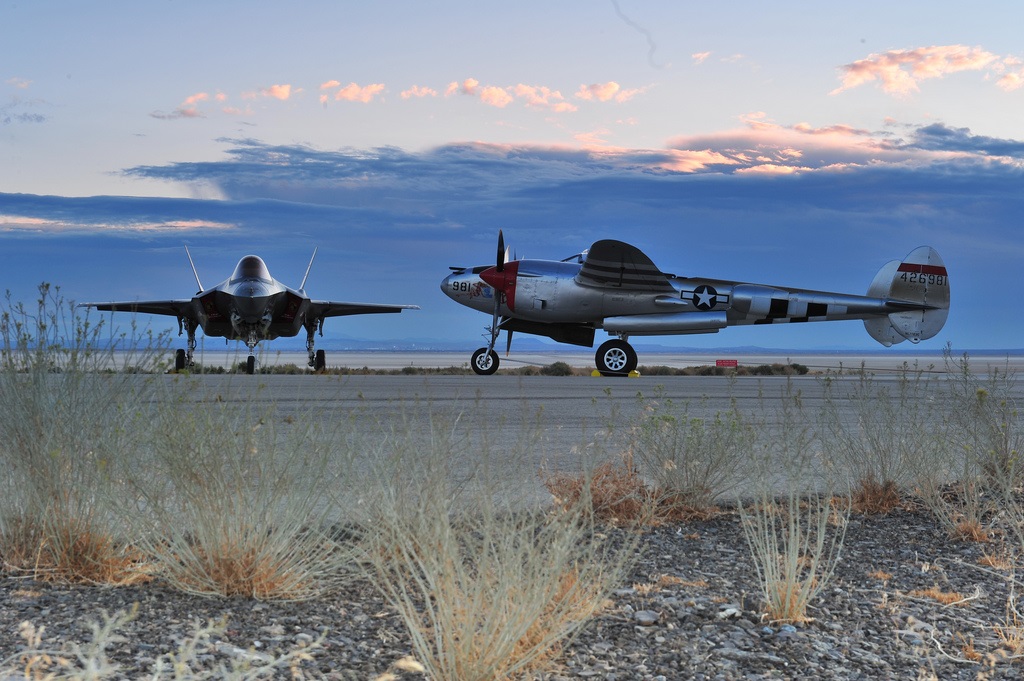
Things are no different today with the F-35 than they were in the late 1930s when the P-38 was under development. Rushed into service due to the obvious need of the day, the P-38 rose to the challenge and became one of the finest aircraft of its time, with the guidance of the exceptional pilots and engineers of Lockheed.
What do you think the comments would have been if the world had social media in the late 30s and during WWII? I’m sure the failures and adjustments of the P-38 would have been hotly debated and discussed, and even war-tattered pilots would be touting its merits as well as voicing concerns over its limitations. And news agencies would be quick to bite.
What’s important to remember, is that aircraft are built and flown by professionals, problems are identified, and changes are implemented. The aircraft gets better, and in the end one heck of a machine emerges as a result. No aircraft is perfect right off the drawing board.
Especially when you are looking at quantum leaps in technology like we are with the F-35, or the twin engine racy design of the P-38.
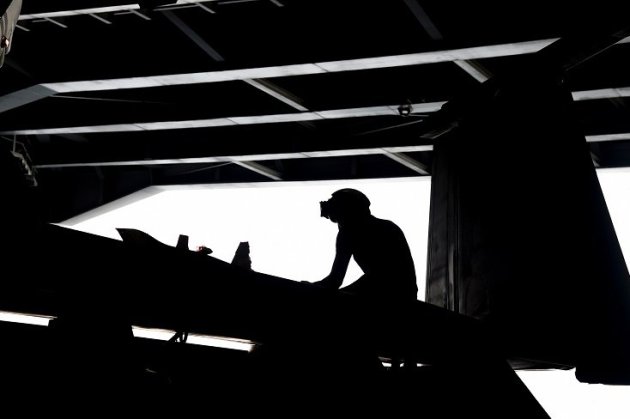
Featured image courtesy of Department of Defense
This article was originally published on Fighter Sweep and written by NATE JAROS








COMMENTS