

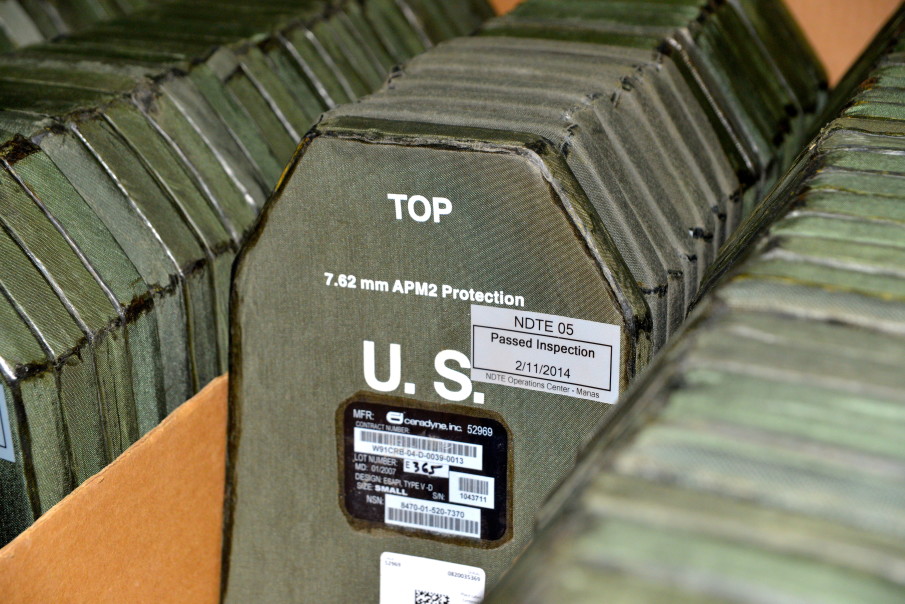
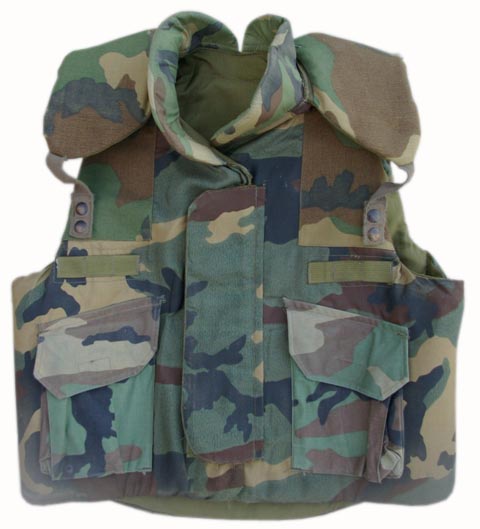
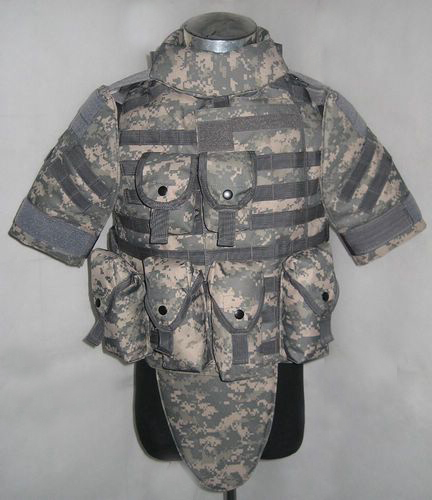

Some claim that titanium are the best plates, that the material allows lighter weights and excellent protection. Titanium stops up to 7.62mm and can be comparable in cost to lesser materials. Titanium plates are generally heavier than ceramic composite plates of equal stopping power. ESAPI titanium plates weigh upwards of 10 pounds.
Those within SOCOM say to avoid law enforcement armor, especially plates, as a level III plate will not stop a 5.56mm green tip. It takes level IV for that, or any of the SAPI or ESAPI plates.
Notes on ballistic plate ratings
Level I is not recommended. It dates back to earlier plate technology and is rated to stop only fragments and low-velocity pistol rounds such as .22 and .38. The odds of being abducted by aliens are better than you being shot at these days by someone with a .38.
Level II is rated to stop the majority of pistol rounds and also 12 gauge buckshot.
Level III is rated for all pistol rounds up to and including .44 Magnum at 1,400 fps (feet per second). Level III is also the first level rated to provide protection against rifle rounds, specifically .308 Winchester full metal jacket rounds and 7.62x51mm NATO rounds, and are tested for six hits and projectiles moving at 2,750 fps. Plate materials tested include 1/4″ ballistic steel, 1/2″ ceramic, and 1″ polyethylene.
There are level III plates that stop ball ammo and mild steel-core ammo, but are butter to AP rounds. So, in an environment with lots of AP rounds flying, those plates, and those who wear them, are at risk.
Level IV is, of course, the highest-rated body armor plates. It is rated for .30-06 AP rounds and .30 M2 AP rounds, but for just one hit at 2,850 fps. Materials tested are 3/4″ ceramic and 1/2″ ballistic steel, though the latter is best suited for vehicle armor, as 1/2″ steel is too heavy for any grunt to wear around for any length of time.
Level IV is tested only for one hit, so it is wise to verify multi-hit testing when shopping for level IV plates and vests, just as it is wise to know who makes and tests your food.
XSAPI is the “next generation” of SAPI plates, which will provide yet more stopping power and less weight. The Army is working on XSAPI to stop rounds that punch through ESAPI like paper, rounds such as the new 5.56mm that has a hardened penetrator and is true AP, as well as M993 and M995 rounds. The bad guys always have, or do not take long to get, equivalent rounds every time we come out with and start issuing better, faster, and more deadly ammunition.
It is expected that XSAPI plates will have longer lifespans and be more durable—able to sustain more hits and remain operational. Plates and body armor of all types will continue to be manufactured with longer lives superior durability. But no armor will ever have unlimited life. Nothing does.
Nippling is something to be aware of and avoid. Various makes of plates, ceramic plates in particular, allow for deformations, or nipples, to form in the ballistic material, but claim no penetration. But if a plate allows an eight-inch spike into the wearer, that’s every bit as bad as allowing the bullet to pass through. These types of plates are often lighter than ESAPI plates, but that comes at an obvious cost.
So, when shopping for that special Christmas vest, also keep in mind that there is a lot of Nerf/Airsoft armor on the market intended for fanboys and fools. Do not be that guy. Do your research and be informed, just as you would when buying a car or a computer. When shopping for ballistic vests, you want ESAPI plates, level IIIA at a minimum. If you have a plate or vest that will stop multiple hits from .30-06 armor-piercing rounds, then you are probably good to go and needn’t shop any more.
The future
Military and law enforcement markets are constantly pursuing that Holy Grail of body armor: ballistic plates that weight next to nothing and can stop a .338 Lapua round. Toward that end, in the future, ballistic materials may move away entirely from steel and ballistic fibers.
Research and development is being done now involving much lighter materials, such as gels, foams, and even liquids. There will probably be materials no one has yet even conceived made into paper-thin plates that can be slipped into a blazer or suit jacket and can stop .44 or even 7.62 mm rounds.

There are some who now claim that the end of the rainbow is a one-pound chest plate that can stop a .50-caliber round and allow the wearer to remain standing. Others think that plates will go way beyond that.
Stay tuned for part three, the future of civilian vests in three markets: ballistic armor, concealment, and protection against biological agents.
Author’s note: I know there are many readers who will take issue with some of the content and details within this article, especially concerning information omitted. This is a complex subject. I welcome your comments.








COMMENTS