

The Terrorism Charge: A Legal Precedent
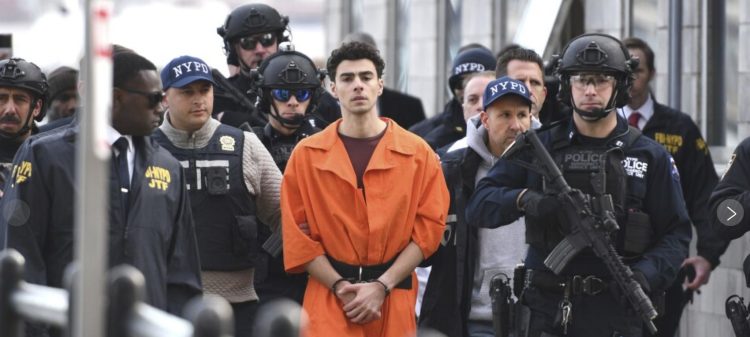
The decision to prosecute Mangione under anti-terrorism statutes has sparked considerable legal debate. Enacted in the aftermath of the September 11 attacks, New York’s anti-terrorism law was designed to address acts intended to intimidate or coerce civilian populations or influence government policy through violence. Its application in this case raises questions about the boundaries of such statutes and their use in prosecuting crimes that, while heinous, do not fit the traditional mold of terrorism.
Legal experts suggest that the prosecution’s strategy may be to leverage the terrorism charge to secure a more severe sentence, reflecting the broader societal impact of the crime. However, this approach also opens the door for the defense to challenge the applicability of the statute, potentially setting new legal precedents.
Defense Strategy and Challenges
Agnifilo has been vocal in her criticism of the charges and the treatment of her client. She contends that the multiple jurisdictions pursuing charges—state murder charges in New York, federal charges, and additional state charges in Pennsylvania—constitute an overreach and may prejudice the jury pool. Furthermore, she has expressed concerns about Mangione’s portrayal in the media, arguing that extensive coverage and public statements by officials could impede his right to a fair trial.
The defense may explore several avenues, including challenging the terrorism designation and scrutinizing the evidence’s chain of custody. Additionally, given the manifesto allegedly found in Mangione’s possession, there may be considerations of his mental state and potential arguments related to diminished capacity.
Public Sentiment and Fan Following
Mangione has gained a surprising and controversial fan following. Since his arrest on December 9, 2024, the public’s fascination with him has only grown, sparking debates about crime, celebrity culture, and frustration with the healthcare system. As of February 2025, his supporters continue to rally behind him, expressing their twisted admiration in various ways.
Mangione’s supporters come from diverse backgrounds, and their enthusiasm has manifested in several forms. His X (formerly Twitter) account saw an explosion in popularity, gaining over 400,000 followers after the shooting. Hashtag movements like #FreeLuigi have been shared over 50,000 times, reaching tens of millions of people online. Financial backing has also played a role, with 163 deposits made to his jail account in Pennsylvania. In addition, he has received 54 emails and 87 letters from admirers, some of whom view him as a symbol of rebellion.
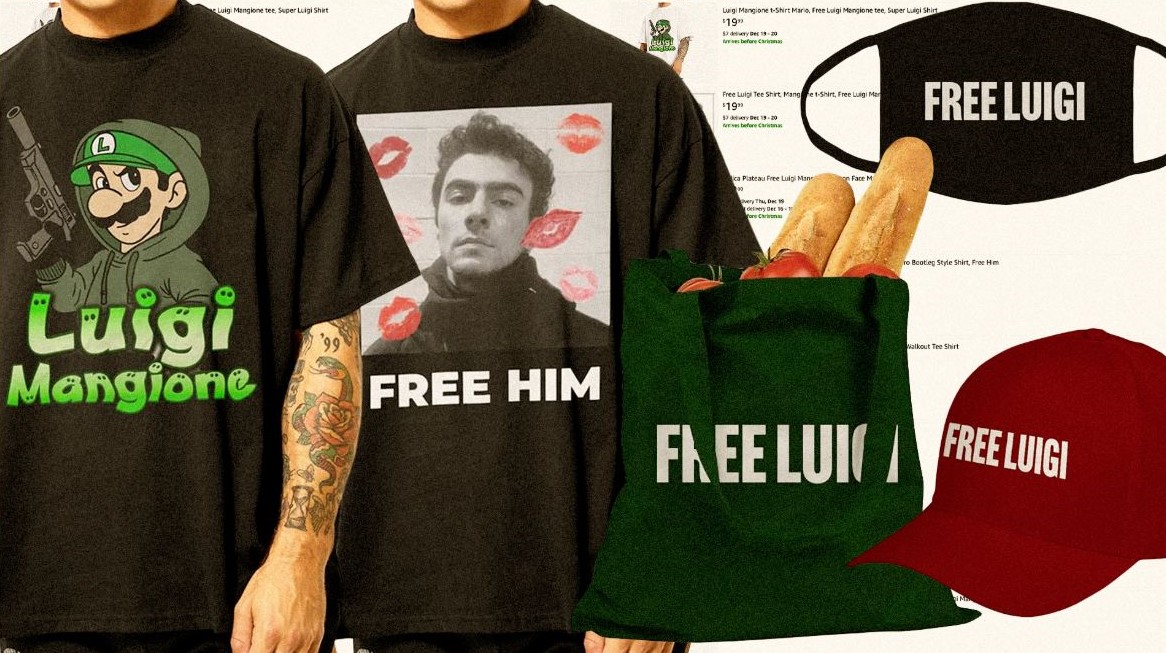
There are several reasons why Mangione has attracted such a following. Many supporters see him as a figure of resistance against what they perceive as the corruption and inefficiencies of the U.S. healthcare system. Interestingly, his appeal transcends political divides, with individuals from both conservative and progressive backgrounds expressing admiration for him. His physical appearance has also contributed to his notoriety—he has been dubbed the “hot assassin” by some, leading to romanticized depictions of him online. Others view his actions as an anti-establishment statement, a form of retribution against corporate elites.
Some of the behaviors associated with his supporters have taken an unusual turn. Reports indicate that some fans have tattooed images of Mangione onto their bodies, while others have produced and sold merchandise featuring his likeness. Social media is filled with videos and posts expressing romantic interest in him, further fueling his strange rise to fame. One particularly odd detail that fans have fixated on is the $270+ backpack Mangione allegedly dropped in Central Park after the shooting. Crowdfunding efforts have also emerged, with supporters raising money for his legal defense.
The cultural impact of Mangione’s case is being compared to past criminal idolization, such as the infamous figures of Bonnie and Clyde. His situation highlights how modern digital culture can transform alleged criminals into controversial public figures, blurring the lines between notoriety and celebrity. This phenomenon raises deeper questions about the role of social media in shaping public perception, the growing distrust of corporate institutions, and the psychological factors behind criminal fandom. Whether viewed as a folk hero or a dangerous figure, Mangione’s case reminds us of how crime, media, and public sentiment can intersect in unexpected ways.
Wrap Up
As Luigi Mangione’s legal proceedings advance, the case stands at the confluence of criminal law, terrorism statutes, and public policy debates. The outcome will not only determine Mangione’s fate but may also influence future applications of anti-terrorism laws and catalyze discussions on reforming the healthcare industry.
In the court of public opinion, as well as the halls of justice, the reverberations of this case are poised to resonate for years to come.








COMMENTS