

- Part I (Overview)
- Part II (Outlining the Putin Doctrine)
- Part III (Domestic policy and the re-adjusted Russian foreign policy)
- Part IV (Conclusion)
In the weeks and months to come, issues such as the enlargement of the North Atlantic Treaty Organization (NATO) and plans for a missile defense shield will once again be front and center in the wider debate about the the role the United States should play within the international system. Specifically, calls for a renewed effort to project American power will find strong allies in key positions in Congress and among candidates for President. The fallout in political circles in the United States is beginning to reflect a reinvigorated sense of assertiveness among the more interventionist sectors of American politics.
What follows in the wake of disasters such as that which has occurred in Donetsk will be a battleground of ideals. In pushing for the absorption of more former Soviet near abroad nations such as Georgia, NATO risks escalating the crisis between The West and Russia. Interests are currently colliding along a collection of fracture points, to include contested areas and regions occupied by foreign troops. Americans will once again be beset upon by television pundits, politicians, and assorted public intellectuals who will note the sudden importance of specific foreign regions.
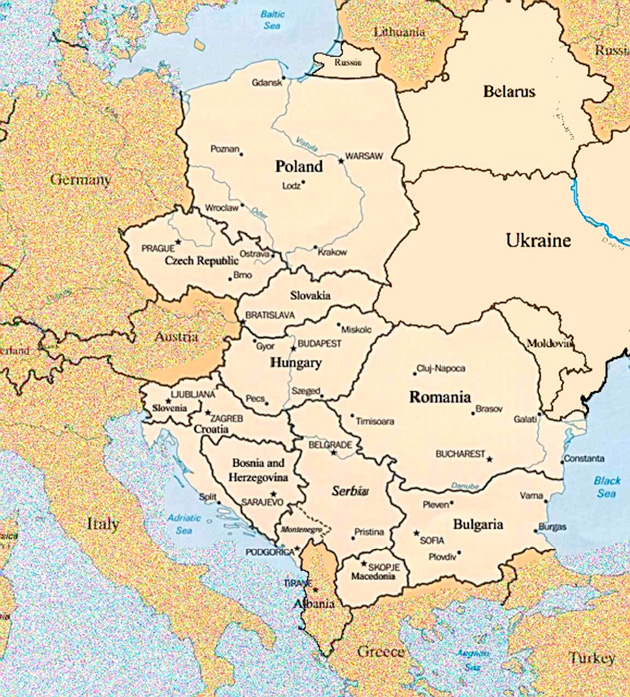
Both The West and Russia will apply pressure and influence upon those strategic areas. Regions such as Abkhazia, Găgăuzia, the former Yugoslavia, and the Caucasus will once again be the subject of debate and prognostication. The Kremlin has also rekindled its historical ties with the government of Cuba in an effort to galvanize support in the western hemisphere and seeks a strategic balance to the encroachment of NATO into the Russian near abroad. Their importance, even in spite of the hand-wringing, cannot be understated. I will be addressing these topics in greater detail in subsequent articles both at Foreign Intrigue and here at SOFREP.
Neoconservatives, preoccupied with asserting American power forthrightly throughout the contested areas of the world, will find ideological foes among the Realists who warned of imperial overstretch in the years following the attacks by Al Qaeda on New York City, Washington DC, and Pennsylvania on September 11, 2001. This battle of ideals is likely to intensify in short order, impacted by the approaching campaign season and the presidential election in 2016. Candidates will seek to establish their bonafides to be Commander in Chief by assuming stronger and more combative postures towards Russian policy, and will make the Kremlin a major enemy on which to project American power.
While public statements will not necessarily reflect a change in American foreign policy, such rhetoric can have a negative impact on policy. As the American public has vacillated between aggressive interventionism and back towards neo-isolationism on both ends of the proverbial political spectrum since 2001, so has the rhetoric of American politicians reflected these changes.
Make no mistake: this is not an either/or proposition in establishing the direction that will define the future of American foreign policy. No single event or series of events should have the sway over the direction of policy. The direction of American policy should be defined by the future best interests of the United States. In this ideological battle, the resurgence of interventionist-minded neoconservatives will be pitted against the Realism and pragmatism.
The solution exists in the area at which these two often competing viewpoints conflate. However, it is essential to the safeguarding of our security interests to remain strongly engaged. This involves an assertive implementation of American power in conflicts where vital American interests are at stake. These interests exist in Ukraine for several reasons, all derived of geopolitical value. The future of European economic and security strategy relies largely on the support of the United States. Consequently, the future of American security interests relies heavily upon the support of our allies in Europe, especially in the East. Therefore, it is essential that the Obama Administration remain strongly engaged in establishing U.S. support for self-determination in Ukraine and repelling the latent influence of the Kremlin in fomenting conflict and fracturing the country.
As is often the case with ideologues, those propagating an either/or option remain so tightly focused upon ideological goals that they fail to address the causes of the conflicts, thus ensuring the perpetuation of the conflict. There are hybrid solutions to be found in compromise between the two camps. Failing to address what is catalyzing conflict ensures the perpetuation of conflict. This perpetuation can draw the U.S. further into international conflict and drain essential national resources. However, ignoring the conflict and withdrawing from confrontation under the guise of prioritizing domestic concerns over those of foreign policy interests is equally as disastrous as leaping into confrontation without an understanding for the potential consequences for action.
The conflict in Ukraine, specifically the incident involving Malaysia Flight 17, requires a methodical approach that considers all consequences for action and inaction. These consequences will largely define the success or failure of U.S. pursuit of its interests in the coming decades. America has a role in sorting out this conflict. It is likely that emerging European nations, those such as Poland and the Baltics, will be very supportive of American involvement in the effort to facilitate a resolution to the conflict. However, the American response must take into consideration the effects that action and inaction will have on both American interests and those of our European allies. It is essential that thoughtful minds counsel against rash action in lieu of methodical, decisive consideration of the consequences for American involvement for the future of American foreign policy.
American policies implemented as responses to events such as the downing of the airliner in Donetsk will be important components of the defining aspects of the future path of American national security strategy. Public blustering does little to further substantive debate on topics of national security interest and U.S. foreign policy. Those issuing calls for immediate military response and diplomatic disengagement with self-serving political rhetoric do little to further substantive debate and consequently do significant damage to the ability of policymakers to establish courses of action that serve the interests of U.S. policy.
It is important to assess the consequences for each option and to assess the likelihood for successful strengthening and furthering of American interest. That requires patience and a methodical, careful, and thoughtful examination of the potential ramifications for each course of action.
(Featured photo courtesy of Wikimedia Commons)








COMMENTS