

Who’s Muammar Gaddafi? He was Libya’s leader from 1969 to 2011 and remains a complex figure. He seized power in a coup and ruled with an iron fist, using oil wealth to improve living standards for many Libyans but also cracking down on dissent. His socialist and pan-Arab ideology put him at odds with the West, leading to sanctions and accusations of terrorism support.
The 2011 uprising that ended his rule exposed deep divisions within Libya, and the country has struggled with instability and violence ever since.
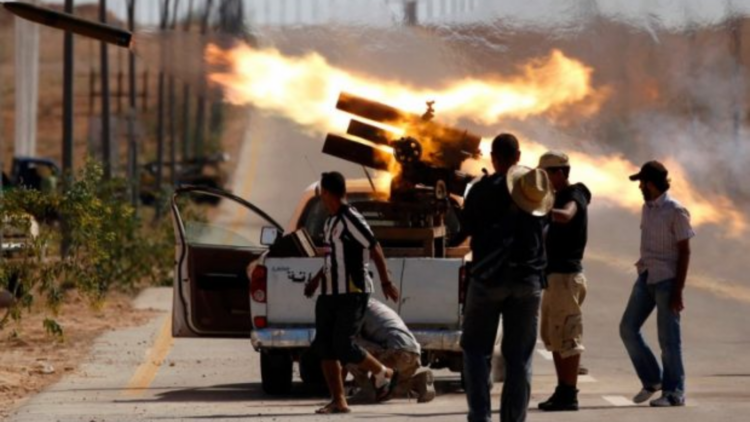
Legacy of Militias Haunts Libya’s Security
Despite receiving public funds, these groups operate with a high degree of autonomy, existing outside the direct control of the ministries of interior or defense.
This lack of control presents a significant security threat.
In August 2023, clashes between Al-Radaa and the 444 Brigade resulted in Tripoli’s deadliest violence in a year, claiming 55 lives.
Just this February, further clashes left at least 10 people dead, prompting the United Nations mission in Libya to express deep concern about the capital’s “fragile security.”
#BREAKING
Clashes between armed groups in Libyan capital Tripoli.https://t.co/PzK4AXb3CT pic.twitter.com/CDCSs69F1U— Libya Review (@LibyaReview) April 11, 2024
Plans for Reform, Need for Urgency
In an attempt to quell the violence, Interior Minister Imad Trabelsi previously announced plans to replace these armed groups with regular security forces.
However, the details and timeline for implementing this plan remain unclear.
The recent clashes underscore the urgency of addressing this issue.
A Divided Nation, A Fragile Future
Libya’s path towards lasting peace and stability remains fraught with challenges.
The country is still divided between rival administrations in the east and west, further complicating efforts to establish a unified and effective security apparatus.
The international community has a crucial role to play in supporting Libya’s government in addressing these challenges.
Measures to disarm and integrate these armed groups into a legitimate security structure, coupled with efforts to promote national reconciliation, are essential for fostering long-term stability.
Thursday night’s violence serves as a chilling reminder of the tenuous nature of Libya’s security situation.
The way forward necessitates a concerted effort from the Libyan government, backed by the international community, to address the root causes of this instability and establish a unified and accountable security force capable of safeguarding the peace and security of all Libyans.








COMMENTS