
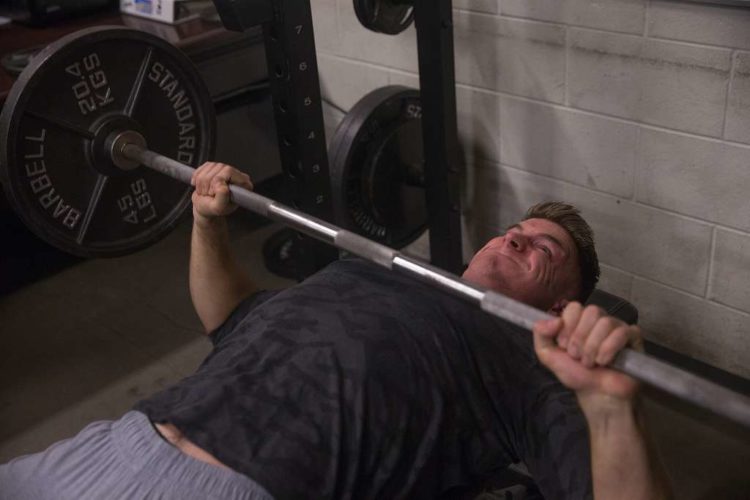
Most people won’t have to worry about too much shoulder tension when bringing the bar over their chest during the lift-off as long as they are far away enough for the safety pins to be cleared. On the other hand, some people may prefer to scoot closer to or further from the bar (bar over mouth/nose or bar over the neck, respectively). Do whatever feels most comfortable for you, but remember that it’s a tradeoff between the chance of bumping the bar into the pins as you perform your set versus shoulder strain as you lift the bar.
Having a spotter is different than not having one. You can start the bar over your eyes if you have a spotter present. Others prefer to start the bar over their eyes since you won’t have to worry about the safety pins interfering with my lift since the spotter takes away the shoulder strain.
#5. A horse has six points of contact.
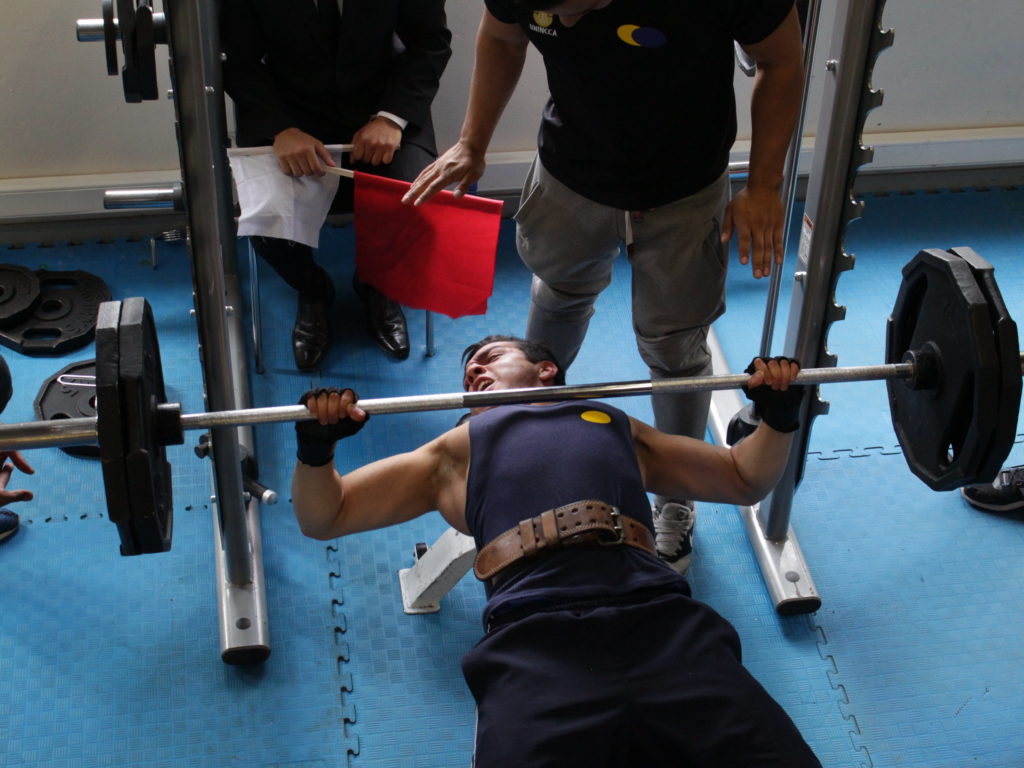
Make sure that your head, shoulders, and buttocks are in contact with the bench the entire time and that your feet are planted firmly on the ground.
The five points of contact, usually referred to as the lower back, is the fifth point of contact, but if you know what you are doing and want to maximize strength production, keeping your back on the bench is unnecessary.
#6. Arching your back is essential.
Before sitting on the bench, create a slight arch so that your body doesn’t come in contact with your buttocks and upper back/shoulder areas.
You can bring your feet as far back as possible by bending your knees more, but make sure your feet don’t come off the ground or go overboard to create an exaggerated arch.
Some bodybuilders or average gym-goers might not employ this bench press tip, as maximizing their bench pressing strength is not their goal.
#7. Your lat muscles need to be tightened.
Your upper back and lat muscles play a role in this pushing exercise, even though it is a chest exercise. They assist in stabilizing the resistance against your body, particularly at the end of the rep.
#8. Keeping your wrists straight with knuckles to the ceiling is how to stay focused and motivated.
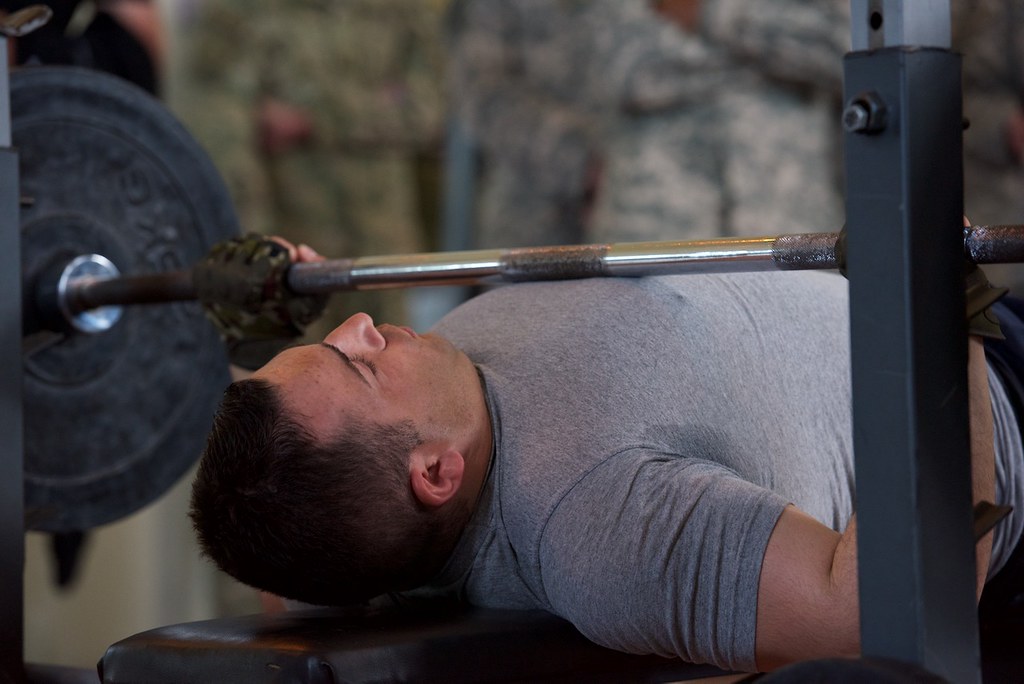
When you grip the barbell, your wrists should remain straight. If they bend backward, not only are your wrists strained, but the power transfer from your shoulders to the barbell is inefficient, so your strength is hampered.
#9. Keep your elbows close to your body.
Healthy shoulder joints later in life are vital if you want to bench press properly.
It’s disheartening to see trainees performing bodybuilding-style bench presses, a movement in which elbows are flared out to supposedly target the chest muscles better. Unfortunately, while it may target the chest better, it harms the shoulder joints over time.
Having your elbows tucked in will significantly and instantly increase your bench press if you need more time to convince you.
#10. Choking the bar to death
Using a death grip on the barbell is a quick and easy way to squeeze out a few extra pounds on the bench press. It makes you feel more in control of the bar’s movement and helps you tense up the other assisting muscles.
#11. To strengthen opposing muscles, please take a moment to firm up the muscles in your hands by making a fist.
Improving your strength on back and bicep exercises is one of the most effective bench press tips, yet it is often overlooked.
The bench press involves the opposing muscle groups of the back and biceps. The more strength these muscles have, the more weight you can add to the bench press and develop them.
#12. Improve your secondary muscles
The triceps and front deltoids are the secondary muscle groups involved in the bench press exercise. These secondary muscles may be a weak link restricting progress, so strengthening them might rejuvenate your results.
#13. Do one-rep warm-ups before your workout.
Having the ability to perform better during your work sets if you do just 1 rep with more than 100% of your working set weight is one of my favorite bench press tips.
If you want to lift 185 pounds five times for your work sets, you should do one warm-up set of 190-200 pounds for one rep.
Understanding how to bench press properly and avoiding common mistakes can help you build more strength and break through plateaus. These tips are meant to help you achieve your goals; therefore, only utilize the ones pertinent to your situation and objectives.
Ready to level up your bench press game? Build your own home gym setup today!








COMMENTS