

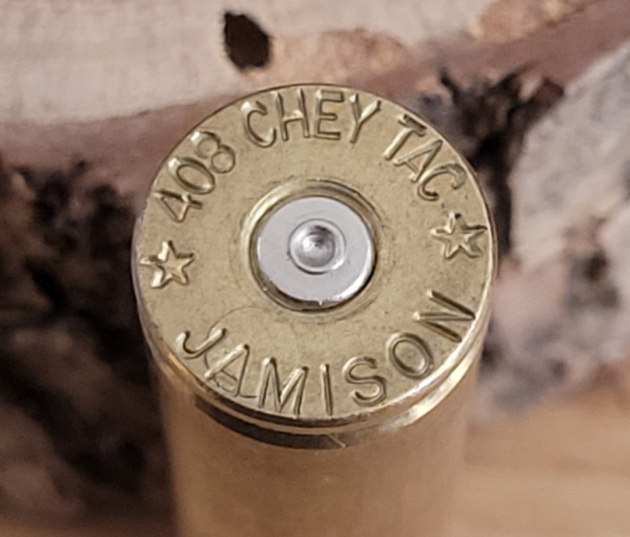
“Contact.” Griffin’s confirmation came immediately. He settled deeper into position.
“Seven point seven mils up and one point five mils right of the bush cluster.”
“Contact.” Griffin’s breathing slowed noticeably.
“Target in the sun. Three mils from the left edge of the bush group. Brightly offset. Twenty-two mils below the boulders.”
Kris was impressed by Griffin’s rapid acquisition.
“Parallax and mils.” He initiated shot preparation while checking the anemometer himself. Small fan whirring softly. Wind had intensified slightly. Five kilometers per hour from seven o’clock relative to their position. They’d be shooting across a depression. Wind follows terrain like water. No guarantee it would maintain consistent direction throughout the bullet’s flight path.
“0.6 mils.” Griffin’s report. Sweat beaded his forehead despite cool air. He confirmed he’d identified the correct target, though mil estimation wouldn’t suffice for accuracy at this distance. They’d rely entirely on laser rangefinder data.
Kris examined mid-range terrain with his spotter scope. Vegetation movement showed the wind shifting direction to four o’clock after entering the depression, following the land’s contour. He incorporated the assessment into the ballistic computer. Keys clicking softly under his fingers.
“19.8 high.”
Griffin established his breathing rhythm immediately. Chest rising and falling in controlled pattern.
“Ready.” The confirmation came as he entered natural respiratory pause. Body completely still.
“0.4 right.”
The shot broke instantly. The muzzle brake redirected the enormous blast to the sides. The report was sharp. Unlike the SIG Cross, the Voere X4 used a two-chamber muzzle brake rather than a suppressor. Recoil reduction for Griffin, but Kris had to contend with redirected gases. Acrid smell stinging his nostrils. Years of experience kept him from flinching. He tracked the air turbulence generated by the massive 419-grain bullet through his spotter scope. Flight time of 3.2 seconds provided adequate opportunity for observation. Each heartbeat seemed to last an eternity.
The bullet missed its mark. Slightly high and left.
Damn. At least he’d seen the turbulence.
“Half target width down, one target width right.” Immediate correction, voice tight with concentration.
Griffin had already worked the three-lug bolt. Fresh round chambered. Metal against metal crisp in the afternoon air. The second shot broke moments later. After more than three seconds of tense waiting, the bullet struck the right edge of the target.
Both shooters exhaled in relief. Only then realizing how tightly wound they’d been. Adrenaline tasted metallic in their mouths.
“Wind is wind,” Sergeant Major Fuchs commented from behind, voice carrying over the ringing in their ears. “Not bad so far, but a rifle like that practically shoots itself.”
You really can’t please this man, Kris thought as the instructor continued, mouth twitching with what might have been a suppressed smile.
“I have one more target for you.”
A target bearing spray-painted signal-orange cross appeared at the range’s extreme edge. Stark against browns and greens of natural landscape.
“So you don’t miss it this time.” Their instructor’s tease.
Kris rolled his eyes behind the spotter scope but immediately measured the distance. Squinting through the eyepiece. The device registered 2,010 meters. Absolute maximum effective range of their weapon system.
They initiated their routine. Wind values adjusted based on recent experience. Gunpowder scent still heavy in the air around them.
“23 high.” Kris’s finger traced calculations on the data card.
“Ready.” Griffin’s body was now part of the rifle. Completely still except for carefully controlled breathing.
“0.7 right.”
The shot broke with deafening report, echoing across the range. Both tracked the bullet through their optics before it struck center of target after nearly four seconds of flight. Small cloud of dust erupting at impact.
First-round hit.
Griffin and Kris exchanged bewildered glances. Neither had truly expected success.
Kris rolled onto his side, about to call out to Sergeant Major Fuchs. But the instructor was already halfway to his vehicle. Gravel crunching under determined strides. He didn’t see that the sergeant major wore a broad grin. Teeth flashing in afternoon sun.
Training was apparently complete for the day. All that remained was to collect their brass and drive back.








COMMENTS