

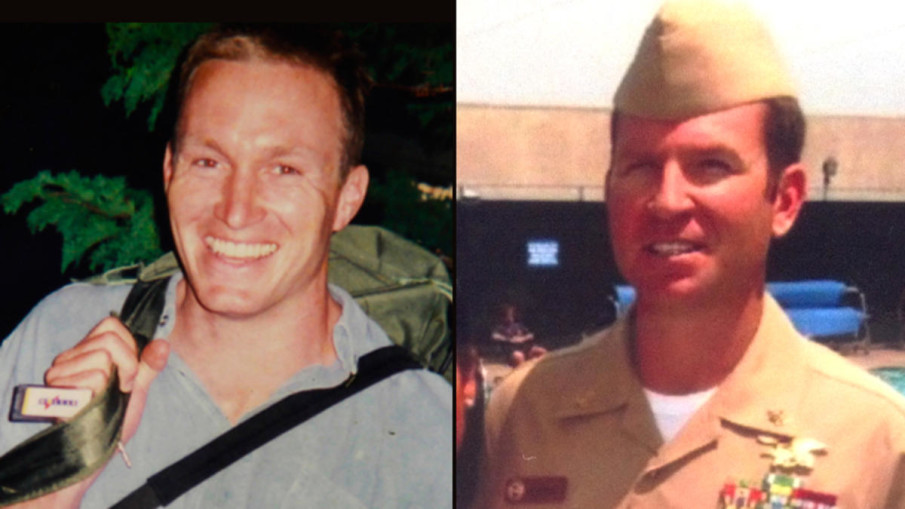
Benghazi highlights three important issues for this writer.
- A schizophrenic U.S. foreign-policy strategy (I use the term “strategy” loosely) that has created instability in the world and wasted American lives in the process. (This spans the last two presidencies.)
- Political and bureaucratic dysfunction in Washington that is paralyzing America (more on this, coming), true paralysis by analysis, cue the 100-slide PowerPoint and inter-agency squabbling at its pre 9-11 finest.
- Most important, the death of two American former Navy SEALs (Ty Woods and Glen Doherty) and CIA contractors has uncovered the soft, dirty underbelly of American paramilitary contracting, and the families who are left behind to pick up the pieces.
Under the Defense Base Act (DBA) of 1941, Navy SEAL CIA contractor Glen Doherty’s family received no death benefit. This, despite the fact that Glen paid into a policy he believed would have provided for his estate in the event of his death. Until Benghazi, it was not clearly understood in the contracting community that DBA only allows a death benefit to be paid in cases where the individual was married or had dependent children. Since Glen was unmarried, the policy paid no death benefit, and his family and estate were left to pay the bill. An American hero was buried without help from the government but, Glen’s family wasn’t the first to be affected by this.
A source close the family revealed to SOFREP that CIA Director John Brennan, in a bold move, authorized a plan to provide discretionary retroactive payments, $400,000 each incidence, to over 50 families of paramilitary contractors who were killed overseas supporting American interests since 1983. This would provide for some financial relief but, more importantly, it would finally bring recognition from the federal government for their sacrifice, and some closure for their families.
Director Brennan sent this proposal forward for approval and months later, the payments to the families are still being held up by the Senate Intelligence Committee, chaired by Richard Burr (NC) and Dianne Feinstein (CA).
The tragedy of Hillary’s Benghazi-gate is that the State Department unnecessarily repeated mistakes made in the dual embassy bombings in Africa in the late ’90s. After the bombings, the State Department hired Booz Allen to provide an assessment, one which had many recommendations. Those same recommendations, years later, are now being made again by the State Department’s own Accountability Review Board (four out of five board members were selected by the secretary of state).
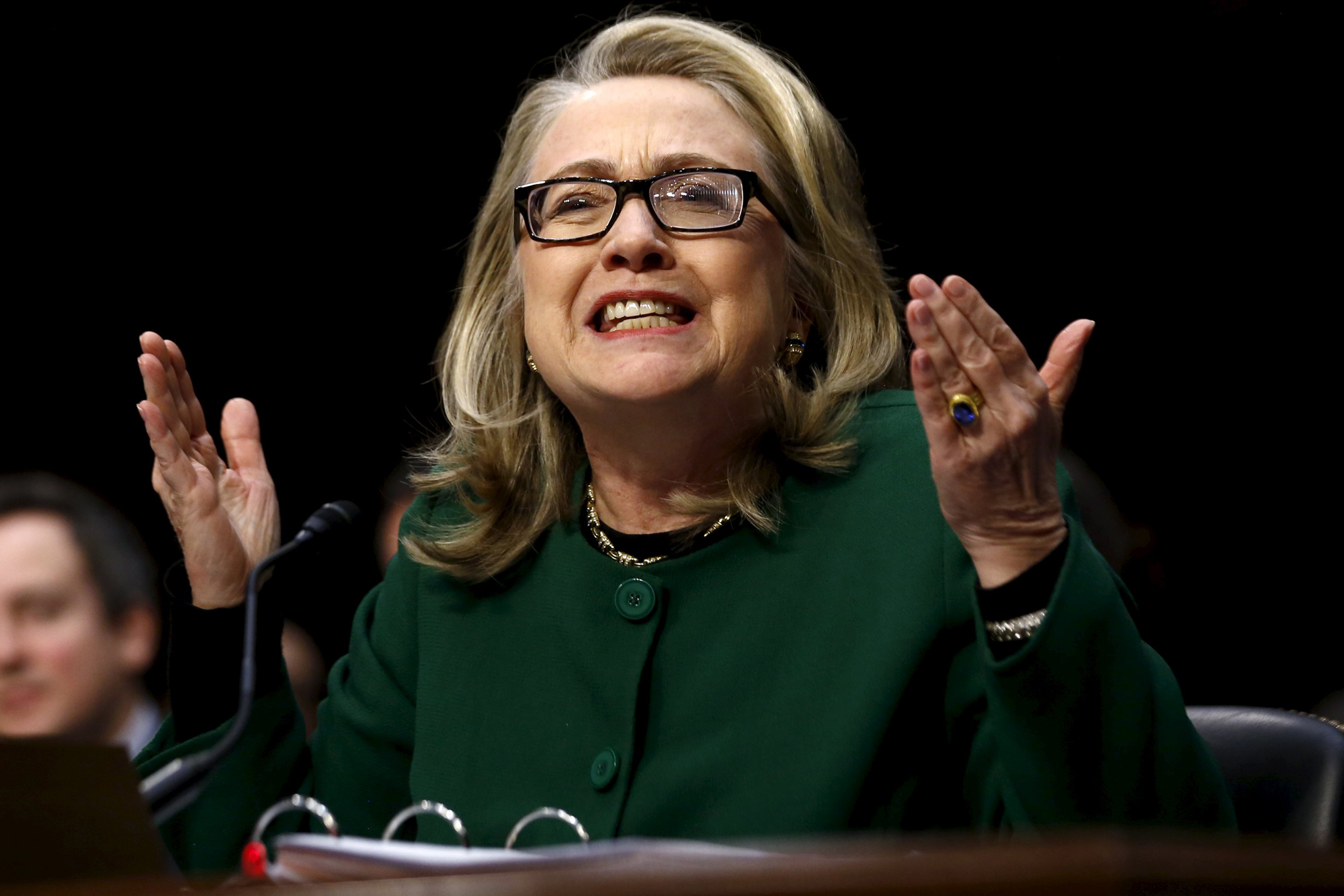
(Photo: Hillary Clinton giving testimony courtesy of the NY Post.)
“What difference does it make?”
I lost a best friend in Glen Doherty that day in Benghazi, and America lost four good men. The difference in how the situation could have been handled is what’s important; Hillary Clinton had the chance to take ownership of the situation and hold the people responsible for Benghazi accountable. Instead, she did neither, and why? My time in the Navy and SEAL Teams taught me about leadership, and good leaders hold themselves and their subordinates accountable.
Hillary had her chance, that ship has sailed, now it’s up to us, the citizens of America, to pressure our elected officials to do the right thing, and to honor Glen Doherty and Ty Woods, and to make sure that this never happens to any other American contractor’s family.
Summary note: Congressman Stephen Lynch has also introduced a bill, the Glen Anthony Doherty Overseas Security Personnel Fairness Act, that amends the DBA to ensure that full death benefits are extended to the families or designated beneficiaries of contractors who have died in service to our country as a result of a war-risk hazard or an act of terrorism. The bill would be retroactive to September 11, 2001.
The Lynch bill is currently stalled in the House.
What can you do? 1. Share this post on social media 2. Contact your State’s House and Senate representative and ask them to push this along.








COMMENTS