The British SAS and Australian SASR ended 2025 balancing heavy operational demand with ongoing scrutiny tied to past misconduct investigations. Both units are pushing ahead with modernization, tighter accountability, and updated training to stay effective in a security environment shaped by hybrid warfare and rising regional tensions.
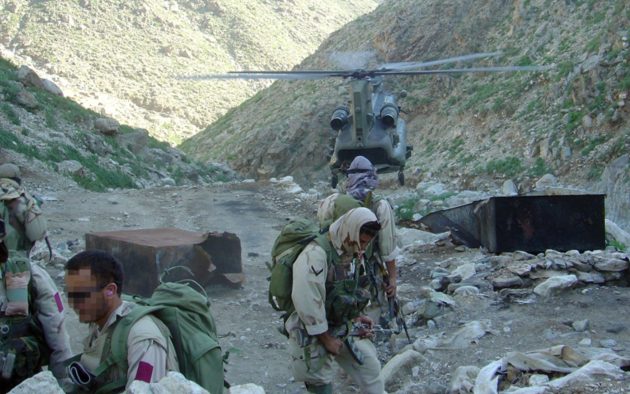
SAS troops shortly after arriving in a Valley in Afghanistan. Image Credit: Crown
As 2025 ends, the British Special Air Service and Australia’s Special Air Service Regiment remain in the international spotlight for two reasons. Both units continue to play central roles in national security, and both continue to navigate the long shadow of past misconduct investigations. The result is a year defined by heavy operational demand, significant internal reform, and public scrutiny that neither regiment can ignore.
Advertisement
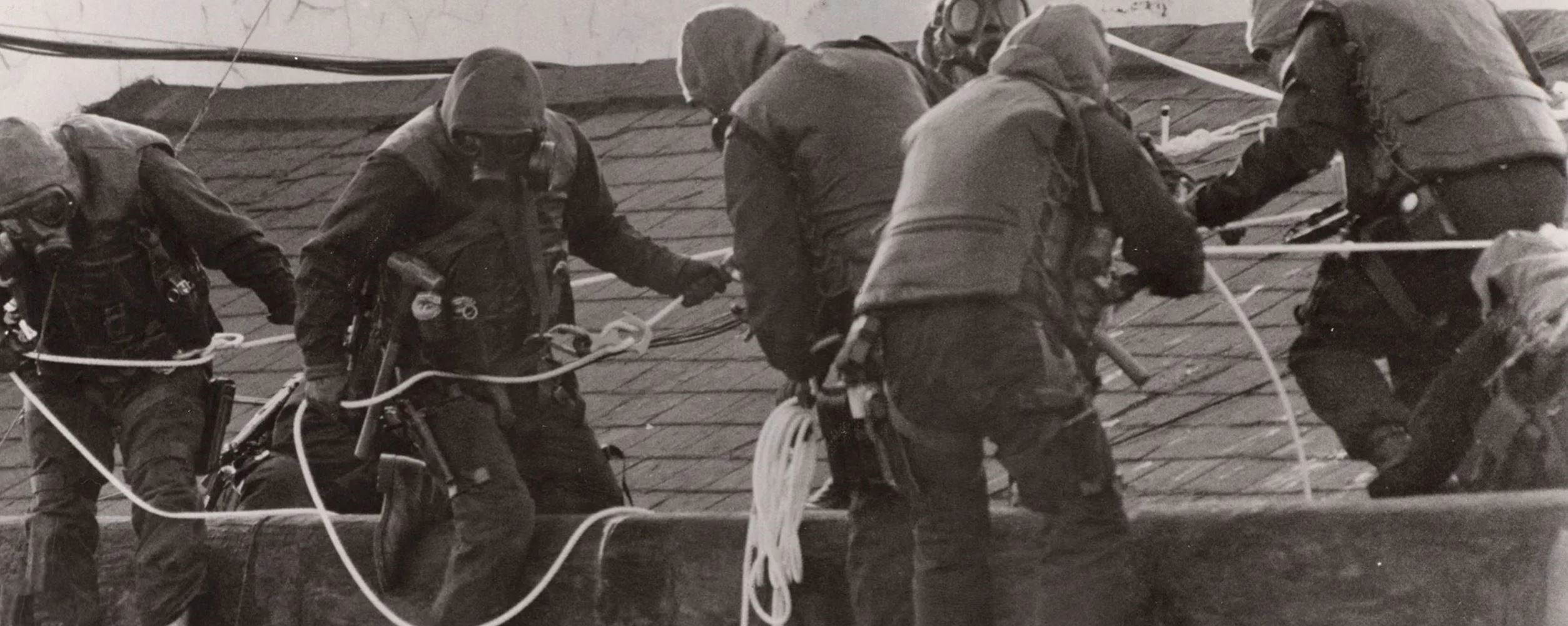
SAS on the roof of the Iranian Embassy. May 1980 Image Credit: Combined Military Services Museum, Maldon, Essex
British SAS: High Demand and Ongoing Legal Scrutiny
The UK SAS, headquartered in Hereford, has maintained a high operational tempo throughout the year. Ministry of Defence officials confirm the regiment has been heavily involved in counterterrorism readiness, foreign internal defense missions, and support to allied partners dealing with increased instability tied to conflicts in Eastern Europe and the Middle East. These deployments are not publicized, but senior defense officials have signaled that the pace and scope of SAS missions have expanded in response to global threats.
The British government has also invested in new capabilities supporting hybrid warfare. This includes cyber operations, digital reconnaissance, and training pipelines that now integrate technical skill sets once considered outside the SAS mission profile. Current and former operators say the shift is real and growing. Selection and training will increasingly focus on operators who can move comfortably between physical and digital environments.
At the same time, the regiment remains under pressure from ongoing investigations related to alleged misconduct in Afghanistan more than a decade ago. Several major UK newspapers reported that legal inquiries tied to incidents from the early 2010s have been reopened. The Ministry of Defence has publicly committed to full transparency and due process. Many serving and retired personnel are watching these developments closely. The outcome will shape public perception of the regiment for years to come.
Advertisement
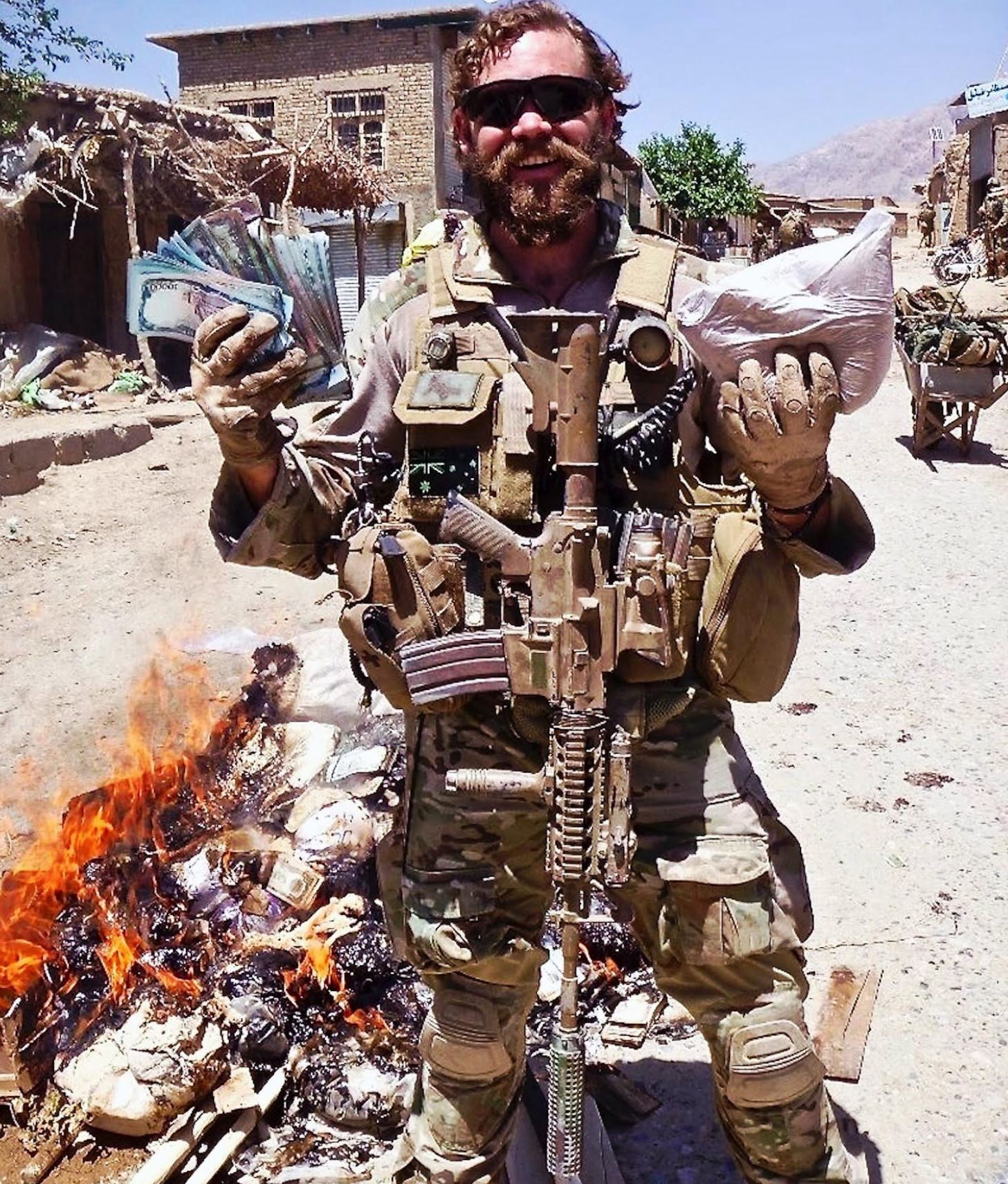
Australian SASR operator burning Taliban drugs. Image Credit: Artpictures.club
Australian SASR: Deep Reform and a Focus on Rebuilding Trust
In Australia, the SASR continues to operate under a comprehensive reform program triggered by the Brereton Report’s findings related to Afghanistan operations between 2005 and 2016. Those findings outlined serious violations involving elements of the regiment and forced the Australian Defence Force to initiate a wide range of cultural, leadership, and oversight changes.
Through 2025, the SASR has been implementing new accountability measures, stronger complaint procedures, improved whistleblower protections, and expanded ethical leadership training. These reforms are designed to rebuild trust inside the unit and restore confidence among the Australian public.
Advertisement
Despite the internal overhaul, the SASR has maintained a steady operational schedule. The regiment participated in major counterterrorism exercises and joint training events across the Indo-Pacific region. Rising tensions in the Pacific have increased the value of the unit’s rapid-response capabilities and regional expertise. Commanders have emphasized that reform and operational readiness must progress at the same pace.
Looking Ahead: Trust, Capability, and Modern Conflict
Both the SAS and SASR are adjusting to the demands of modern conflict, where cyber operations, information warfare, and hybrid threats are becoming central to national defense. Each regiment is building digital and analytical skills into its traditional special operations toolkits.
Rebuilding and maintaining trust remains a priority for both forces. Investigations, public reporting, and internal reforms have made accountability unavoidable. British and Australian leaders appear committed to addressing past failures while ensuring their special operations units remain capable, credible, and deployable.
Advertisement
As 2025 draws to a close, both regiments are operating under greater scrutiny than at any time in recent memory. They also remain essential tools of national power. How they balance reform, readiness, and public accountability will define their trajectory in the coming years.