
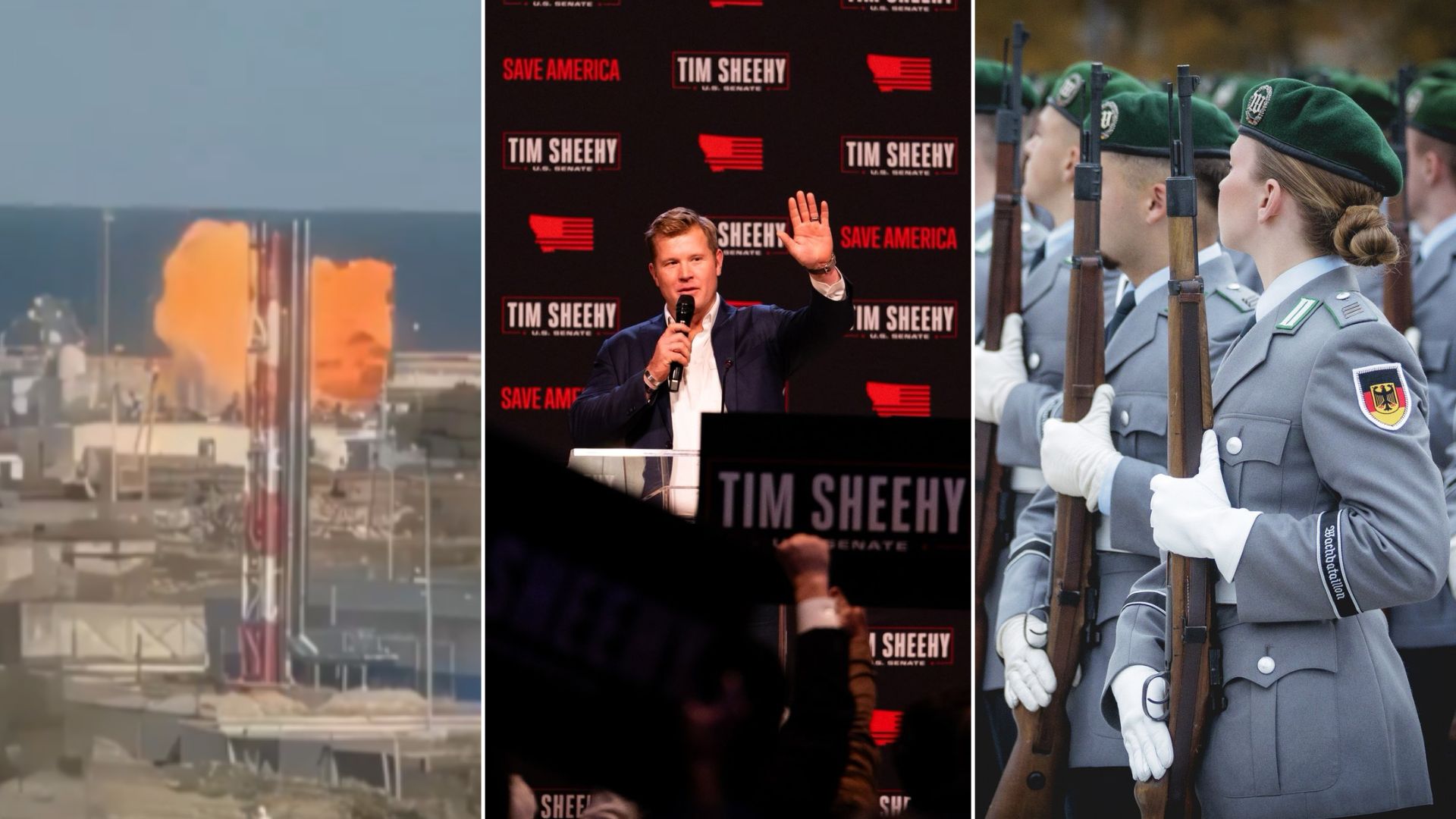
SOFREP Daily: Trump Resumes Command, Taiwan Receives First HIMARS, Germany Approves New Draft Law
Here’s your SOFREP Daily News Brief: Key defense and global affairs insights to keep you in the know on Thursday, November 7.
3,421 articles
Latest Foreign Policy stories, analysis, and updates from SOFREP.
Here’s your SOFREP Daily News Brief: Key defense and global affairs insights to keep you in the know on Thursday, November 7.

France and Azerbaijan are waging a global shadow conflict beyond the South Caucasus, highlighting how small wars can spark a global domino effect.
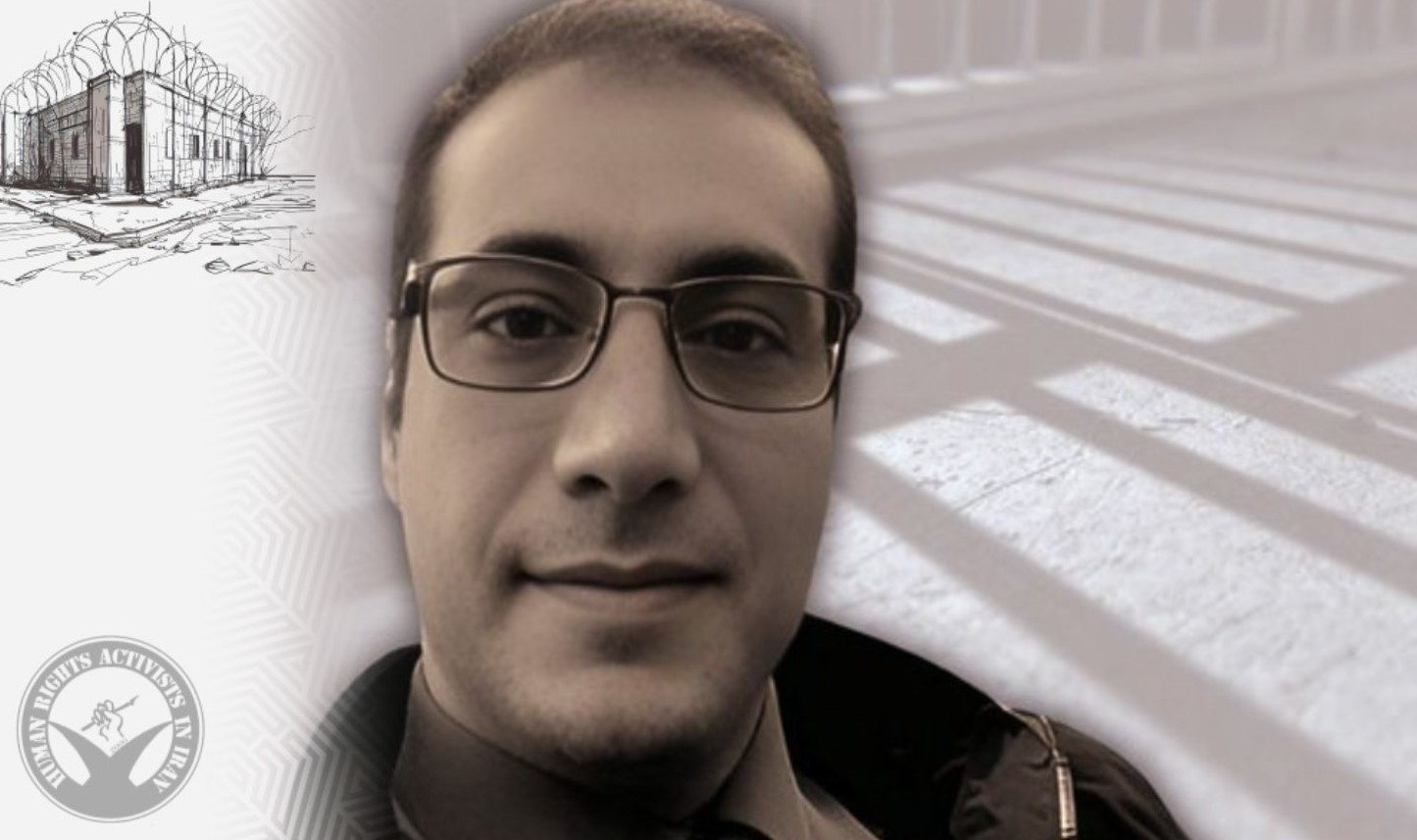
Reza Valizadeh’s detention in Iran is a stark reminder that journalists returning home carry the weight of diplomacy on their shoulders, often at the expense of their own freedom.

New US rule blocks investments in China’s high-tech scene—AI, quantum computing, and chips are off-limits to protect national security.
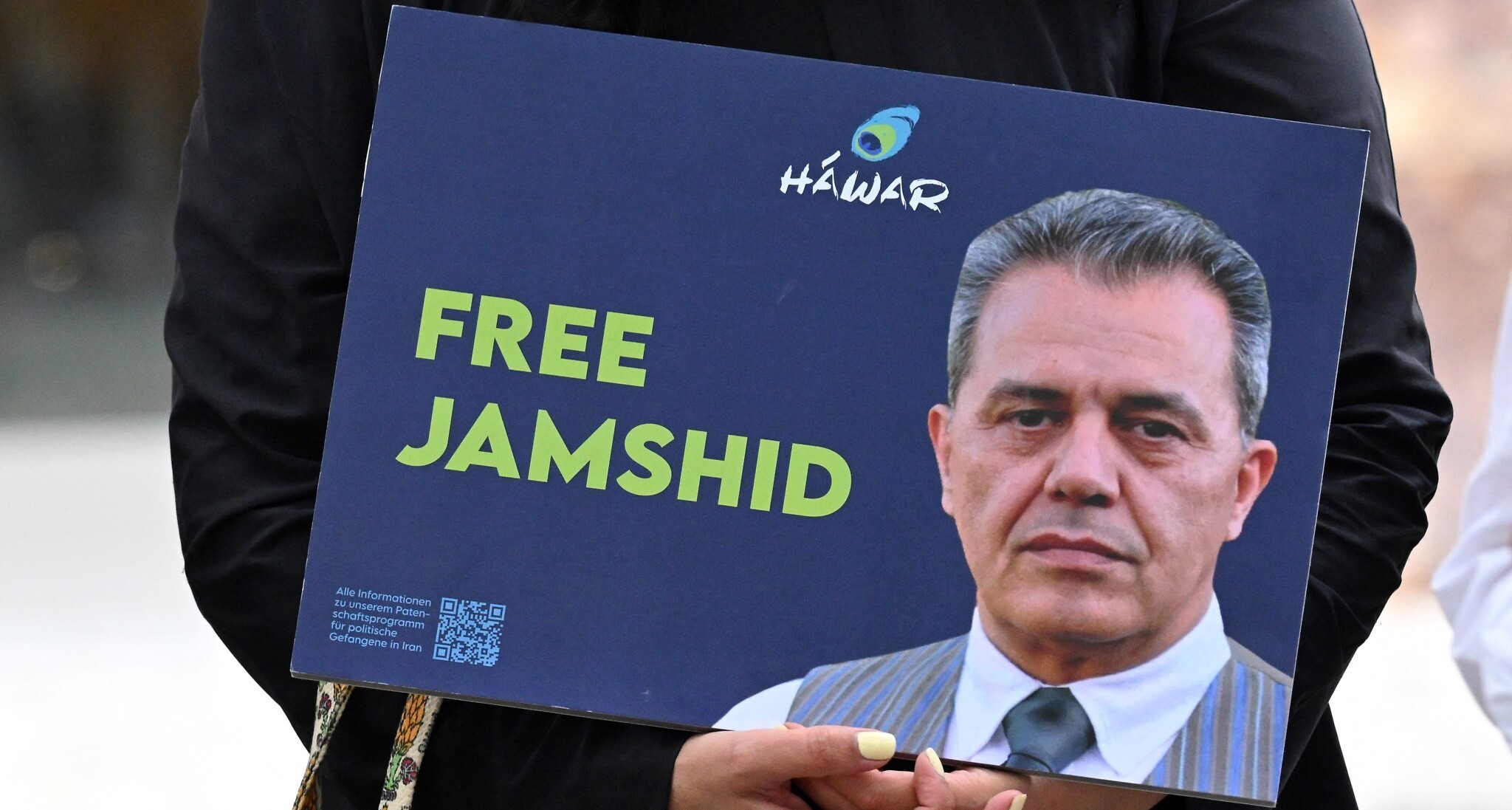
Sharmahd’s fate is a chilling reminder of the perils that still haunt journalists and dissidents who dare to stand against oppressive regimes—a peril that can follow them far beyond their own borders.
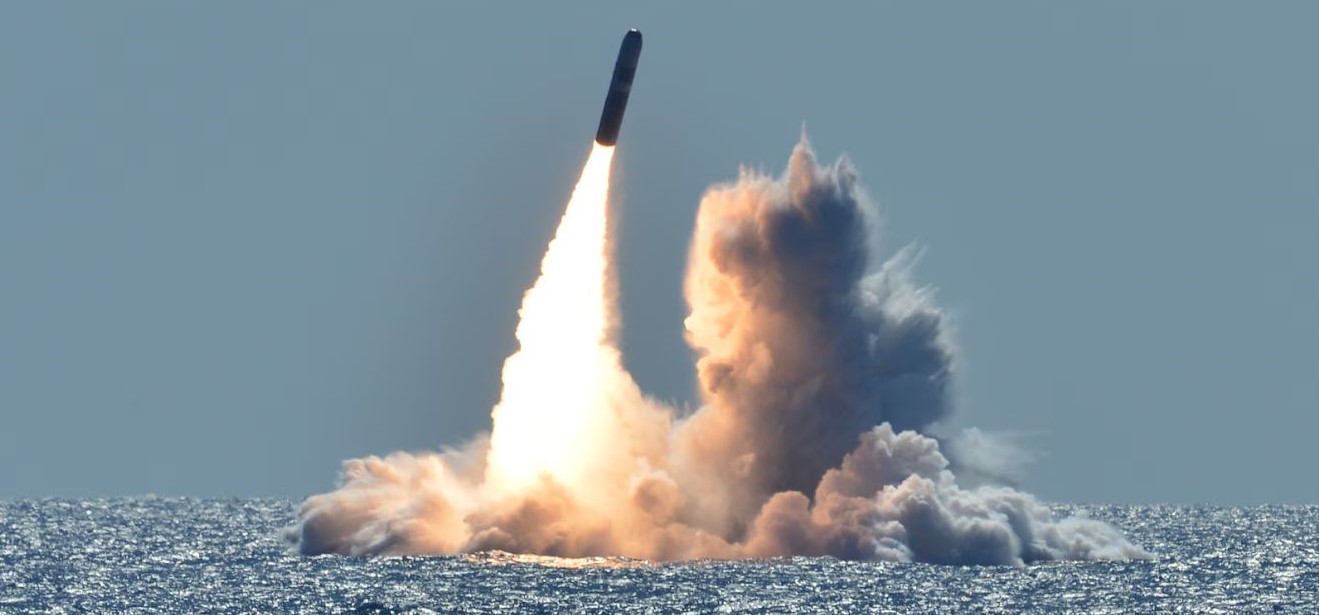
The Nobel Committee’s idealistic vision of a nuclear-free world is admirable, but ignoring the hard reality of nuclear deterrence leaves allies vulnerable to aggression, inviting tyranny over diplomacy.
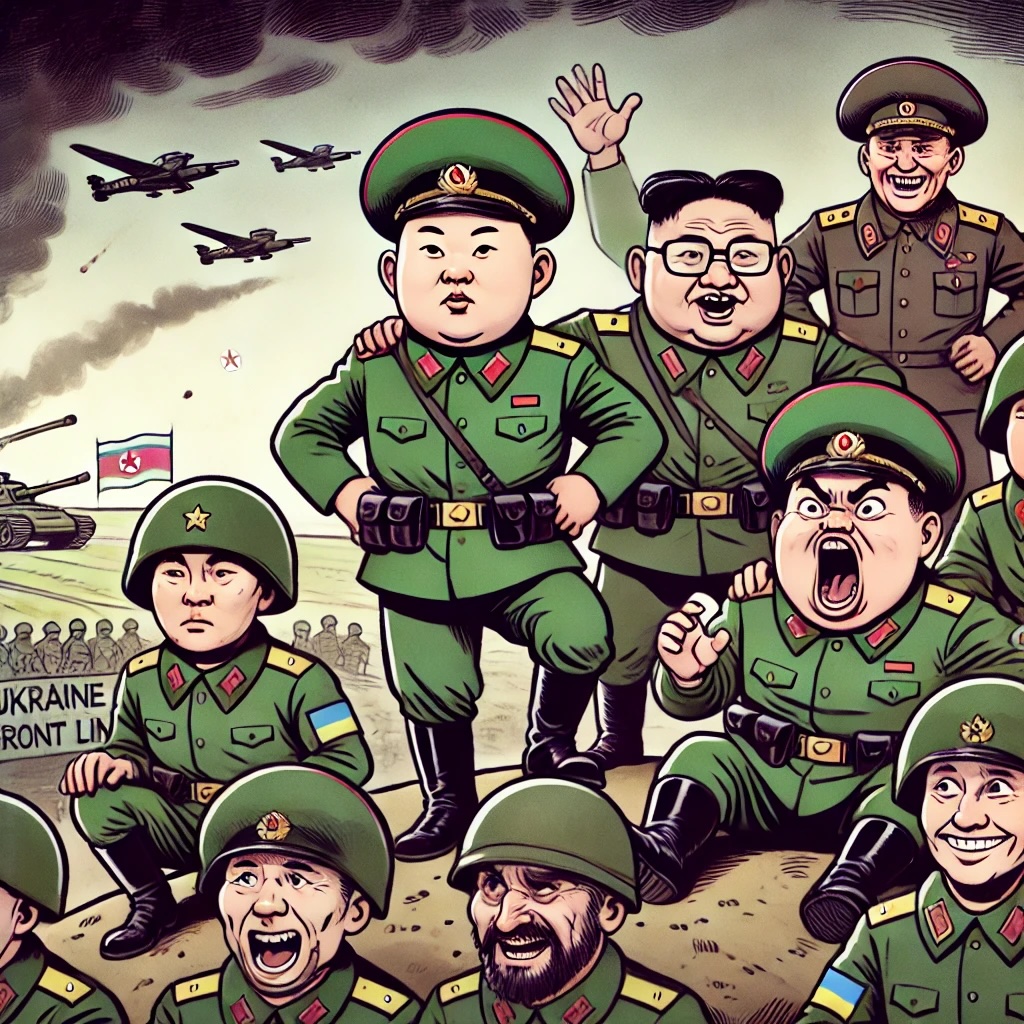
Throwing North Korean rookies into Ukraine’s trenches might boost Russia’s headcount, but this is no training ground—it’s a high-stakes gamble where the greenhorns may just become casualties in Putin’s reckless attempt to keep up the fight.
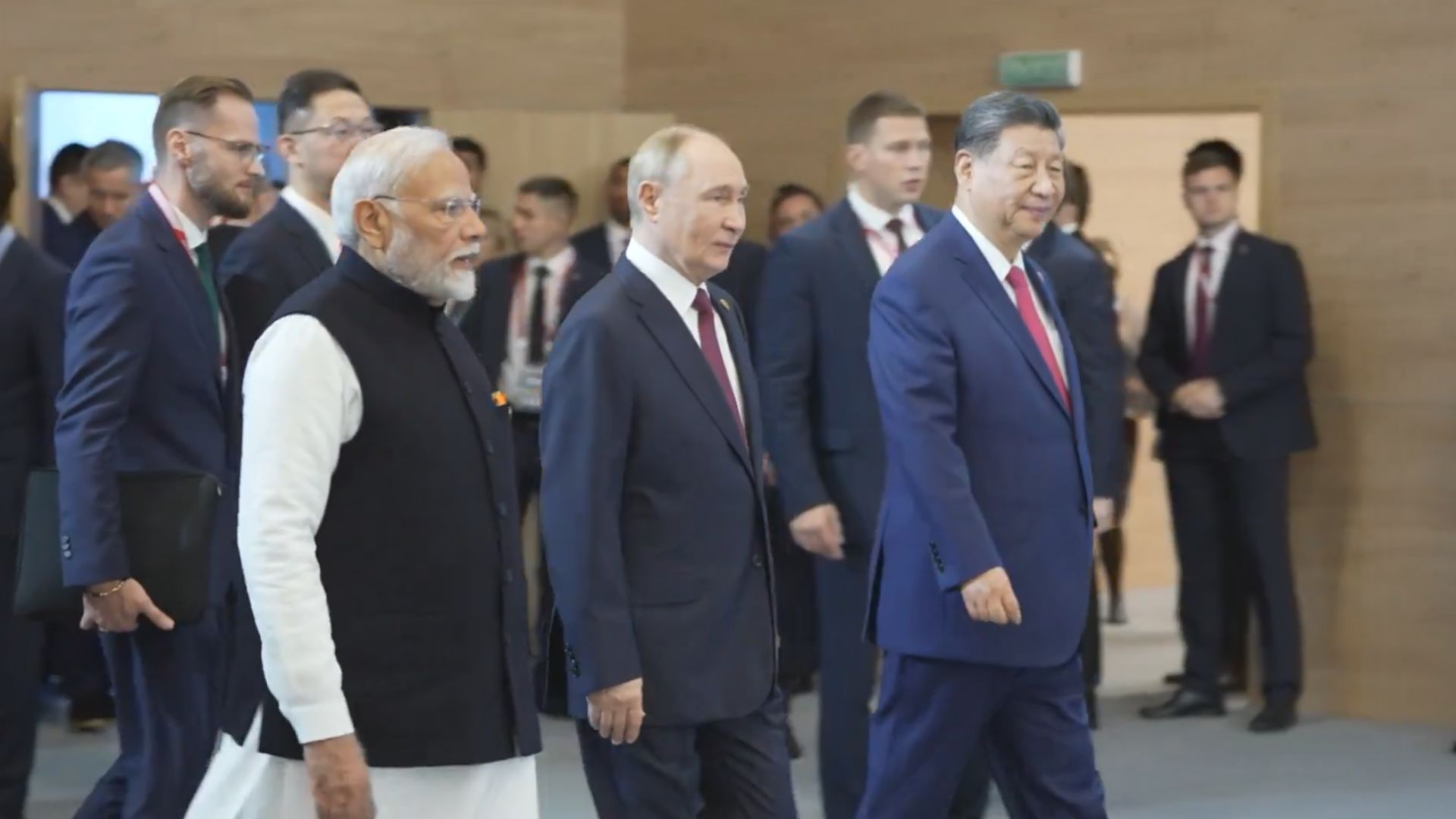
BRICS just wrapped up its Kazan summit, aiming to shake up the global order and challenge Western dominance. What’s next?
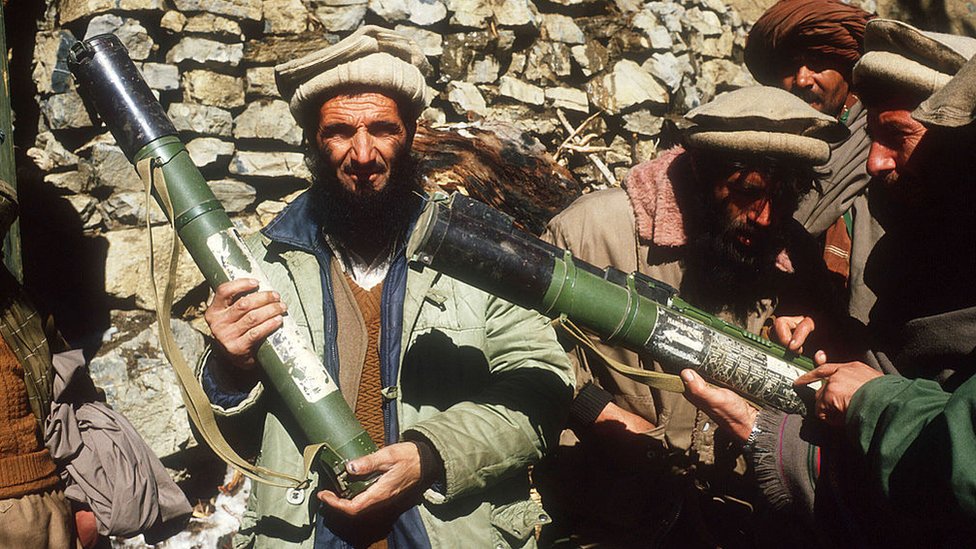
The term ‘blowback’ originates from the Central Intelligence Agency (CIA). With foreign policy risks came unintended and harmful consequences to the nation or allies due to unwarranted side effects from covert operations. There have been several notable covert actions that ultimately came to light due to leaks or Americans directly suffering from the actions of the government.
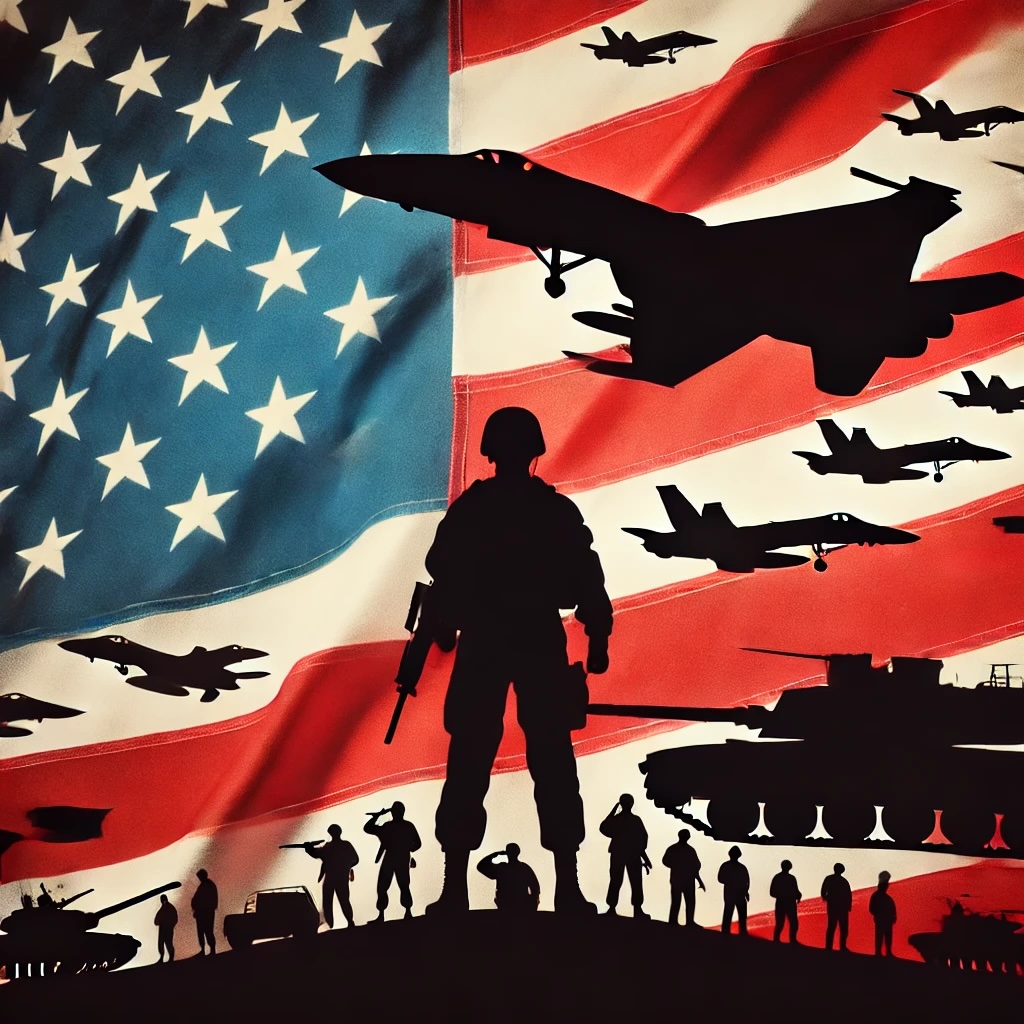
Kamala Harris may thrive in the polished world of politics, but when it comes to securing America’s future, she lacks the grit and real-world experience needed to navigate the dangers ahead.
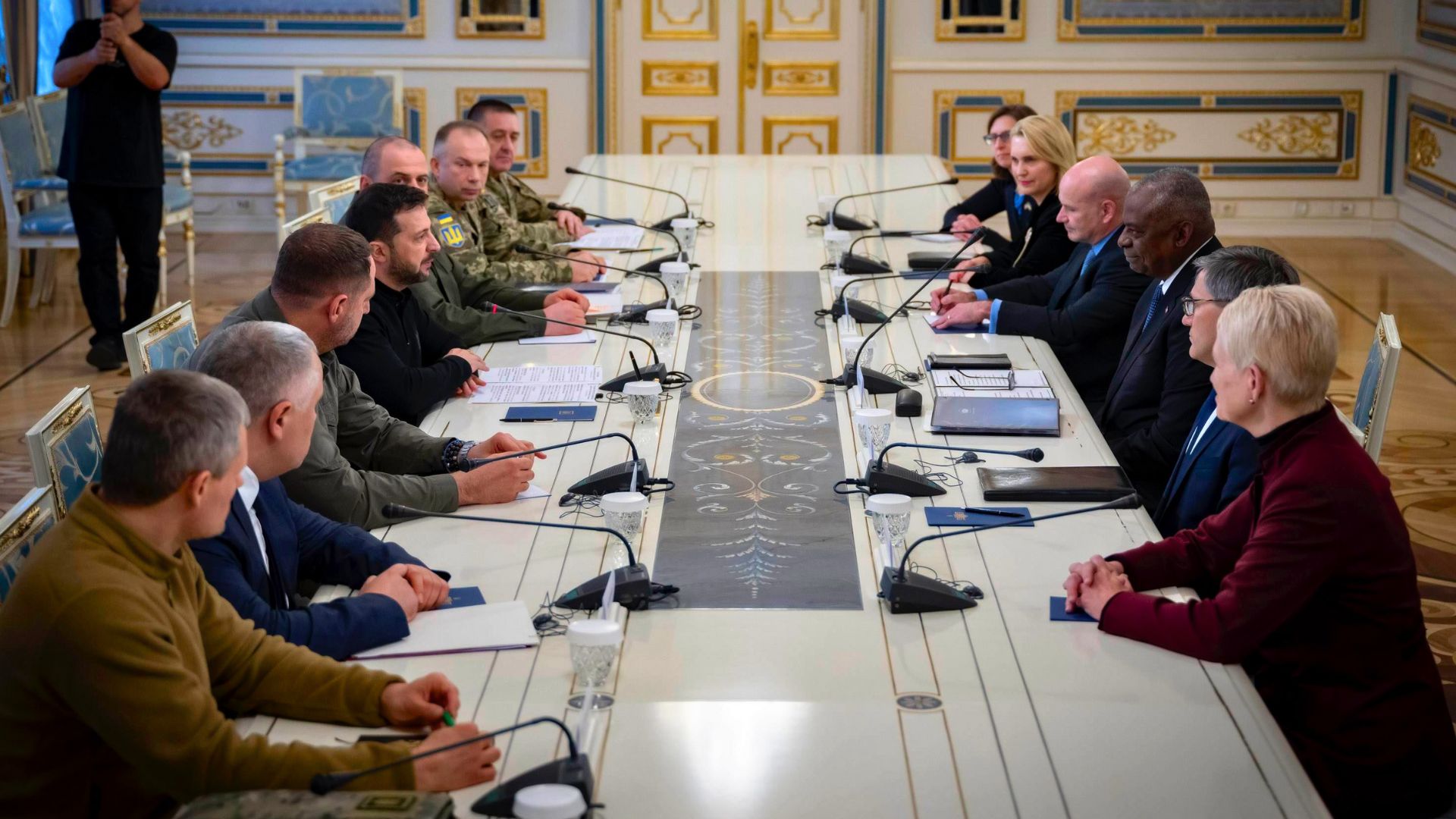
Ukraine’s ‘victory plan’ seeks NATO support, but is it enough to break the deadlock? Time’s ticking as the war nears three years.
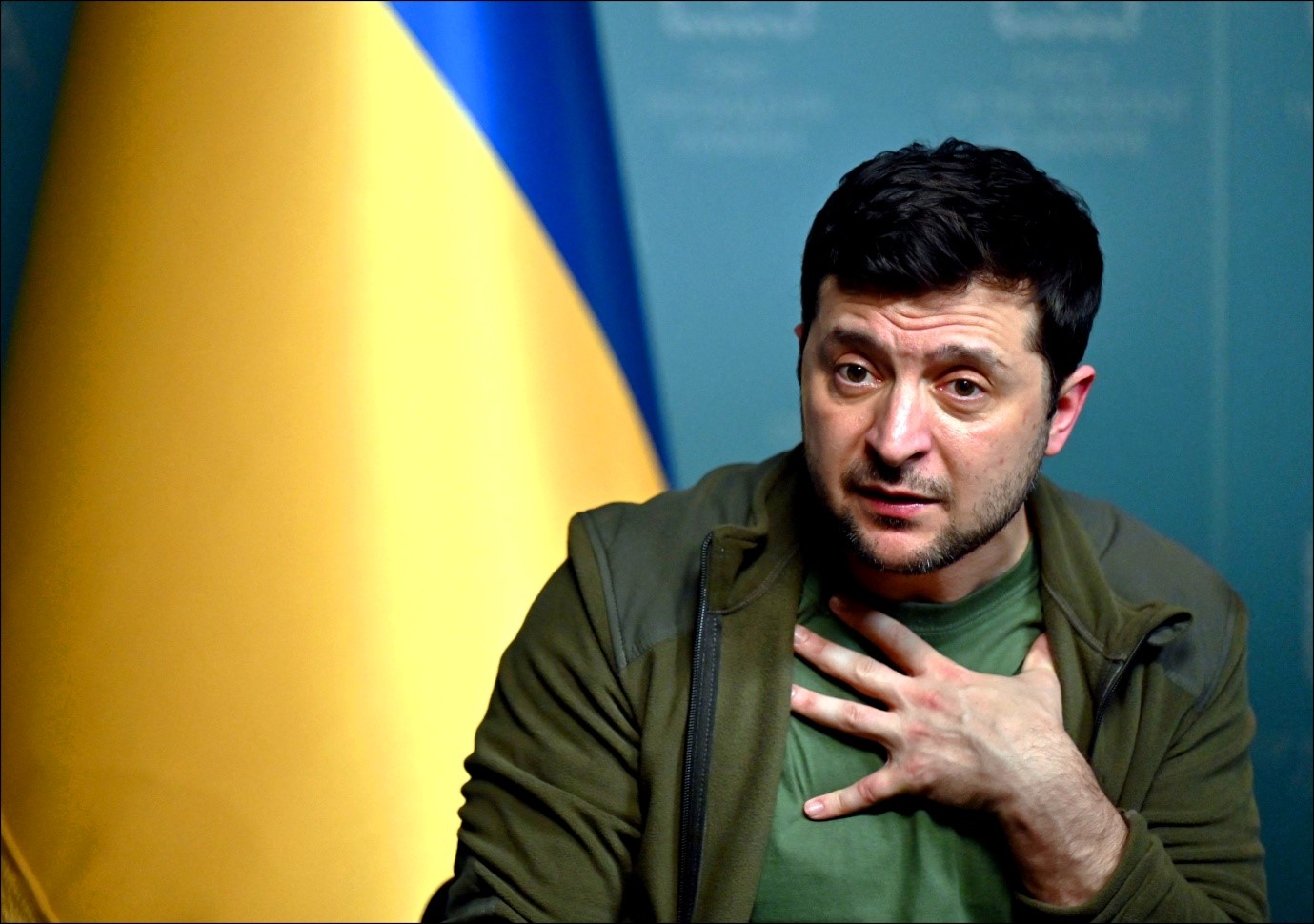
Zelensky’s desperate “Victory Plan” is a high-stakes gamble that risks dragging NATO into a full-blown war with Russia, with his ultimatum for deep strikes and a nuclear threat leaving even his staunchest allies stunned and scrambling for damage control.

SIG Sauer is a world-class firearms manufacturer trusted by military, law enforcement, and responsible civilian shooters, delivering precision-engineered weapons, optics, and training systems while maintaining a strong commitment to veteran hiring, American manufacturing, and the professionals who rely on their gear when it matters most.

FightCamp is an at-home boxing and kickboxing training system built around real technique, structured programming, and measurable performance. Members train with fighters and professional coaches while using connected punch and kick trackers that record volume, speed, and power in every round. The result is training that builds conditioning, skill, discipline, and resilience — all from home, on your schedule.
Barrett is the world leader in long-range, large-caliber, precision rifle design and manufacturing. Barrett products are used by civilians, sport shooters, law enforcement agencies, the United States military, and more than 75 State Department-approved countries around the world.

Hywell is a premium gear brand specializing in heavy-duty Merino wool boot socks for blue-collar professionals and outdoorsmen. Backed by an ironclad 10-Year Warranty.

Praesidus builds rugged, American-assembled watches inspired by historic military timepieces. Designed for accuracy and tested for endurance, each watch is made for outdoor explorers, everyday adventurers, and anyone who needs reliability when it matters.

Essential Provisions Field Fuel® meals [ready-to-eat] & sports nutrition products have been developed with the cleanest, high-quality nutrient and energy-dense ingredients available. Research has shown that the whole food nutrients contained in our products have the ability to help.

Have you ever tried to wear a fleece hoodie in bad weather? We don’t recommend it. That’s why we founded BÆRSkin in 2019 – to create the world’s best outdoor gear that’s just as comfortable at home as it is durable outdoors. “Bad fitting, bulky, and boring” is how we felt about 1000’s of regular fleece hoodies we tested.

If you’re 21 or older and use nicotine or tobacco, charge ahead with Black Buffalo, America’s only credible smokeless tobacco alternative. Black Buffalo dips just like the real thing without the tobacco leaf or stem. Find Black Buffalo in Wawa, Circle K, Sheetz, Love’s, Pilot, Racetrac, and many more retail locations across the United States.