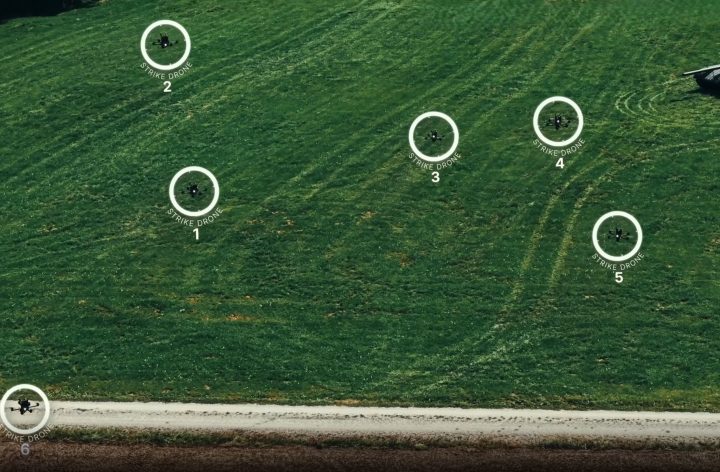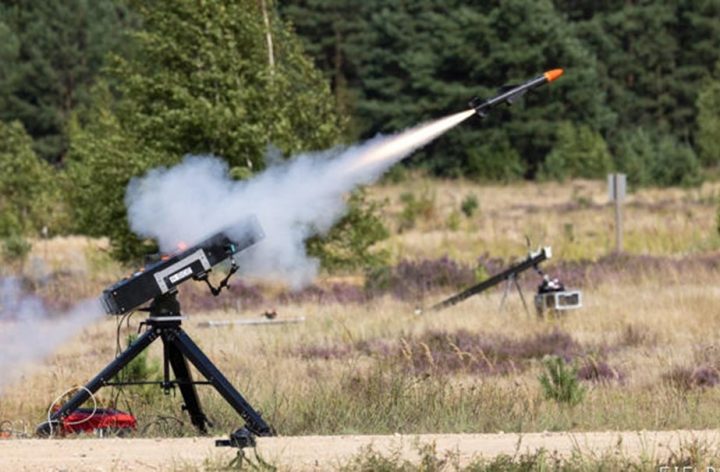
Estonia’s Frankenberg Technologies is betting that its AI guided, “good enough” Mark 1 mini missile, built cheap and in huge numbers, is the practical way to swat Russian drones out of NATO skies without going bankrupt.
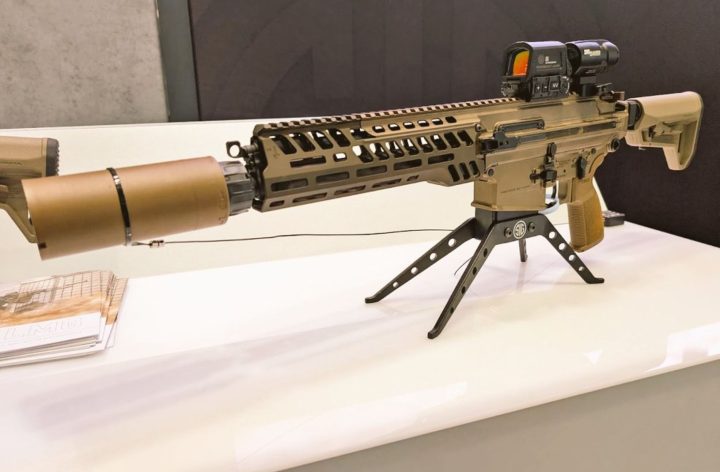
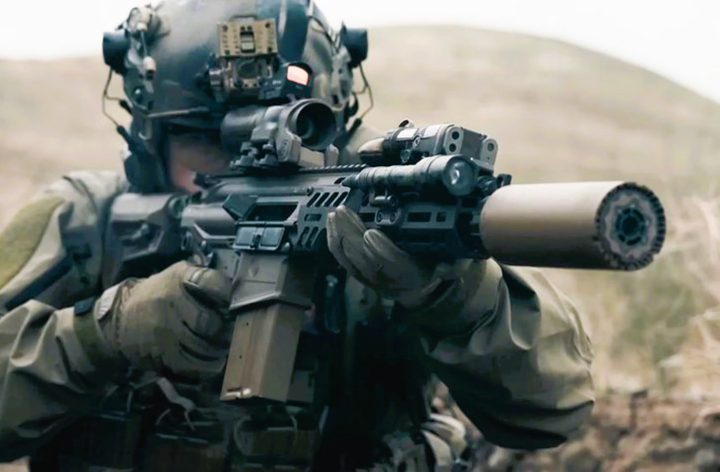
Standing in B&T’s sunlit Thun factory, watching skilled technicians hand-assemble and test-fire precision weapons while founder Karl Brügger animatedly explained every design choice over lunch, I left convinced that Swiss obsession with engineering had produced some of the finest, most dependable small arms in the world.
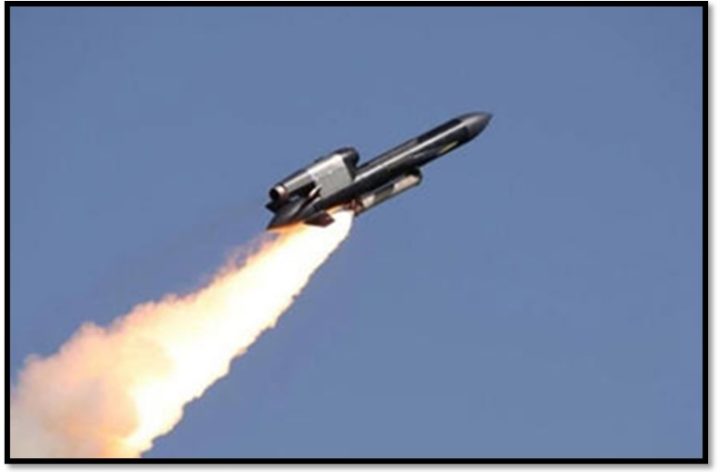
Russia’s nuclear-powered 9M730 Burevestnik (SSC-X-9 Skyfall) is a low-altitude, long-endurance cruise missile, with a claimed 14,000 km in 15 hours still unverified, built to slip past missile defenses and push the nuclear arms race into a harder phase.
A mainstream media outlet meant to sound an alarm about “justified homicides,” but its own reporting confirms what gun owners, cops, and veterans already know: trained, law-abiding Americans stop predators and keep families alive.
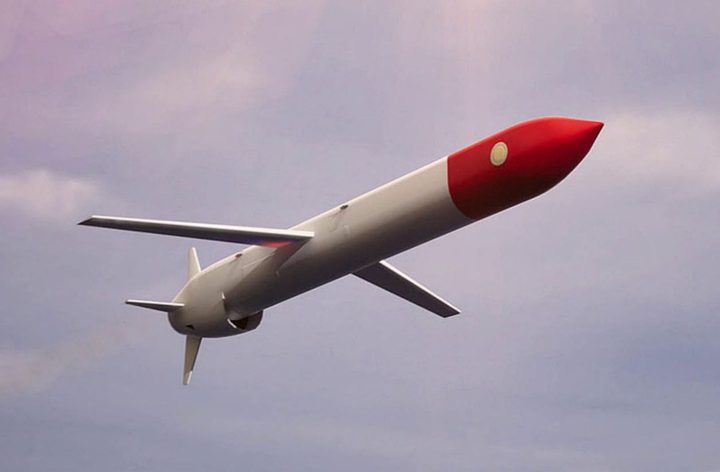
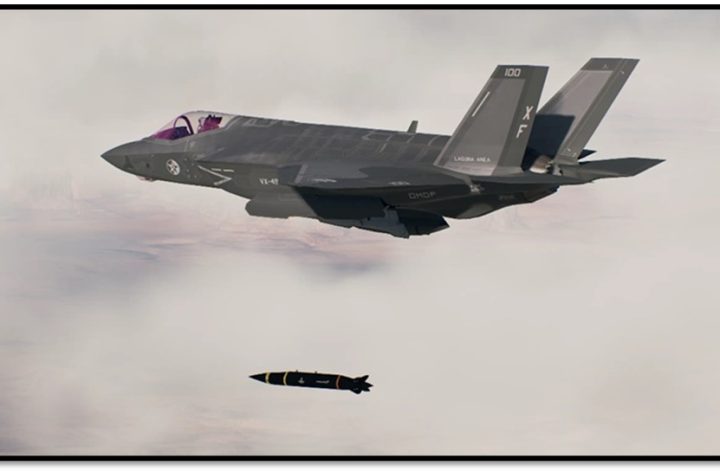
From the five pound MHTK that swats mortars midair to the F-35 ready Mako sprinting at Mach 5, Lockheed has handed the Pentagon two precise, affordable missiles built for the fights ahead, and the real question is why we are not buying them.
Barrett’s 30×42 PGS family arrives like a sledgehammer for the squad: programmable air bursts, proximity fused rounds to punch drones out of the sky, and a staged Mod rollout that turns a grenadier into a squad level fire support hub.
In the realm of personal and home defense, one must navigate a sea of tactical “enhancements” with discerning wisdom, for while some gadgets offer genuine advantages, others may simply weigh you down with unnecessary prestige and expense.
Facial hair has long been associated with military leadership and rugged masculinity. However, in the context of modern chemical warfare, beards pose a direct threat to survivability. This article refutes the romanticized notion of the “warrior beard” by grounding the discussion in historical precedent, NBC doctrine, and current military policy. From WWI trench hygiene to banana oil testing in Cold War civil defense, through the destruction of legacy chemical stockpiles at Dugway and Tooele, and now to mandated seal checks in 2025, the evidence is clear: seal integrity is life, and that seal begins with a clean-shaven face.
Anduril is turning Taiwan’s defense from a slow parade of big steel into a swarm-era factory line—eyes in the sky, teeth on target, and a local brain that decides faster than the other guy can swear.
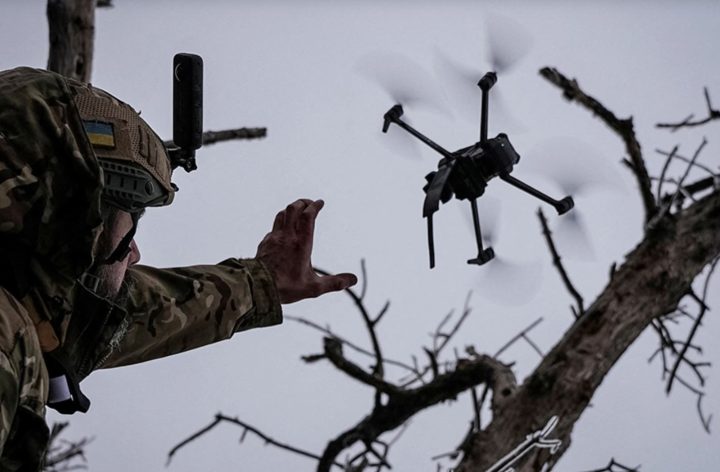
A quick reaction force bristling with jammers, radars, and interceptors is the Pentagon’s answer to rogue drones buzzing our bases, a muscle car idling at the curb with orders to hit the gas the second trouble appears.
Beijing’s parade wasn’t a nostalgia act—it was a live-fire syllabus on how China plans to fight: with massed autonomy, spectrum dominance, and algorithms woven into steel.