

Iran’s Supreme Leader, Ayatollah Ali Khamenei, placed blame on the U.S. for the violence, declaring that “the U.S. is responsible for the recent crimes.” Iranian officials have voiced strong support for Palestinian fighters, further escalating tensions in the region. Meanwhile, the United Arab Emirates called for an immediate ceasefire but also criticized Hamas for its role in escalating the conflict, particularly its hostage-taking.
In Canada, Prime Minister Justin Trudeau previously urged Israel to halt its military actions, specifically denouncing the killing of civilians in Gaza. His remarks drew criticism from Israeli Prime Minister Benjamin Netanyahu. Brazil’s President, Luiz Inácio Lula da Silva, also condemned Israel’s airstrikes, referring to them as “the insanity” of Netanyahu’s government.
Across the Arab world, many nations have strongly condemned Israel’s actions, with some calling for urgent international intervention to protect Palestinian civilians. Humanitarian organizations have also spoken out, criticizing Israel for halting aid deliveries to Gaza and warning of severe consequences for the already suffering population.
The United Nations has responded by calling an emergency Security Council meeting to address the crisis and explore options for de-escalation. As the situation unfolds, the international community remains deeply divided—some countries back Israel’s military response, while others demand an immediate return to ceasefire negotiations to prevent further loss of life.
Humanitarian Impact
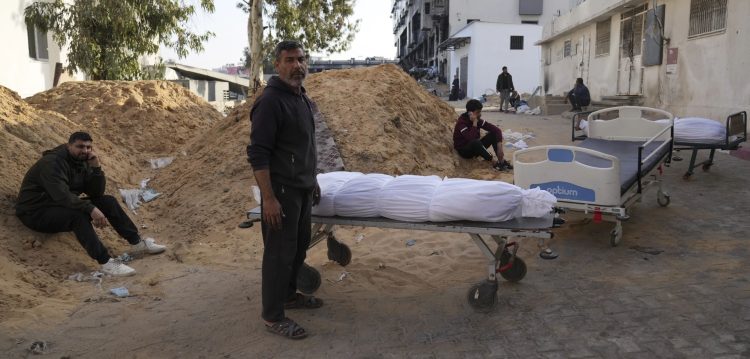
The renewed conflict has further strained Gaza’s already fragile humanitarian situation. Prior to the airstrikes, Israel had intensified its siege on Gaza by halting humanitarian aid, cutting electricity, and threatening to suspend water supplies to pressure Hamas into releasing hostages. These measures have led to severe shortages of food and fuel, exacerbating the humanitarian crisis in the enclave. The recent airstrikes have compounded the suffering, with Gaza’s civil defense agency reporting that many casualties are women and children, and the health infrastructure, already weakened by previous conflicts, struggling to cope with the influx of injured civilians.
35 airstrikes in Gaza within 20 minutes! Part of the purpose of the attacks in Gaza: to eliminate a senior official. pic.twitter.com/hJETFErYip
— Adi 🎗 (@Adi13) March 18, 2025
Political Ramifications
The renewed conflict between Israel and Hamas carries significant political consequences both at home and abroad. In Israel, Prime Minister Benjamin Netanyahu is under increasing scrutiny. His corruption trial, which was set to begin on March 18, was postponed due to the military action, raising concerns about the timing of the attacks.
Additionally, Netanyahu is reportedly looking to dismiss the chief of the Shin Bet, Israel’s domestic intelligence agency, citing a loss of trust. If carried out, this would mark the third high-ranking security official to leave their position in recent weeks, potentially complicating future negotiations on hostage releases. Meanwhile, opposition lawmakers have criticized Netanyahu’s government, arguing that it failed to either dismantle Hamas’s military capabilities or rescue the remaining Israeli hostages during the ceasefire.
Internationally, the situation is also affecting political dynamics. The Trump administration was notified in advance of Israel’s airstrikes and has voiced support for the military response. However, this stance may strain relationships with other global allies. The escalation of violence also has wider regional implications, with Iran-backed groups such as the Houthis in Yemen expressing support for Hamas and launching attacks on international shipping routes.
Diplomatic efforts have largely collapsed as a result of the renewed hostilities. Ceasefire negotiations, which were being mediated by Egypt, Qatar, and the United States, have effectively been abandoned. In response to the crisis, the United Nations Security Council called an emergency meeting to discuss ways to de-escalate the situation. However, global reactions remain divided—countries like Canada and Brazil have condemned Israel’s actions in Gaza, which could impact its diplomatic standing.
As the conflict continues, the political landscape remains highly uncertain. The situation could lead to further shifts in alliances and international relations, with ongoing consequences for both Israel and the broader Middle East.
Future Prospects
The resumption of hostilities marks a significant setback in efforts to achieve a lasting peace between Israel and Hamas. The international community continues to call for restraint and a return to diplomatic negotiations to prevent further escalation and address the underlying issues fueling the conflict. The safety of the remaining hostages remains a critical concern, with their fate uncertain amid the renewed violence. As the situation unfolds, the prospects for a sustainable resolution appear bleak, underscoring the complex and deeply entrenched nature of the Israeli-Palestinian conflict.
To sum up, the end of the ceasefire and the subsequent Israeli airstrikes on Gaza have plunged the region back into turmoil, highlighting the fragility of truces in the absence of comprehensive agreements addressing the core issues at the heart of the conflict. The humanitarian toll is mounting, and the path to peace remains fraught with challenges, necessitating renewed international efforts to broker a lasting solution.








COMMENTS