

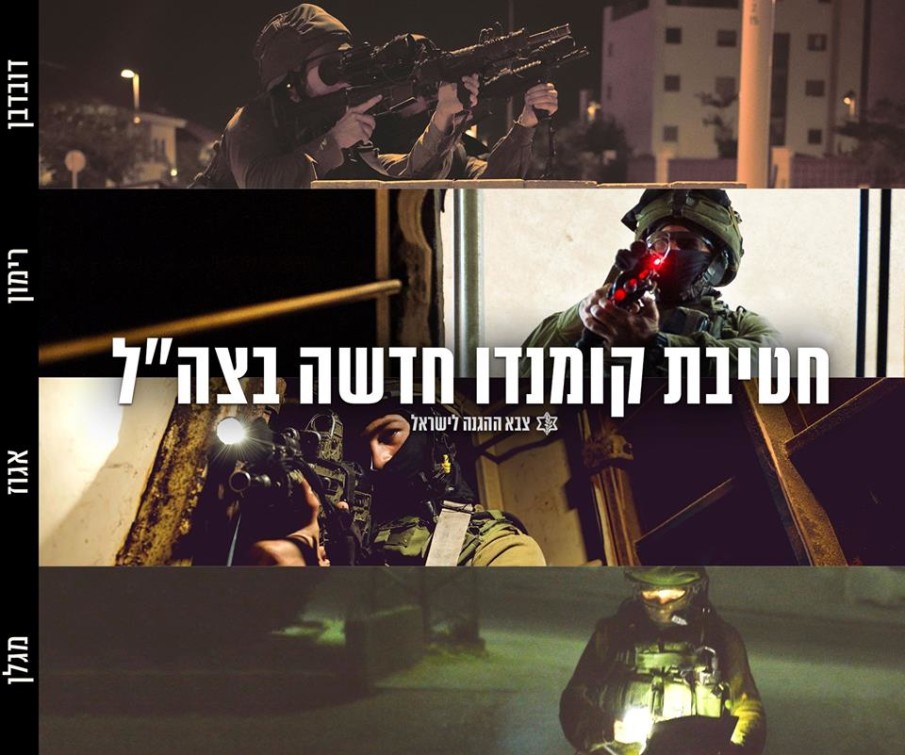
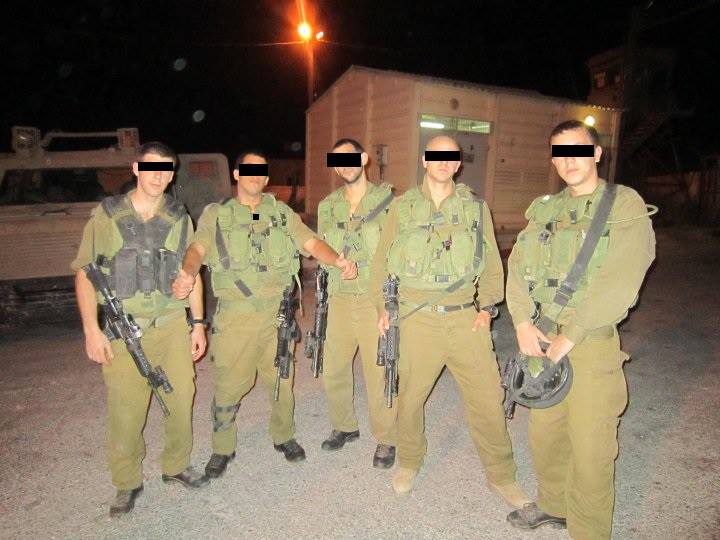
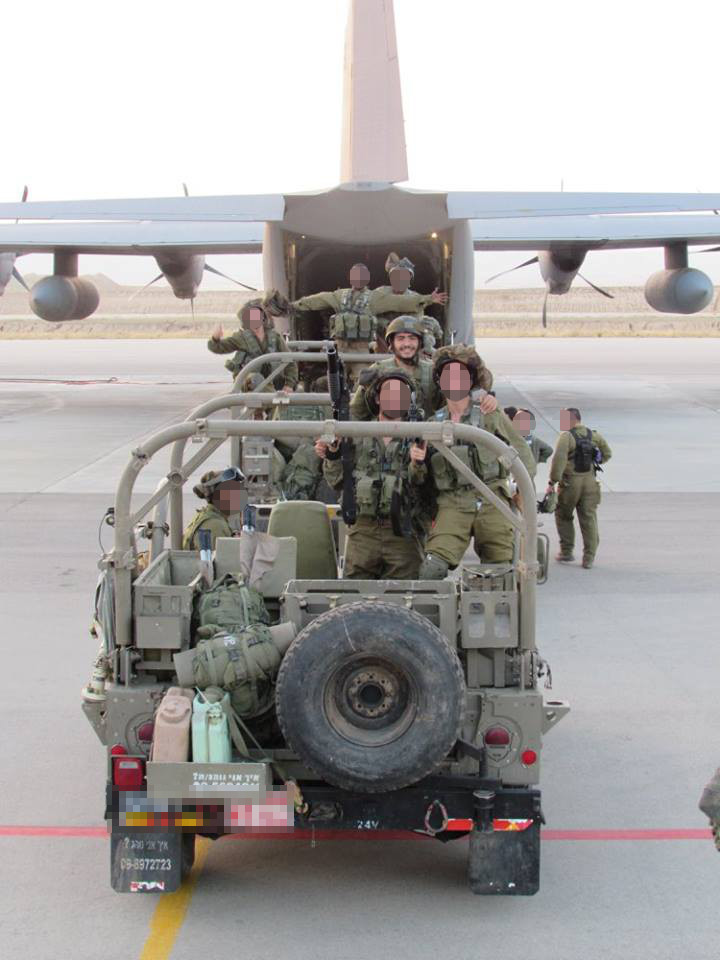
After the second Lebanon war, the IDF recognized that there was a capability missing, a missing link that was responsible for finding opportunities, and taking them. Just to be clear, the intelligence gathering was not the problem, nor the capabilities, but the connection between the working bees and the queen seemed a bit off.
The new reorganized command, in my eyes, is the little lost brother or a loose Israeli copy of SOCOM. Its task, as far as I remember, is not only to find opportunities and “golden moments,” but also to lead and initiate long range operations beyond the Israeli border in what the “small army,” what we in the IDF refereed to as the Strategical space/depth – a battle space of which most people know very little.
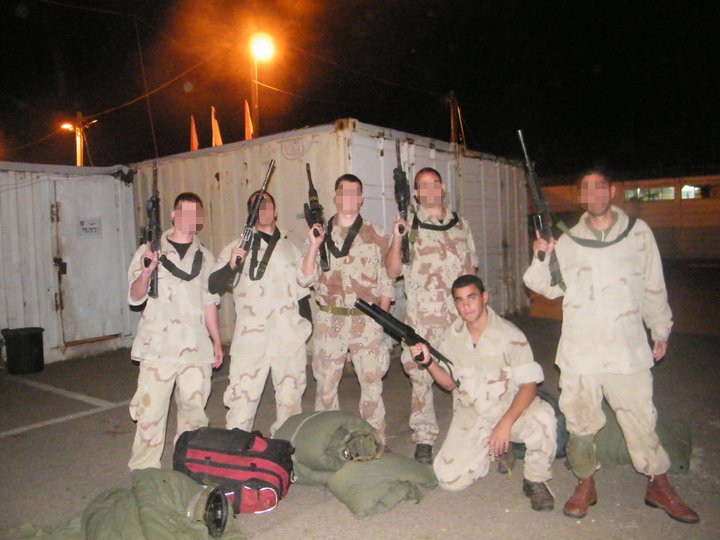
Ok, back to the brigade.
As I mentioned above the justice league – let’s look into the new Israeli Special Operations brigade capabilities as several news outlets described the following units in the most inaccurate ways.
Rimon
Rimon was reactivate back in 2010 by Yuav Galant, a former S13. Rimon purpose is fighting in desert environment and was originally founded by the increasing pressure of Yuav Galant regarding the need of a specific SF unit that will be capable to deal with long range issues in Sinai, South and Eastern parts of Israel. The unit capabilities consists of Camouflage and concealment capabilities which are relevant for Desert environment. Recon and Direct action are also among their capabilities. They gained a lot of success in Ogmar80 (IL – Egypt borders) in the recent years.
Egoz
Egoz is an old unit with a lot of field proven experience around guerrila warfare. Their experience was written by the blood of their fallen through the years. Egoz are experts for concealment in the Northern part of Israel and are masters in guerrilla warfare. A typical Egoz member has also a great capability in performing specific long range operations with heavy weights and mountain warfare.
The units works in different layers and has several companies and designated teams for specific acts. Egoz are the IDF answer to Hezbollah and have a unique, unclosed deal with Nassrallah as they killed his son back in 1997. Egozz are also experienced in fighting in tunnels and confined spaces.
Magllan (212)
Just like Egoz and few other SF units in the IDF, Magllan has great concealment capabilities. What is different in Magllan compared to other SF units are their mobility capabilities. Magllan uses several special vehicles and techniques for quiet, long range mobility. Very often when we worked together, Magllan reminded me of Colonel Sir Archibald David Stirling.
Aside from interesting mobility solutions that are unique to Magllan and the IDF itself, Magllan possesses the ability to gather sensitive information. While I think I should not specifically describe their designation, Magllan focus is on using advanced near-SCI FI technological solutions for tactical problems. They were originally designated as a special mobility AT unit in the early 90s.
Duvdevan – aka, the “cherry in the cream”
Growing up next to Duvdevan and Magllan in our selection and early parts of the training afterward, Duvdevan are made of special human material. They have several special companies in their arsenal, each with specific capabilities. Duvdevan members are experts in close-quarters combat (CQB), direct action and counter-terror. They also have great urban sniper teams and urban concealment capabilities. Though their main designation was covert ops and “snatch’n’grab,” Duvdevan developed and changed throughout the years.
The implications and the biggest question – Why ?
In 2004, my unit went through the same process, but in a small proportion. The airborne brigade has three SF units which are dated back to the ’50s. They were among the first SOF. Among several designations, we are capable of performing long-range missions behind enemy lines (I hate this term) and complicated DAs. Due to the same ideas and desire to create an efficient, money saving organization structure, the IDF made the decision to organize the three units into one small group.
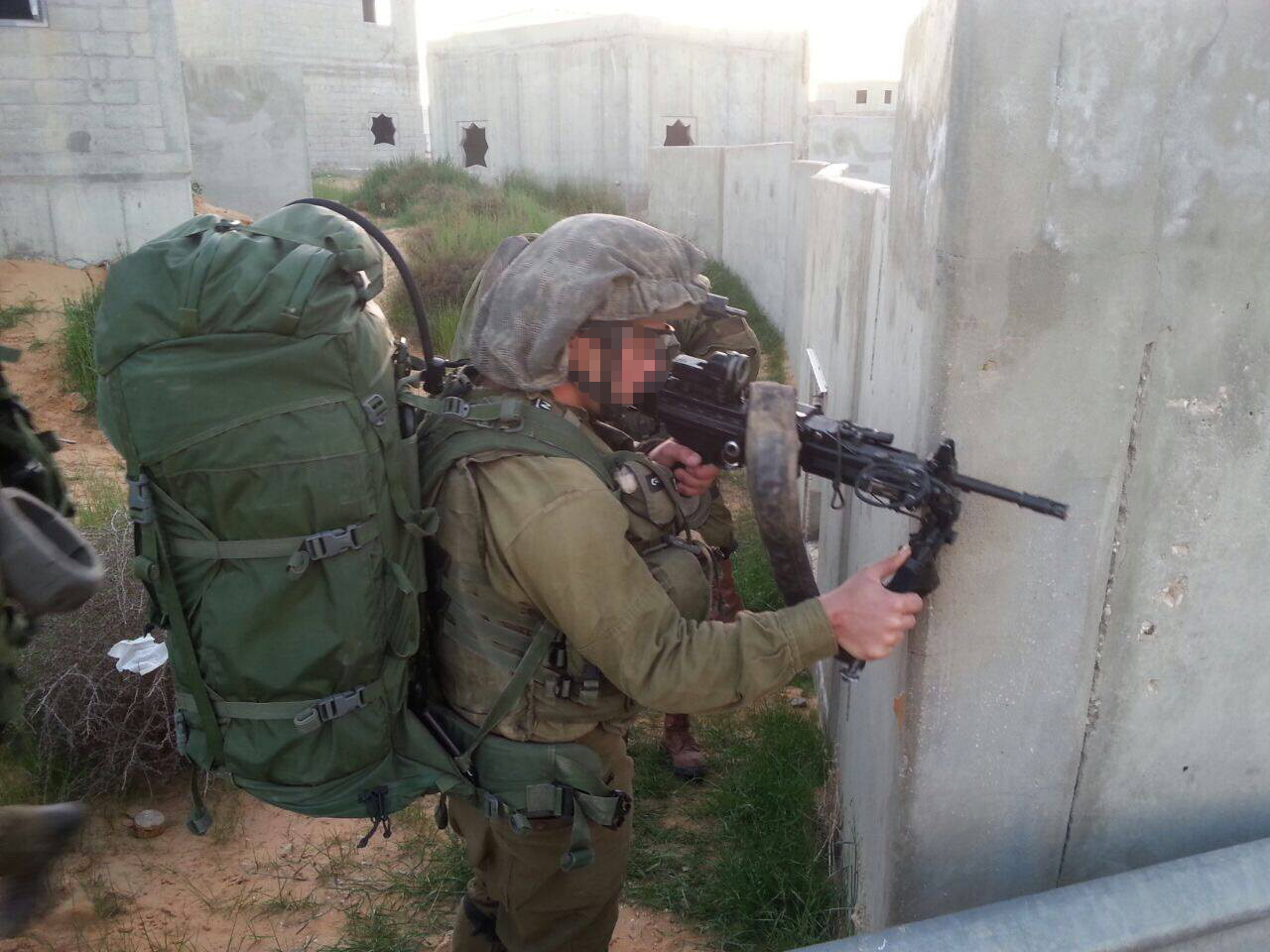
What happened, in reality? A small hiccup, some operational errors in the activation of specific capabilities, but increased efficiency and swift response to several ‘edge’ scenarios. But above all, this type of organizational reconstruction saved a lot of money and confusion for IDF…but also damaged our readiness.
I also believe that the whole media circus in Israel regarding this decision is, in fact, a measure meant to prepare the israeli public opinion regarding the ‘challenges’ we are about to face.
What’s next?
I am not an expert, but it seems like we are in for another game. The recent conflict in Gaza proved it, along with recent worldwide folding circumstances. The IDF will meet a painful reality in the next two years. As always, mistakes will be made and success will make up for it.
The Israeli Special Operations community is partially ready to deal with this situations and I am certain that the last round in Gaza only raised the readiness. In this case, the IDF is in need of tactical intelligence, rather than strategic intelligence. We need to find the right moment and to spot opportunities when the sun rises and to come up with a solution before the sunset.








COMMENTS