
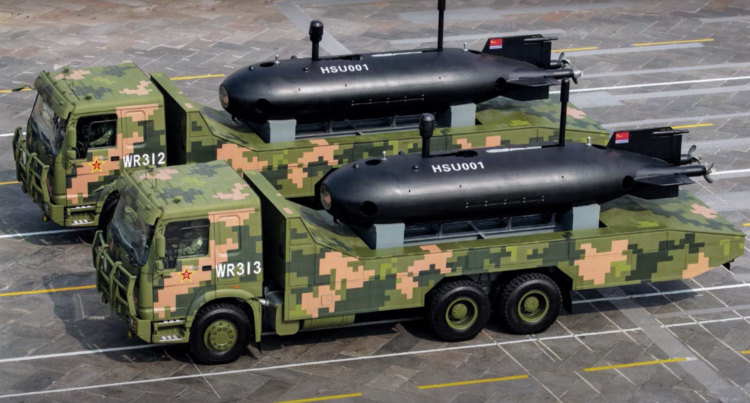
Depth Range: Earlier commercial underwater drones often had limitations regarding depth range, with many restricted to shallow depths. Modern drones can now delve into much deeper oceanic regions. They allow for enhanced exploration and data collection.
Maneuverability: Advanced propulsion systems and the integration of sophisticated AI-driven navigation tools have endowed today’s underwater drones with superior maneuverability. They can now navigate intricate underwater terrains and handle varying currents more precisely.
Data Collection: Modern underwater drones have advanced imaging and data capture capabilities. High-resolution cameras, improved sonar technology, and a suite of sensors enable these drones to glean detailed insights from the depths of the oceans.
China’s strategic investments in developing and deploying underwater drones showcase its commitment to harnessing these technological advancements.
Maritime Security and Military Implications
Arguably, one of the most significant motivations behind China’s push into the realm of underwater drones is the military advantage they offer.
These drones can operate discreetly, gathering intelligence, mapping adversaries’ submarine routes, or potentially laying mines in strategic waterways.
Tensions in regions like the South China Sea continue to escalate. That said, the presence and capabilities of underwater drones can act as a deterrent or a strategic advantage in potential conflicts.
Economic and Environmental Opportunities
Beyond the military, there’s an economic dimension to China’s underwater drone program.
The oceans are rich in untapped resources, from oil and gas reserves to rare minerals. With advanced underwater drones, China can efficiently locate and extract these resources, bolstering its economic position on the global stage.
One must recognize the environmental applications. Monitoring marine ecosystems, studying climate change effects on oceanic currents, or even cleaning up oceanic waste are all potential applications.
In a world increasingly focused on environmental conservation, having the technology to monitor and protect marine life is invaluable.
A Global Race: The International Response
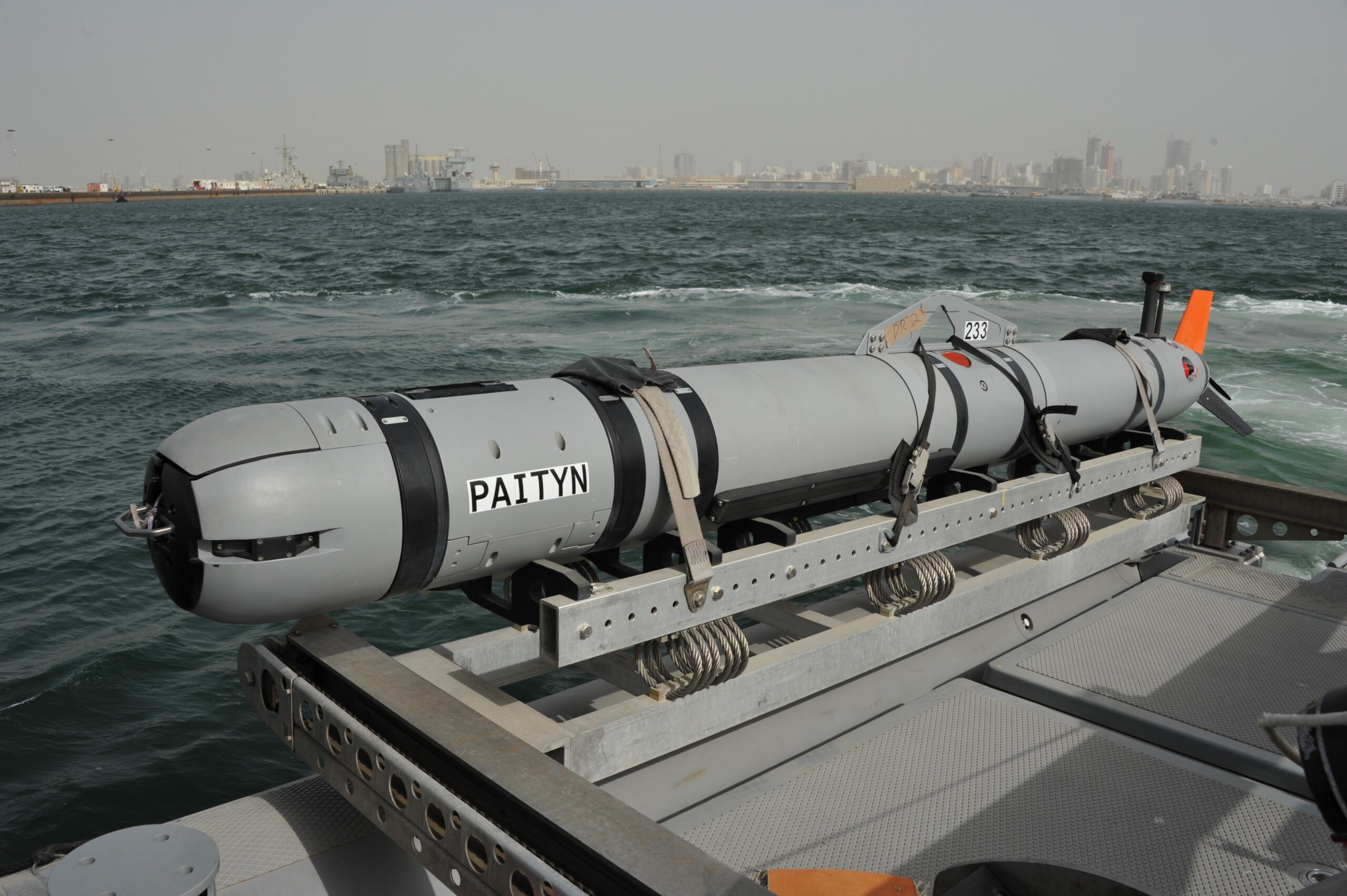
China’s immersion into underwater drone technology has undoubtedly turned heads on the international stage. Many nations are actively steering their investments and research into this promising arena, understanding its multifaceted potential.
United States: The U.S. Navy has been at the forefront of underwater drone development, with projects like the Orca XLUUV (Extra Large Unmanned Underwater Vehicle). This initiative underscores the U.S.’s strategic emphasis on bolstering its unmanned maritime capabilities.
Russia: Not to be left behind, Russia has showcased its commitment to developing underwater drones such as the ‘Klavesin-2R-PM’. This vehicle represents Russia’s ambition in the aquatic unmanned sector.
European Players: European nations, including the U.K. and France, have been actively exploring the underwater drone domain. The U.K.’s Royal Navy has conducted various trials and undertaken numerous projects. It emphasizes the importance they see in this technological field.
As these advancements unfold, the international landscape is witnessing what can be termed an “underwater drone arms race.” Nations are not merely racing for technological prowess but for the strategic, economic, and research advantages that mastery in this domain promises.
Navigating the Future: The Waters Ahead
With their diverse applications and strategic importance, underwater drones have become a pivotal tool in China’s quest for oceanic dominance.
In this new age of oceanic exploration and potential conflict, underwater drones will undoubtedly shape the narrative, with China striving to be at the helm.








COMMENTS